
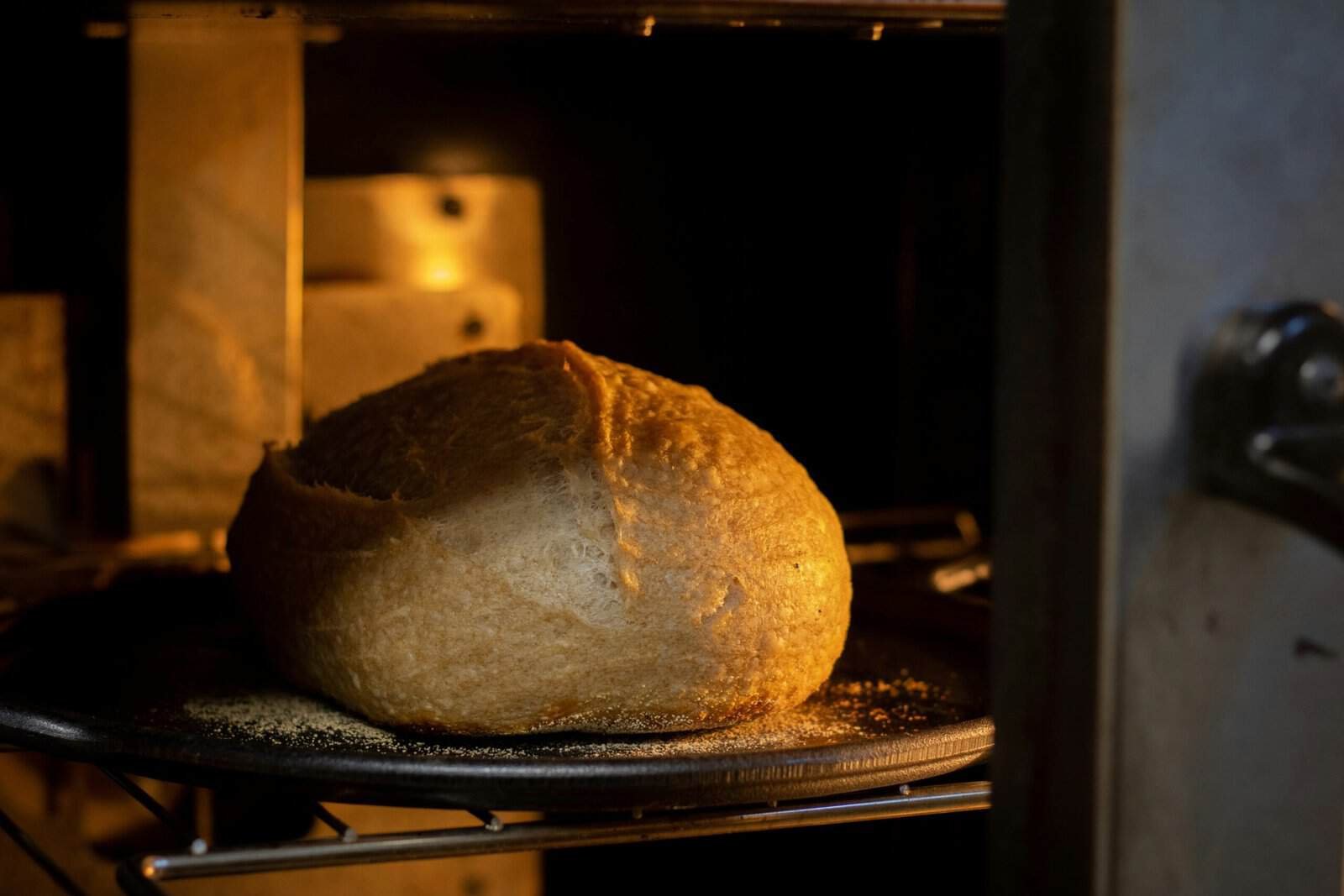
The choice between a bread machine and baking bread in a conventional oven is not about which makes better bread in some absolute sense. It is about what kind of baker you are and what you want from the process. A bread machine automates nearly everything and asks almost nothing of you. Oven baking hands you full control and asks for skill, attention, and time. Both make good bread. They just make it in completely different ways, and the right answer depends entirely on which trade suits your life.
Key Takeaways
- A bread machine automates mixing, rising, and baking with minimal effort.
- Oven baking offers full control and a higher ceiling for crust and crumb.
- The machine wins on convenience and consistency; the oven wins on craft.
- A dough-only machine cycle bridges the two approaches.
- The best choice depends on how much time and control you want.
What Each Method Actually Involves
The core difference is where the labor goes.
A bread machine takes your ingredients, mixes the dough, manages the rise, and bakes the loaf inside its own sealed chamber. The baker measures, loads, selects a cycle, and walks away. It is close to hands-off, and the results are consistent because the machine repeats the same process every time.
Oven baking puts every step in the baker’s hands. You mix, knead, manage proofing times by feel and temperature, shape the loaf, and control the bake. It is more work and more skill, and it rewards both with a level of control the machine cannot offer. The oven bakes what you shape, so the outcome reflects your technique.
That difference, automation versus control, drives everything else about the comparison.
Where the Bread Machine Wins
Convenience, consistency, and a low barrier to entry.
The machine’s biggest advantage is that it removes the labor and the learning curve. Someone who has never baked can produce a solid loaf on the first try, because the machine handles the parts that take skill. For a busy person, or someone who wants fresh bread without dedicating an afternoon, that is decisive.
Consistency is the other win. Because the machine repeats the same cycle, the loaf comes out similar every time, which is reassuring when you just want reliable bread rather than a project. A delay timer extends this further, letting you wake up to a finished loaf. The machine turns bread from a skill into a routine.
The trade is a ceiling: the machine produces a good, consistent loaf with a characteristic shape and a paddle hole in the bottom, not an artisan boule. For many people that ceiling is more than high enough. Whether a bread machine is worth it covers that side in depth.
Where Oven Baking Wins
Control, crust, and the ceiling on quality.
Oven baking’s advantage is that nothing is fixed. You control hydration, shaping, scoring, proofing time, and bake temperature, which means you can chase a blistered crust, an open crumb, and any shape you like. The best oven-baked bread reaches a level a machine simply cannot, because the machine trades that control for automation.
It is also more flexible across bread styles. Baguettes, boules, batards, focaccia, and enriched breads that need specific shaping all belong to the oven. A bread machine is built around a single loaf shape in a single pan; the oven is a blank slate.
The cost is effort and skill. Oven baking has a real learning curve, takes hands-on time, and produces inconsistent results until you develop technique. It rewards the baker who wants to be involved and frustrates the one who wants to walk away.
The Hybrid Path
The option that gets overlooked, and it resolves much of the debate.
Many bread machines include a dough-only cycle, which lets the machine mix the dough and handle the first rise, after which the baker shapes the loaf and bakes it in the oven. This combines the machine’s help with the tedious mixing and kneading and the oven’s superior crust and shaping.
For people torn between the two methods, this is often the real answer. It removes the most laborious part of oven baking while keeping the control that makes oven bread better. Someone can let the machine do the heavy lifting during the week and take the oven route when they want a proper artisan loaf on a weekend.
It also means owning a bread machine does not preclude oven baking. The two can coexist, with the machine as a labor-saving tool rather than a replacement for the oven entirely.
Cost, Space, and Practicality
The considerations that have nothing to do with the bread itself.
A bread machine is a dedicated appliance that costs money upfront and takes up storage or counter space. In a small kitchen, that footprint is a genuine consideration, since a large single-purpose machine competes for room. Oven baking needs no special appliance beyond what most kitchens already have, though it may call for a Dutch oven or baking stone to reach the best results.
Time is the other practical axis. The machine costs almost none of your active time but runs on its own long cycle. Oven baking costs more active time but can fit a flexible schedule, since you control every step. Neither is strictly faster; they spend your time differently, one in attention and one in waiting.
These practical factors often decide the choice as much as the bread does. Someone with no counter space and no free afternoons leans toward the machine; someone who enjoys the process and has the room leans toward the oven.
Which Should You Choose?
Matching the method to the baker.
Choose a bread machine if you value convenience and consistency, want fresh bread without a learning curve, or simply do not want bread to be a project. It is the right tool for reliable everyday loaves with minimal effort, and it lowers the barrier to homemade bread to almost nothing.
Choose oven baking if you want control, enjoy the craft, and care about reaching the highest quality and the widest range of bread styles. It asks more and gives more, and for someone who finds the process rewarding rather than tedious, that is the whole point.
And if you are unsure, remember the hybrid path exists: a machine with a dough cycle lets you have both, using automation when you want ease and the oven when you want craft. Bread machine vs stand mixer covers a related decision if a stand mixer is also on your list.
Recommended Reading
See choosing a bread machine, bread machine vs stand mixer, and whether a bread machine is worth it.
Bread Machine vs Oven Baking FAQ
Which makes better bread, a machine or an oven?
Oven baking has the higher ceiling for crust, crumb, and range of styles, because it gives you full control. A bread machine makes a good, consistent loaf with far less effort. Better depends on whether you value the peak result or the convenience and reliability.
Is a bread machine easier than oven baking?
Considerably. The machine handles mixing, rising, and baking, so a first-timer can make a solid loaf immediately. Oven baking has a real learning curve and asks for hands-on skill. If ease is the priority, the machine wins clearly.
Can a bread machine make artisan bread?
Not the full artisan result on its own, with an open crumb and blistered crust. It makes a good loaf in a fixed shape. To get closer, use the machine’s dough-only cycle to mix and first-rise, then shape and bake in your oven for the artisan finish.
What is the hybrid approach?
Using a machine’s dough-only setting to handle mixing and the first rise, then shaping and baking the loaf in a conventional oven. It combines the machine’s labor-saving with the oven’s superior crust and shaping, and it is often the best answer for people torn between the two.
Does oven baking cost less?
It needs no dedicated appliance beyond a standard oven, though a Dutch oven or baking stone helps reach the best results. A bread machine is an upfront purchase that also takes up space. On equipment alone the oven is cheaper; on effort the machine is cheaper.
Which is faster?
Neither is strictly faster; they spend time differently. A machine uses almost none of your active time but runs a long automatic cycle. Oven baking uses more hands-on time but fits a flexible schedule. It is a trade between attention and waiting.
Do I have to pick one?
No. A bread machine with a dough cycle lets you do both: automated everyday loaves and oven-baked artisan bread when you want it. Owning a machine does not rule out oven baking, and many bakers use both depending on the day.
Which is right for a beginner?
A bread machine, for most beginners. It removes the skill barrier and produces consistent results while you learn. Someone who specifically wants to learn the craft of bread may prefer starting with the oven, accepting the steeper curve for the deeper skill.
Keep reading: how to set up a home baking station, our picks for loaf pans bread baking, how to choose a bread machine.
