
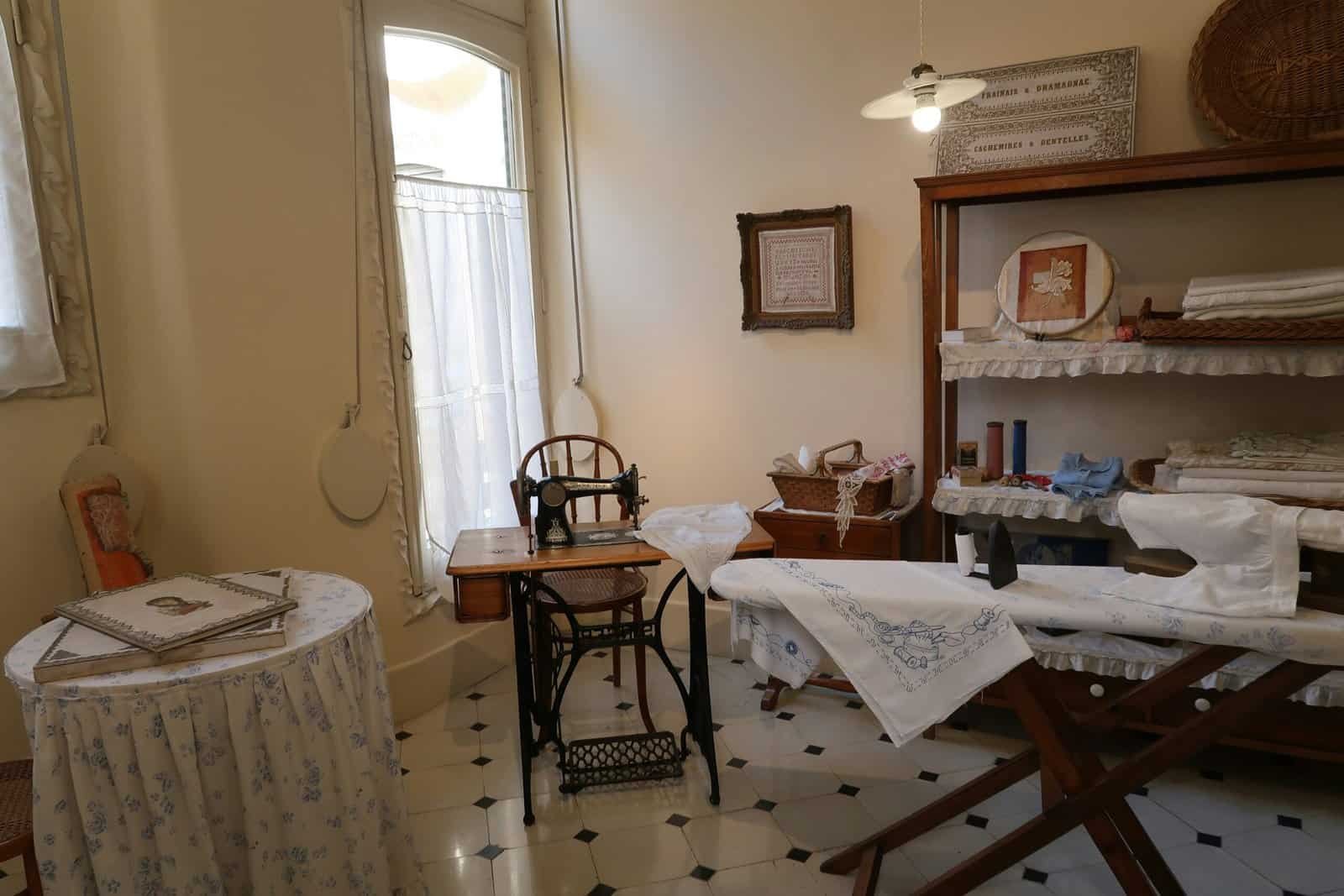
Nothing improves ironing faster than a frame that refuses to wobble and a cover that has not gone thin. That is the real measure of the best ironing boards and covers, and it explains why a modest frame with a fresh cover beats an expensive frame with a worn one. Size and storage settle everything after that.
Two failures account for most bad results. A frame that flexes under hand pressure makes a sharp crease impossible, since the surface moves along with the iron. A thin cover presses the mesh pattern into the garment rather than absorbing it.
Width is the other thing people underrate. A wide top lets a shirt body lie flat so a single pass does real work, while a narrow top means constant repositioning and fresh wrinkles behind the iron. Anyone still deciding whether to iron at all should read the comparison between a steamer and a traditional iron first.
For most homes, a full-size freestanding board with an adjustable height and a mesh top remains the right choice, because it handles shirts, pants, and bedding without compromise. Small apartments do better with a tabletop board or a wall-mounted fold-down unit, since both remove the storage problem entirely. Renters who iron occasionally can skip the frame altogether and use a thick ironing blanket on a sturdy surface.
Ironing Boards and Covers at a Glance
| Type | Footprint | Best Surface Trait | Suits |
|---|---|---|---|
| Full-Size Freestanding Boards | Large when open, slim when folded | Wide mesh top with steam passthrough | Households ironing shirts and bedding weekly |
| Tabletop Ironing Boards | Very small, fits a closet shelf | Compact padded surface with low profile | Apartments, dorms, and quick touch-ups |
| Wall-Mounted Fold-Down Boards | Zero floor space when closed | Fixed rigid surface with no leg wobble | Laundry closets and small dedicated rooms |
| Heat-Reflective Scorch-Resistant Covers | Replaces existing cover | Silver coating that bounces heat upward | Anyone with a sound frame and a tired cover |
| Thick Felt Pad and Cover Sets | Replaces cover and padding | Dense felt underlay for sharp creases | Dress shirts, uniforms, and sewing projects |
| Ironing Blankets and Mats | Rolls up small, no frame at all | Insulated backing over a flat surface | Renters, travelers, and tight closets |
Key Takeaways
- Board width drives speed, since a wide top holds a shirt body flat and cuts the number of passes.
- Mesh tops let steam pass through instead of pooling, so fabric dries as it flattens.
- Leg locking hardware separates a stable board from a wobbly one, and wobble ruins creases.
- A silver heat-reflective cover sends heat back up through the fabric, which effectively irons both sides at once.
- A thin worn cover prints the frame mesh into garments, so replacing the cover often beats replacing the board.
How We Picked These Ironing Boards and Covers
These picks come from comparing product categories rather than individual branded units. We assessed each type on four things: frame stability under real pressure, surface construction including padding and steam handling, storage footprint when not in use, and the kind of home each setup actually fits.
No hands-on use is claimed here. Instead, this guide explains how each design works and where it breaks down.
Craft knowledge drove the criteria. Ironing is a heat, moisture, and pressure problem, and the board underneath either supports that process or fights it. Category-level advice also ages better, since model numbers rotate while the physics does not.
1. Full-Size Freestanding Ironing Boards, Best Overall
Why It Stands Out
A full-size freestanding board gives the widest working surface, and width is the single biggest time saver in ironing. A shirt body lies almost flat across a wide top, so one long pass flattens a whole panel. On a narrow board, the same shirt hangs off both sides and wrinkles again.
Height adjustment is the second advantage. Setting the board near hip height lets the user press down with body weight instead of arm strength, which produces sharper creases. Most full-size frames adjust widely, so tall and short users both get a comfortable standing posture.
Worth Knowing
Stability depends almost entirely on the leg locking mechanism. Cheap frames use a loose pivot, and the board rocks with every pass, which smears creases instead of setting them. Look for legs that lock into notches and feel solid when pushed sideways.
Storage is the real tradeoff. Even folded, a full-size board stands tall and needs a closet, a wall hook, or a gap beside the washer. In a small apartment, that footprint becomes a daily annoyance.
This type suits anyone ironing shirts, pants, or bedding on a regular schedule with storage to spare, though anyone whose only space is under a bed should skip it. Also consider compact drying rack options that fold alongside a board. Best for: regular ironers with a closet or laundry room to spare.
2. Tabletop Ironing Boards, Best for Small Spaces
Why It Stands Out
A tabletop board solves the storage problem outright. It sits on a counter or dresser, folds to the size of a laptop bag, and slides onto a shelf afterward. For quick touch-ups on a collar or hem, setup takes seconds.
Short legs also make these boards remarkably steady. Because the frame sits low and wide on a solid surface, there is almost no room for wobble, so the board stays planted even under firm pressure. That stability often beats a tall budget freestanding frame.
Worth Knowing
The surface is small, and that limitation is real. A full dress shirt will not lie flat, so the work becomes a sequence of small sections: one sleeve, then the yoke, then each panel. Bedding and curtains are off the table.
Posture is the other catch. Counter height usually works well, but a low table forces a hunch, and long sessions then get uncomfortable.
This type suits apartment dwellers, dorm residents, and anyone ironing a few items rather than a full basket. Skip it if tablecloths or duvet covers come through often, since sectioning those takes too long. Best for: small homes and fast touch-ups on a counter.
3. Wall-Mounted and Over-the-Door Fold-Down Boards, Best Space Saving
Why It Stands Out
A wall-mounted fold-down board uses zero floor space when closed, which makes it the strongest option for a laundry closet or a narrow utility room. The board swings down from a bracket, locks level, and folds flat against the wall afterward.
Rigidity is the hidden benefit. Because one end anchors into studs or a door frame, there are no legs to flex and no pivots to loosen. The surface holds steady under pressure, which helps with stubborn cotton creases.
Worth Knowing
Installation is the real cost. A wall unit needs stud mounting and a permanent spot, so renters often need permission. Over-the-door versions avoid drilling, but they need a door that stays closed and a frame that takes the load.
Position also becomes fixed. The board sits at one height in one place, so households with very different user heights lose adjustability.
This type suits anyone with a dedicated laundry area and the freedom to mount hardware, but skip it if moving is likely soon or the wall space is already committed. Pair it with an organized laundry room layout, since that decides whether a fold-down board gets used. Best for: fixed laundry closets where floor space is the constraint.
4. Heat-Reflective Scorch-Resistant Covers, Best Cover Upgrade
Why It Stands Out
A silver coated cover reflects heat back up through the fabric, so the garment receives warmth from above and below at the same time. That reflection flattens wrinkles faster and cuts the passes needed on thick cotton.
Scorch resistance is the second benefit. These covers tolerate contact with a hot soleplate far better than plain cotton, so an iron parked briefly does not leave a brown mark.
Worth Knowing
A reflective cover cannot fix a bad frame. If the board wobbles or the padding has compressed flat, the cover improves heat behavior but still telegraphs mesh into the fabric.
Attachment method also varies in quality. Elasticated edges pull snug fast but loosen over months, while a drawstring tightens properly and holds tension. A loose cover slides and creates folds that press into the garment.
This type suits anyone whose frame is still solid but whose cover has gone thin, stained, or slick, though a rocking board needs repair first. Steam-heavy routines benefit further from a handheld clothing steamer for finishing touches. Best for: sound frames with a worn-out surface.
5. Thick Felt Pad and Cover Sets, Best for Crisp Results
Why It Stands Out
Padding thickness changes how sharp a crease comes out, and a dense felt underlay is what separates a professional-looking press from a soft one. Thin foam compresses unevenly and spreads pressure sideways, which rounds a crease. Felt resists compression, so pressure stays where the iron sits.
A pad and cover set also restores an old board completely. New felt fills hollows worn into the original padding, and a fresh cover gives a smooth even surface with no dips or ridges.
Worth Knowing
Thicker padding raises the working height slightly and softens the feel under the iron. Anyone used to a hard mesh top notices it at first, though most prefer it afterward.
Fit also needs attention. Felt pads come in standard sizes, and an undersized pad leaves bare edges where mesh still prints through. Measuring first avoids that.
This type suits dress shirt wearers, uniform wearers, and anyone sewing garments where pressed seams matter. Skip it if ironing is rare and casual, since the extra layer adds cost without much visible payoff on knit tees. Best for: sharp creases on dress shirts and sewing work.
6. Ironing Blankets and Mats, Best No-Board Option
Why It Stands Out
An ironing blanket removes the frame from the equation. It rolls up like a towel, stores in a drawer, and unrolls onto a table or bed. For anyone with no closet to spare, that compactness is the whole appeal.
The better versions use an insulated backing under a cotton top layer. That backing blocks heat and moisture from reaching the surface below, which makes ironing on a wooden table viable.
Worth Knowing
Scorch risk on an unprotected table is the main hazard. A thin mat on a varnished surface can let enough heat through to cloud the finish. Thickness and backing quality decide whether a surface stays safe.
Steam also has nowhere to go. A mesh board lets moisture escape, while a mat traps it between the fabric and the table, so garments come off slightly damp.
This type suits renters, travelers, and occasional ironers who value storage above speed, but skip it if ironing happens weekly. A mat pairs well with a well-planned closet system, since pressed clothes only stay pressed when they hang properly. Best for: tight spaces and occasional ironing with no frame to store.
How to Choose an Ironing Board
What size ironing board do you need?
A wide board handles dress shirts comfortably, while a narrow one forces repositioning on every panel. Width decides how much of a garment lies flat at once, so wider tops cut total passes. Length matters less, though for bedding the widest board that fits the storage space wins.
What height should an ironing board be set to?
Set the board so the surface sits at roughly hip height, which lets the user lean into the iron with body weight. Too low forces a hunched back, while too high removes downward force and weakens the press. Most frames adjust widely, so testing a few notches during the first session is worthwhile.
Does a mesh ironing board top matter?
Yes, because a mesh top lets steam pass straight through instead of pooling under the fabric. Trapped moisture leaves garments damp and can reintroduce wrinkles as they cool. A perforated metal top also dries out between sessions, so solid tops work but slow steam-heavy ironing noticeably.
How do you stop an ironing board from wobbling?
Check the leg locking mechanism first, since most wobble starts at a loose pivot or an unseated notch. Set all legs fully into their locked position and make sure the floor underneath is level. Tightening accessible hardware helps and worn feet often steady up with replacements, but persistent rocking means the frame is done.
Board Cover or Ironing Blanket
When a board cover is the better choice
A fresh cover is the better choice whenever a usable frame already exists. Replacing the cover costs far less than a new board, and it fixes mesh marks printing into garments. Add a felt pad underneath and the surface performs like new.
Covers also preserve the advantages of a real board. Steam still escapes through the mesh, height stays adjustable, and the wide surface keeps shirts flat. Therefore, a cover upgrade is usually the highest-value spend in the whole category.
When an ironing blanket makes more sense
A blanket makes more sense when storage, not performance, is the binding constraint. Someone in a studio with one shallow closet gains more from a mat in a drawer than a board leaning against a wall.
Travel is the other clear case. A mat packs flat into a suitcase and turns a hotel desk into a workable surface. Still, the tradeoff stands: less speed, trapped steam, and a surface to protect.
Common Ironing Board Mistakes to Avoid
Ironing on a worn cover
A thin worn cover is the fastest route to disappointing results. Once the padding compresses, the mesh underneath presses into the fabric and leaves faint grid marks. Those marks show up most on dark cotton.
The fix is cheap and immediate. A new cover with a felt pad underneath restores a smooth surface, and the difference appears on the very first shirt.
Using a mat on an unprotected table
Putting a thin mat directly on a finished wood table invites heat damage. Heat can pass through a lightweight pad and cloud a varnish, and that damage does not come out. A thick insulated mat, or a folded towel underneath, removes the risk.
Likewise, glass tables deserve caution, because rapid localized heat on glass is a real hazard.
Ironing at the wrong board height
Working at the wrong height wastes effort and weakens creases. A board set too low pushes the user into a stoop, so the press comes from the arms alone. A board set too high removes downward force entirely.
Adjusting takes seconds, so it is worth setting properly once rather than tolerating a bad height.
Ironing Board and Cover FAQ
What are the best ironing boards and covers for a small apartment?
For a small apartment, a tabletop board or a roll-up ironing blanket works best, since both store in a drawer or on a shelf. A wall-mounted fold-down board is even better where mounting hardware is allowed, because it uses no floor space at all. Pair any of them with a heat-reflective cover for faster results.
How often should an ironing board cover be replaced?
Replace the cover once it looks stained, feels thin, or starts showing the mesh pattern through to garments. Heavy weekly use wears a cover down within a year or two, while occasional ironing stretches that out considerably. Scorch marks and slick shiny patches are clear signals, since both mean the protective surface has broken down.
Why does a silver ironing board cover work better?
A silver coating reflects heat back up through the fabric rather than absorbing it into the board. As a result, the garment gets warmth from both sides at once, which flattens wrinkles in fewer passes. These covers also resist scorching from direct soleplate contact, so parking a hot iron briefly does not mark the surface.
Can an ironing board cover go in the wash?
Many covers can be washed, though checking the care label first is essential because heat-reflective coatings often cannot survive a hot wash or a dryer. Cold water, gentle cycle, and air drying protect the coating. Stubborn starch buildup sometimes rinses out, but a cover that stays stiff or discolored after washing is usually ready for replacement.
Is a felt pad needed under the cover?
A felt pad is not required, but it changes results noticeably on dress shirts and pressed seams. Dense felt resists compression, so pressure stays concentrated where the iron sits and creases come out sharper, and it fills hollows worn into old padding. For casual knit shirts, the improvement is much less visible.
What is the difference between an ironing blanket and a pressing mat?
The terms overlap heavily, and most products use them interchangeably. Generally, an ironing blanket is larger and softer, suited to laying over a table or bed for full garments, while a pressing mat runs smaller, firmer, and aimed at quilting or detail work. Both rely on an insulated backing to protect the surface underneath.
Is a wide ironing board worth the extra storage space?
For anyone ironing shirts weekly, a wide board is worth it, because a shirt panel lies flat and one pass does the work of three. Narrow boards force constant repositioning, which reintroduces wrinkles behind the iron. However, if ironing is rare or the closet is already full, the storage cost outweighs the speed gain.
Worth reading next: keeping pressed clothes looking pressed depends on the rest of the laundry chain, so it helps to sort smart with a compact laundry sorter, handle spots before they set using the right stain remover for the fabric, and keep the floor clear with a hamper that fits the room. Storage planning matters too, both how much closet space a wardrobe really needs and where shoes end up, since a crowded closet is where fresh creases go to die.
