
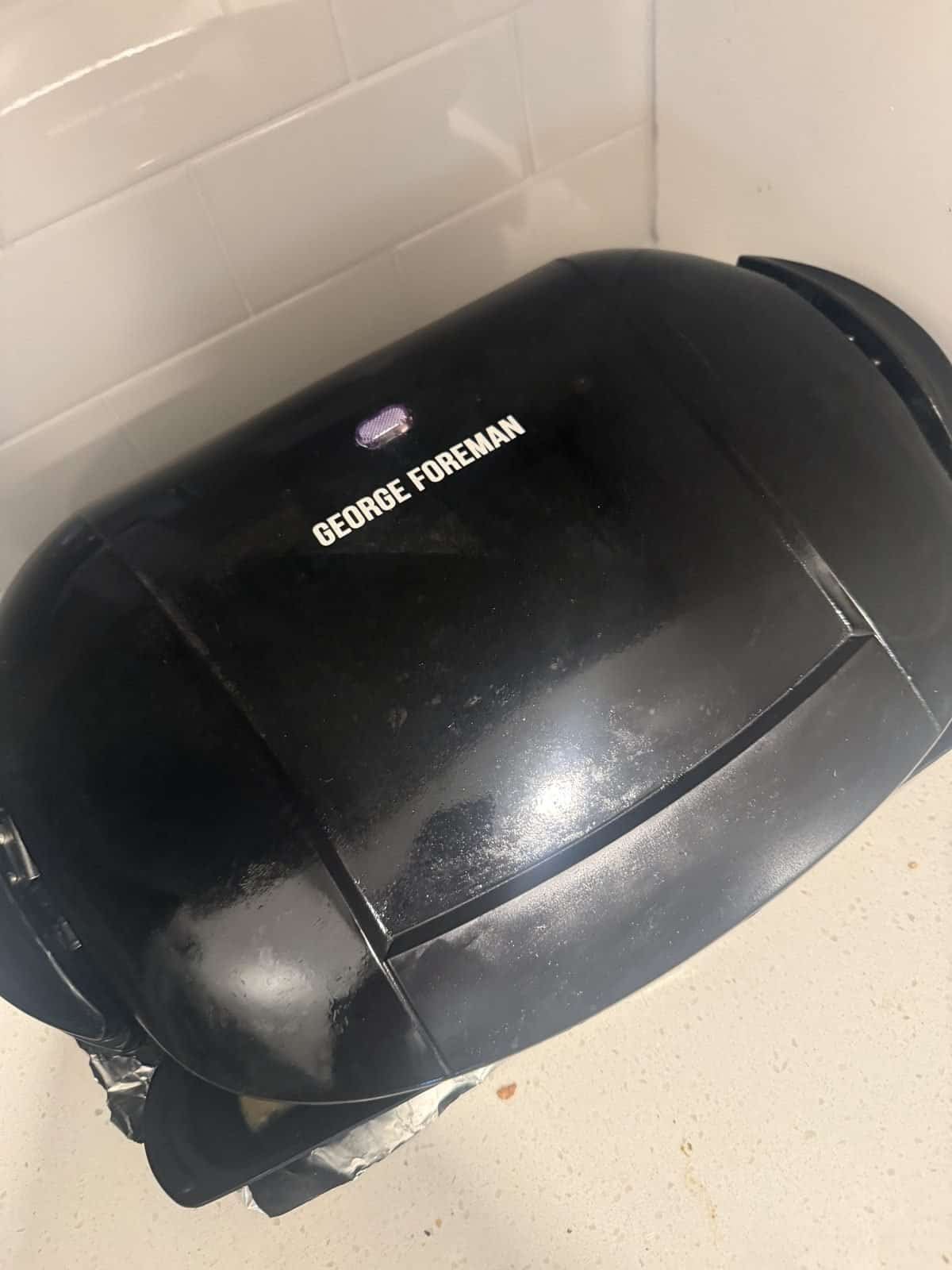
An indoor grill handles burgers, chicken, steak, paninis, quesadillas, and firmer vegetables like asparagus well, with contact grills cooking both sides at once for speed, while very small or delicate items and large batches of vegetables are where a compact grill struggles. Knowing what to cook on an indoor grill helps you get the most from it. Here are the foods that work, drawn from what I actually make, and for picking a grill see how to choose an indoor grill.
Quick Answer
Indoor grills shine with burgers, chicken breasts and thighs, steak, paninis and pressed sandwiches, quesadillas, and firmer vegetables like asparagus. Contact grills cook both sides at once, so most items are fast. The main limits are delicate foods that fall apart and large batches of vegetables on a small surface. Stick to grill-friendly foods and it earns its counter space.
Key Takeaways
- Great for burgers, chicken, and steak with real grill marks.
- Excellent for paninis, pressed sandwiches, and quesadillas.
- Firmer vegetables like asparagus work well.
- Delicate foods and big veg batches are harder on small grills.
- Contact grills cook both sides at once for speed.
Meats: Burgers, Chicken, and Steak
Meats are where an indoor grill excels, and they make up most of what I cook on mine. Burgers cook quickly and evenly, and a contact grill sears both sides at once so they are done fast. Chicken, whether breasts or thighs, grills up nicely with good marks and drained fat. Steak works well too, giving you a seared crust and grill lines without firing up an outdoor grill. The even heating and ridged plates deliver proper grill marks on all of these. For everyday grilled proteins on a weeknight, these are the core foods an indoor grill was made for.
Paninis, Sandwiches, and Quesadillas
A contact grill doubles beautifully as a press, which opens up a whole category. Paninis and pressed sandwiches come out crisp and warm with the lid weighing them down, and quesadillas are a favorite of mine, cooking evenly with the tortilla crisping and the filling melting through. The hinged design that makes a contact grill fast for meat also makes it a natural sandwich press. If you enjoy pressed, melty sandwiches and quesadillas, this is one of the most useful and underrated things an indoor grill does, and it happens without any extra equipment.
Vegetables
Vegetables work, with one honest caveat about size. Firmer vegetables like asparagus grill nicely and pick up good flavor and marks. The limitation on a compact grill is space: you can do a modest amount, but large batches of vegetables are harder simply because the cooking surface is small, which is the main thing mine struggles with. Sturdier vegetables that sit flat on the plates do best, while very small pieces can fall into the ridges. If vegetables are a big part of your cooking, factor in the grill size, but for a side of asparagus or similar, an indoor grill handles it well.
What Works Less Well
A few things are worth steering away from. Very delicate foods, like flaky fish fillets or thin, fragile items, can stick or fall apart on grill plates and are often better in a pan. Tiny pieces slip into the ridges. Large batches of anything overwhelm a compact grill, so cooking for a crowd means working in rounds. And foods needing long, low, slow cooking are not what an indoor grill is for; it is built for quick, direct-heat cooking. Knowing these limits lets you use the grill for what it does best rather than fighting it on tasks it was never designed for.
Tips for the Best Results
A few habits improve everything you grill. Preheat the grill so food sears on contact and picks up marks. Do not overcrowd the plates, since crowding steams food instead of grilling it and increases splatter. Let the grease drain into the tray rather than pooling, which is one of the perks of grilling indoors. Pat meats dry before grilling for a better sear. And use wood or silicone utensils to protect the plates. These small steps are the difference between food that genuinely tastes grilled and food that just cooked on a warm surface, and they cost no extra effort once they are habit.
My Go-To Cooks
In my own kitchen, the indoor grill sees the most action in summer, and my regular rotation is burgers, chicken, steak, quesadillas, and paninis, with asparagus when I want a grilled vegetable. It cooks evenly, leaves good grill marks, and drains the fat, which is exactly what I want from quick grilled meals. The size keeps me from doing huge vegetable batches, but for everyday proteins and pressed sandwiches it is genuinely versatile. That combination of grilled mains and easy paninis is what keeps mine in steady use rather than tucked away in a cabinet.
Getting the Most From a Small Grill
If your indoor grill is compact, a little strategy widens what you can make. Cook in quick rounds rather than overcrowding, since a crowded surface steams food instead of searing it. Cut vegetables into flatter, sturdier pieces so they sit on the plates rather than falling into the ridges. Preheat fully so food marks on contact. And lean into what the grill does best, proteins and pressed sandwiches, while leaving big-batch or delicate jobs to other cookware, as our guide on whether indoor grills are worth it discusses. Worked this way, even a small grill covers a lot of everyday meals without frustration, which is what keeps it in regular rotation.
You can read how steak actually comes out on one before deciding.
Recommended Reading
- choosing an indoor grill, the full overview.
- whether indoor grills are worth it, the value case.
- cleaning an indoor grill, the easy routine.
- indoor grill versus air fryer, the other appliance.
- the best indoor grills, for picks.
What to Cook on an Indoor Grill FAQ
What foods are best on an indoor grill?
Burgers, chicken, steak, paninis, pressed sandwiches, quesadillas, and firmer vegetables like asparagus all work well. Contact grills cook both sides at once for speed and leave grill marks. These grill-friendly foods are what indoor grills handle best on a weeknight.
Can you cook vegetables on an indoor grill?
Yes, firmer vegetables like asparagus grill nicely. The main limitation on a compact grill is batch size, since the surface is small, and very small pieces can fall into the ridges. Sturdier vegetables that sit flat on the plates do best.
Can you make sandwiches on an indoor grill?
Definitely. A contact grill works as a press, making crisp paninis, pressed sandwiches, and quesadillas with the lid weighing them down. This is one of the most useful things an indoor grill does, cooking both sides and melting the filling without extra equipment.
Can you cook steak on an indoor grill?
Yes. Steak grills well, developing a seared crust and grill marks without an outdoor grill. A contact grill sears both sides at once. Pat the steak dry and preheat the grill for the best sear, and let the fat drain into the grease tray.
What should you not cook on an indoor grill?
Avoid very delicate foods like flaky fish that fall apart, tiny pieces that slip into the ridges, and large batches that overwhelm a small surface. Long, slow-cooked dishes are not suited to it either. Indoor grills are built for quick, direct-heat cooking.
Do you need oil on an indoor grill?
Usually just a light amount, since the plates are nonstick and fat drains off. A light brush of oil helps with leaner foods and vegetables, but avoid aerosol cooking spray, which can damage nonstick plates over time. A little oil or a marinade is generally enough.
Can you cook frozen food on an indoor grill?
It is better to thaw first for even cooking and good grill marks. Thin frozen items like burgers can work but may cook unevenly and release more moisture, steaming rather than searing. For the best grilled result, thaw food before grilling whenever possible.
Do you need to flip food on a contact grill?
No, that is the appeal. A contact grill cooks both the top and bottom at once, so most foods need no flipping and cook faster. On an open grill you flip as usual. The both-sides cooking of a contact grill is a big part of its convenience.
More in this guide: how to choose the right stand mixer.
