
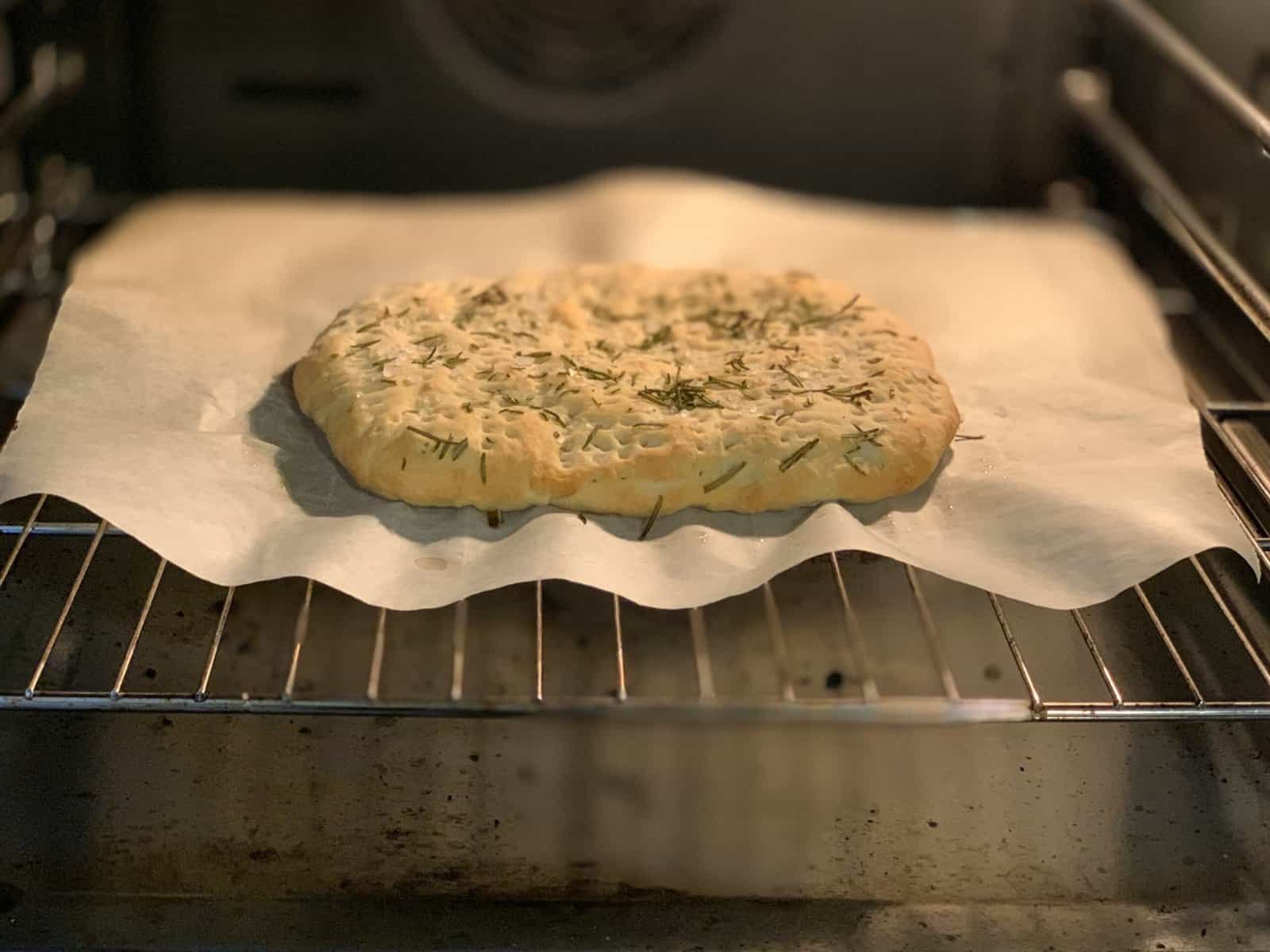
You followed the recipe, mixed the dough, set it aside to rise, came back a couple of hours later, and the dough looked almost exactly like it did when you left. Bread that won’t rise is a common baking frustration, and it almost always traces to one of a handful of causes, most of which are easy to fix once you identify them. For recommendations, see our best loaf pans bread baking guide.
Yeast is alive. That’s the underlying truth that explains most rising problems. Living organisms need the right food, the right temperature, and the right environment to grow, and they die or go dormant when conditions are wrong. When bread doesn’t rise, almost always something is preventing the yeast from doing its job.
This guide walks through the most common causes of bread that won’t rise, how to diagnose which one is affecting your dough, and the fixes that actually work.
Key Takeaways
- Dead or expired yeast is the most common cause of bread that won’t rise; test the yeast before mixing if you’re not sure.
- Water that’s too hot kills yeast; water that’s too cold leaves it dormant. The right temperature is lukewarm (warm to the touch but not hot)
- Salt directly contacting yeast also kills it; mix salt with flour before adding yeast or water.
- Cold kitchens slow rising substantially; a warm spot (75-80°F range, like inside a turned-off oven with the light on) usually solves the slow-rise problem.s
How Yeast Works (Briefly)
Yeast is a single-celled fungus that eats sugar and produces carbon dioxide and alcohol as byproducts. The carbon dioxide gets trapped in the gluten network of bread dough, causing it to rise. The alcohol mostly evaporates during baking, contributing flavor in the process.
For yeast to do this work, it needs four things: water (to activate it), food (sugar or starches from the flour), warmth (to grow), and time (it doesn’t work instantly). Take away or compromise any of these, and the rise suffers.
Cause 1: Dead Yeast
The most common cause of bread that won’t rise is. Yeast has a shelf life, and even unopened packages eventually lose viability. Once opened, yeast lasts longer in the fridge or freezer than at room temperature, but it still declines over time.
The fix: Always test yeast before committing to a batch of bread, especially if the yeast is more than a few months old or has been opened.
Testing yeast is simple: dissolve a teaspoon of sugar in lukewarm water (around body temperature, 100-110°F), sprinkle the yeast over the surface, and wait about ten minutes. Active yeast will form a foamy, bubbly layer on top of the water. Dead yeast will just sink and sit there.
If the yeast doesn’t foam, get a new package and try again. Don’t try to bake with dead yeast, hoping for the best; the bread won’t rise no matter what else you do.
Cause 2: Water Too Hot
Yeast is alive, and like other living things, it has a temperature range where it thrives and a temperature range where it dies. Water above roughly 120°F starts killing yeast. Water above 140°F kills it quickly.
Many home bakers test water temperature by feel, and “warm” feels different to different people. What feels comfortably warm to one person can feel hot to another, and the difference matters for yeast viability.
The fix: Use water that’s lukewarm to the touch. If you have a thermometer, aim for around 100-110°F. This is warm enough to activate yeast but well below the temperature that damages it.
A quick rule: if the water feels warm but not hot when you stick a clean finger in it, it’s probably fine. If you’d hesitate to put your hand in it, it’s too hot.
Cause 3: Water Too Cold
The opposite problem. Cold water doesn’t kill yeast, but it doesn’t activate it either. Yeast in cold water sits dormant. The dough won’t rise at any reasonable speed, and you might decide the yeast is dead when really it’s just cold.
The fix: Same as above. Use lukewarm water. If the recipe says “warm water” and you used water straight from the cold tap, that’s the issue.
If you’ve already mixed cold water into the dough, you can sometimes recover by putting the dough in a warm spot and waiting longer. The yeast will eventually wake up, but it takes longer than starting with the right temperature.
Cause 4: Salt Killed the Yeast
Salt is essential for bread flavor and gluten development, but direct contact between salt and yeast (especially before the yeast has been hydrated and dispersed) kills the yeast. The salt draws moisture out of the yeast cells.
The fix: Mix salt with flour before adding it to the yeast mixture. This dilutes the salt enough that it doesn’t damage the yeast, while still incorporating it evenly into the dough.
If a recipe calls for adding salt directly to yeast and water (some do), follow it as written, but mix quickly. The longer the salt sits in direct contact with yeast, the more damage it does.
Cause 5: Kitchen Too Cold
Yeast works best in warm conditions, generally somewhere around 75-80°F. Most home kitchens are cooler than this, especially in winter. Cold kitchens don’t kill yeast, but they slow rising substantially. What a recipe calls “one hour rise” can take three hours in a 65°F kitchen.
The fix: Find a warm spot for the dough to rise. Several options:
- Inside a turned-off oven with just the interior light on (the bulb provides gentle warmth)
- On top of the fridge (warmth rises from the motor)
- In a closed microwave with a cup of hot water (the steam adds warmth and humidity)
- In a proofing box, if you have one
- Near (not on) a radiator or heating vent
Don’t use direct heat (the oven turned on low, a heating pad on high) because too much warmth will kill the yeast, just like too-hot water. Gentle, steady warmth is what you want.
Cause 6: Not Enough Time
Yeast doesn’t work on a precise schedule. Recipe times are estimates based on typical conditions. Cooler kitchens, less active yeast, or denser dough all extend rising time.
The fix: Look at the dough, not the clock. The dough is properly risen when it’s roughly doubled in size, and a finger poked into it leaves an indentation that springs back slowly. If the dough hasn’t doubled, it needs more time.
If you’re consistently finding that rises take longer than the recipe claims, your kitchen is probably cooler than the recipe assumed. Either move the dough somewhere warmer or just plan for longer rises.
Cause 7: Too Much Salt or Sugar
Both salt and sugar at high concentrations draw water out of yeast cells (osmotic pressure) and slow or stop yeast activity. Most recipes are balanced to avoid this, but if you’ve added extra of either ingredient or substituted in a way that increases these, the yeast may be struggling.
The fix: Stick to recipe ratios for salt and sugar. If you want a sweeter or saltier bread, find a recipe specifically formulated for it (sweet doughs like brioche use more yeast to compensate for the slowing effect of sugar).
Cause 8: Bad Flour
Flour with low protein content or flour that’s been stored badly (too long, in warm or humid conditions) can fail to develop the gluten network needed to trap gas. The yeast might be working fine; the bread just doesn’t hold its shape.
The fix: Use bread flour rather than all-purpose flour for breads that need a strong rise (rustic loaves, pizza dough, baguettes). Bread flour has higher protein content, which means more gluten development and better gas retention.
If you’ve been using the same bag of flour for many months, especially if it was open in a humid environment, the flour itself may have lost some of its baking quality. Replace it and try again.
Cause 9: Over-Mixed or Under-Mixed Dough
Gluten development matters. Under-mixed dough doesn’t have enough gluten structure to hold gas; over-mixed dough has gluten that’s too tight to expand.
The fix: Most bread recipes ask for mixing until the dough is smooth and elastic, but not tough. Kneading by hand or with a stand mixer until the dough passes the “windowpane test” (you can stretch a piece thin enough to see light through it without tearing) is a good benchmark for adequately developed dough.
For high-hydration doughs or no-knead recipes, less mixing is fine because the long resting period does the gluten development for you. Follow the recipe’s mixing guidance.
Cause 10: The Bread Machine Wasn’t Working Right
For those using bread makers, the rise can fail for any of the reasons above, plus a few specific to the machine: the heating element might not be working, the kneading paddle might not be engaging, or the program selected might be wrong for the recipe.
The fix: Check that the machine is heating during the rise cycle (you can usually feel warmth through the lid). Make sure the kneading paddle is in place and turning. Verify you’ve selected the right program (white bread vs whole wheat vs rapid bake).
Diagnosing Your Specific Problem
If you’re not sure which cause is hitting your dough, here’s how to narrow it down.
Dough that doesn’t rise at all in a few hours almost certainly has a dead yeast or wrong-temperature problem. Test the yeast and check the water temperature next time.
Dough that rises slowly but does eventually rise probably has a cold kitchen or sluggish yeast. Move to a warmer spot or use fresher yeast.
Dough that rises but collapses in the oven probably has a structure problem (under-mixed, low-protein flour, or over-risen and lost structure). This isn’t really a rising failure; it’s a separate problem.
Dough that rises on the counter but fails in the bread machine points to a machine issue. Check the heating element and paddle.
Dough that rises one day and not another with the same recipe usually means the yeast is dying gradually. Replace the yeast.
📑 Recommended Read: Once your dough is rising reliably, the right loaf pan or Dutch oven keeps the structure intact through the final bake. Check out our tested breakdown of the bakeware sets for home bakers to find durable, even-heating sets that match your most-used recipes.
Common Mistakes and How to Avoid Them
Skipping the yeast test. A two-minute test before you mix the rest of the recipe saves an entire batch when the yeast is dead.
Guessing at water temperature. Get a thermometer or learn the lukewarm-feel benchmark. Hot tap water is too hot for most household water heaters.
Adding salt directly to yeast. Mix the salt into the flour first.
Forcing rises in cold kitchens. Find a warm spot. Don’t blame the yeast for the kitchen being 62°F.
Using all-purpose flour for breads that need bread flour. The protein difference matters for high-rising recipes.
Trusting the clock over the dough. Look at the dough. If it hasn’t doubled, it isn’t done rising regardless of what the timer says.
Frequently Asked Questions
How can I tell if my yeast is still good? Test it. Sprinkle the yeast over lukewarm sugar water and wait about ten minutes. Active yeast foams up; dead yeast doesn’t.
Can I substitute baking powder for yeast? Not for traditional bread. Baking powder works through a chemical reaction that doesn’t produce the same texture or flavor as yeast fermentation. You can use baking powder in “quick breads” (banana bread, biscuits), but not for yeast breads. For more on chemical leavening, see our guide to baking soda vs baking powder.
Why does my bread rise the first time but not the second? Usually because the first rise depleted the yeast’s food supply, or because the dough was punched down too aggressively and lost its structure. Some recipes also call for the second rise to be much shorter than the first, so check the recipe.
Can I save dough that hasn’t risen? Sometimes. If the yeast is dead, no. If the kitchen is cold, you can move the dough somewhere warmer and wait. If you add cold water, the dough will eventually warm up and start working.
What temperature is “lukewarm” for water? Around body temperature, 100-110°F. If you have a thermometer, use it. If not, it should feel warm to the touch but not hot (like a comfortable bath).
Does altitude affect bread rising? Yes. At higher altitudes, dough rises faster because there’s less atmospheric pressure to resist the carbon dioxide expansion. Recipes formulated at sea level often need adjustments above about 3,000 feet (less yeast, less rising time, sometimes more salt to slow the yeast).
Recommended Reading
See also our guides to bread knives, and why bread goes stale.
Related Reading
Explore more: bread machine, bread knives, bread machine vs stand mixer, why bread goes stale, and loaf pans bread baking.
Cold kitchens slow yeast without killing it. Getting dough to rise in a cold room covers water temperature and building a warm spot.
