
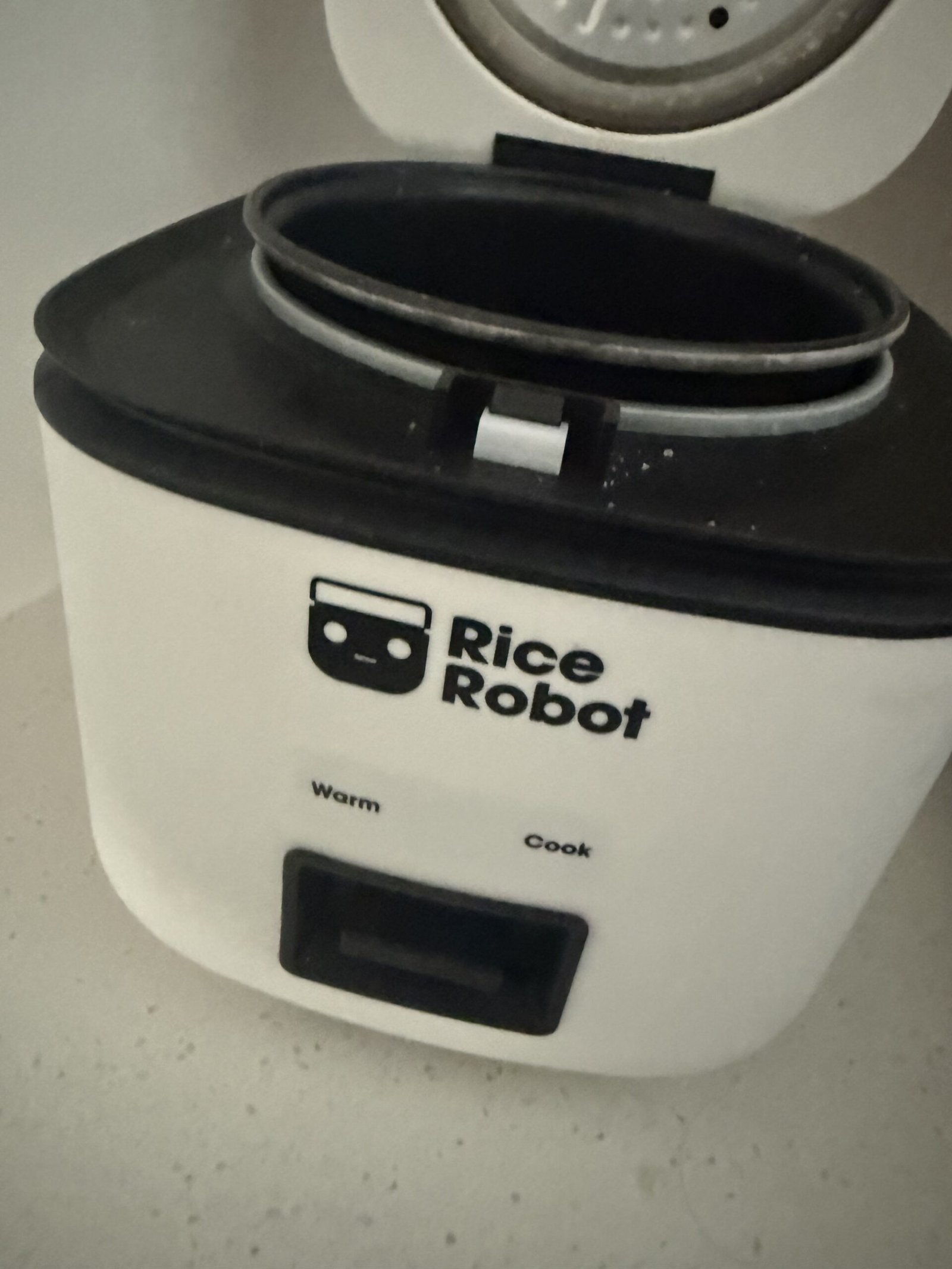
Rice sticks to the bottom because the heating element is directly underneath, and anything that concentrates heat or sugar at that surface makes it worse. Butter, salt, oil, and low water levels are the usual causes rather than a fault with the cooker.
Mine sticks. I add butter and salt before it cooks, and I am fairly confident that is why, because the layer at the bottom is exactly where those settle. I scrape it out with a spoon and it comes away without much trouble, and it happens most times I cook.
Quick Answer
Fats and salt added before cooking sit at the bottom where the heat is, and they cook onto the pot. Too little water, an aging nonstick coating, and leaving the warm function on for hours all add to it. Adding butter after cooking rather than before removes most of the problem.
What Causes Sticking
| Cause | Why it sticks | Fix |
|---|---|---|
| Butter or oil added before cooking | Fat concentrates at the heated base | Stir it in after |
| Salt added early | Draws moisture, cooks onto the surface | Season after |
| Not enough water | Base dries before the cycle ends | Check the ratio |
| Worn nonstick coating | Less release at the contact point | Replace the inner pot |
| Warm function left on | Continues drying the bottom layer | Switch off or fluff early |
| Not fluffing after the cycle | Bottom layer keeps cooking in place | Fluff within a few minutes |
How This Plays Out in My Kitchen
I have had my cooker a little over a year. It is a basic switch model with a steamer tray, and it is the first one I have owned.
The only wear on it is on the nonstick inner pot, which has gone slightly patchy. Everything else works exactly as it did when I got it, including the switch.
The sticking is consistent rather than occasional. There is a layer at the bottom most times I cook, and I get it out with a spoon and scrape.
I add butter and salt to the pot before it cooks, which I suspect is the cause. The stuck layer forms exactly where you would expect if fat were pooling at the base and cooking on.
What I have not done is run the experiment properly by cooking a batch without them. So my confidence comes from the pattern making sense rather than from having ruled anything out.
The nonstick wear is probably part of it too, and I cannot separate the two. A pot with a fresh coating and butter added early might behave differently from mine.
Why Fat and Salt Are the Usual Suspects
Butter and oil do not mix into the water evenly. They separate and settle, and in a rice cooker the settling point is directly above the heating element.
As the water is absorbed, that fat is left in contact with hot metal with nothing between it and the surface. Cooked-on fat is much harder to release than cooked-on starch.
Salt works differently. It draws moisture out of the grains touching the base, which dries that layer sooner and lets it bond to the surface before the cycle finishes.
Adding both after cooking gets you the same flavor. Fluff the rice, add butter and salt, stir through, and nothing has been sitting on the hot metal.
The Water Ratio Question
Too little water means the base runs dry while the rest of the rice is still cooking, and that dry layer is what welds itself to the pot.
Rinsed rice tipped in wet adds unmeasured liquid, which pushes the other way. Draining properly after rinsing matters more than adjusting the ratio, covered in whether you need to rinse rice.
Different rice types need different amounts. Brown rice takes considerably more water and longer, and using a white rice ratio for it produces exactly this problem.
If your rice is dry and stuck rather than wet and stuck, water is the first thing to check, and the opposite problem sits in why rice comes out mushy.
When the Pot Itself Is the Problem
Nonstick coatings wear. Scratches from metal utensils, abrasive scrubbing, and simple age all reduce how well the surface releases.
Once a coating is visibly worn or flaking, replacing the inner pot is worth doing. Many manufacturers sell them separately for less than a new cooker. A worn nonstick bowl is often a sign of age, and our note on how long rice cookers last covers when to replace one.
Stainless steel inner pots do not have a coating to lose and stick more readily by nature, which is a different trade rather than an upgrade.
Scraping with a metal spoon accelerates the wear, which I am aware of and do anyway. A silicone or wooden spatula is the better habit, and options sit in stainless steel rice cookers.
What Actually Reduces It
Season after, not before
Butter, oil, and salt stirred in once the cycle finishes gives the same result on the plate with none of the cooked-on layer.
Fluff within a few minutes
Turning the rice over releases steam and stops the bottom layer sitting against hot metal any longer than it has to.
Do not leave it on warm for hours
The warm function keeps drying the base. If you are not eating soon, switching off and reheating later treats the pot better.
Soak the pot immediately
Warm water in the pot straight after serving lifts almost everything without scraping. Left to dry, the same layer takes real effort, covered in cleaning a rice cooker.
Working Out Which Cause Is Yours
The stuck layer looks different depending on what produced it, and that narrows the list quickly.
A pale layer that lifts with a soak and comes away in one piece is normal starch. That is the version several cuisines make deliberately, and it needs no fixing.
A greasy layer that feels slick and resists water points at fat added before cooking. Water beads on it rather than soaking in, which is the giveaway.
A dry crusty layer that has browned means the base ran out of water before the cycle finished. Check the ratio and whether you are using a white rice measure for brown rice.
Rice sticking in patches rather than an even layer usually means the coating has worn unevenly. Holding the empty pot to the light shows where.
And rice that sticks worse the longer it sits after cooking is the warm function continuing to dry the base. Fluffing early and switching off addresses that on its own.
Two of those cost nothing to test, since seasoning after cooking and fluffing early are both free changes you can make on the next batch.
Is Some Sticking Normal?
A thin layer at the bottom is common enough that most rice cooker owners deal with it, and in several cuisines it is the point rather than a fault.
Korean nurungji and Persian tahdig are both deliberately crisped bottom layers, made by cooking longer or adding fat specifically to produce them.
Which is a reasonable way to think about it. If a light layer comes away with a spoon and the pot cleans up with a soak, nothing is wrong.
The point where it becomes a problem is when it burns rather than sticks, when the coating is flaking into the food, or when you are scrubbing rather than soaking.
Related Reading
- cleaning a rice cooker
- rice coming out mushy
- rinsing rice
- using a rice cooker
- stainless steel models
- choosing a rice cooker
- what else to cook in one
Frequently Asked Questions
Why does rice stick to the bottom of my rice cooker?
The heating element sits directly underneath, so anything concentrating there cooks onto the surface. Butter, oil, and salt added before cooking are the most common causes.
Should I add butter before or after cooking?
After. Fat added before separates and settles at the heated base, where it cooks onto the pot. Stirring it through afterward gives the same flavor with none of the sticking.
Does adding salt make rice stick?
It contributes. Salt draws moisture from the grains touching the base, which dries that layer early and lets it bond before the cycle finishes.
Is a stuck layer normal?
A thin one is common, and several cuisines produce it deliberately. It becomes a problem when it burns, when coating flakes into the food, or when soaking no longer lifts it.
Will more water stop it sticking?
If the base is running dry before the cycle ends, yes. If the rice is coming out wet and still sticking, water is not the cause and something else is.
Does a worn nonstick pot cause sticking?
Yes, and it worsens gradually. Replacement inner pots are sold separately by many manufacturers for far less than a new cooker.
How do I clean a stuck bottom layer?
Fill the pot with warm water straight after serving and leave it. Almost everything lifts without scraping, and dried-on layers take far more effort.
