
You do not need to rinse rice for it to cook properly, though rinsing removes surface starch and changes the texture slightly. Whether that difference matters depends on the rice, the method, and honestly on how closely you are paying attention.
Quick Answer
Rinsing washes off loose surface starch, which makes grains separate more and reduces foaming. For long-grain and sushi rice it produces a noticeable change. For everyday rice cooked in a rice cooker, plenty of people rinse out of habit and would struggle to tell the difference blind.
Key Points
- Rinsing removes surface starch, not starch inside the grain
- The effect is largest on sushi and long-grain rice
- Rinsing reduces foaming and boilover in a rice cooker
- Enriched rice loses some added nutrients when rinsed
- It is not a food safety step
- Many people notice no practical difference day to day
What Rinsing Actually Removes
| What comes off | What it changes |
|---|---|
| Loose surface starch | Grains separate more, less clumping |
| Milling dust | Slightly cleaner flavor |
| Broken grain fragments | Less gluey texture |
| Added nutrients on enriched rice | Some iron and B vitamins wash away |
The starch inside each grain stays where it is. That is what makes rice sticky as it cooks, and no amount of rinsing touches it.
This is why rinsed rice is not dry or separate the way pasta is. It is marginally less clumped, which is a different thing.
When Rinsing Makes a Real Difference
Sushi rice
Short-grain sushi rice carries a lot of surface starch, and rinsing until the water runs mostly clear is standard practice. The texture difference here is genuine rather than theoretical.
Long-grain and basmati
Rinsing helps grains stay separate, which is usually the point with these. Basmati is often soaked as well, which is a different step with a different purpose.
Rice cookers prone to foaming
Surface starch produces foam, and foam is what pushes through the vent and down the side of a cooker. Rinsing reduces that noticeably.
Rice you are cooking in a pot rather than a cooker
Open-pot cooking with the lid off boils harder, and surface starch foaming over a stovetop is messier than in a sealed cooker.
Bulk or lower-grade rice
More milling dust and broken grains means more comes off in the water, and the difference is larger than with a carefully packed premium bag.
When It Matters Less
Enriched white rice sold in much of the United States has nutrients added to the surface after milling. Rinsing washes some of that off, which is why several packages advise against it.
Short and medium-grain rice where you want some stickiness, such as for rice bowls, loses a little of what you were after.
Brown rice has its bran layer intact, so there is far less loose surface starch to remove in the first place.
And for everyday white rice in a rice cooker, the honest answer is that the difference is small enough that many people would not identify it in a blind comparison.
What I Have Noticed
I rinse my rice, and I have never noticed a real difference on the occasions I have skipped it.
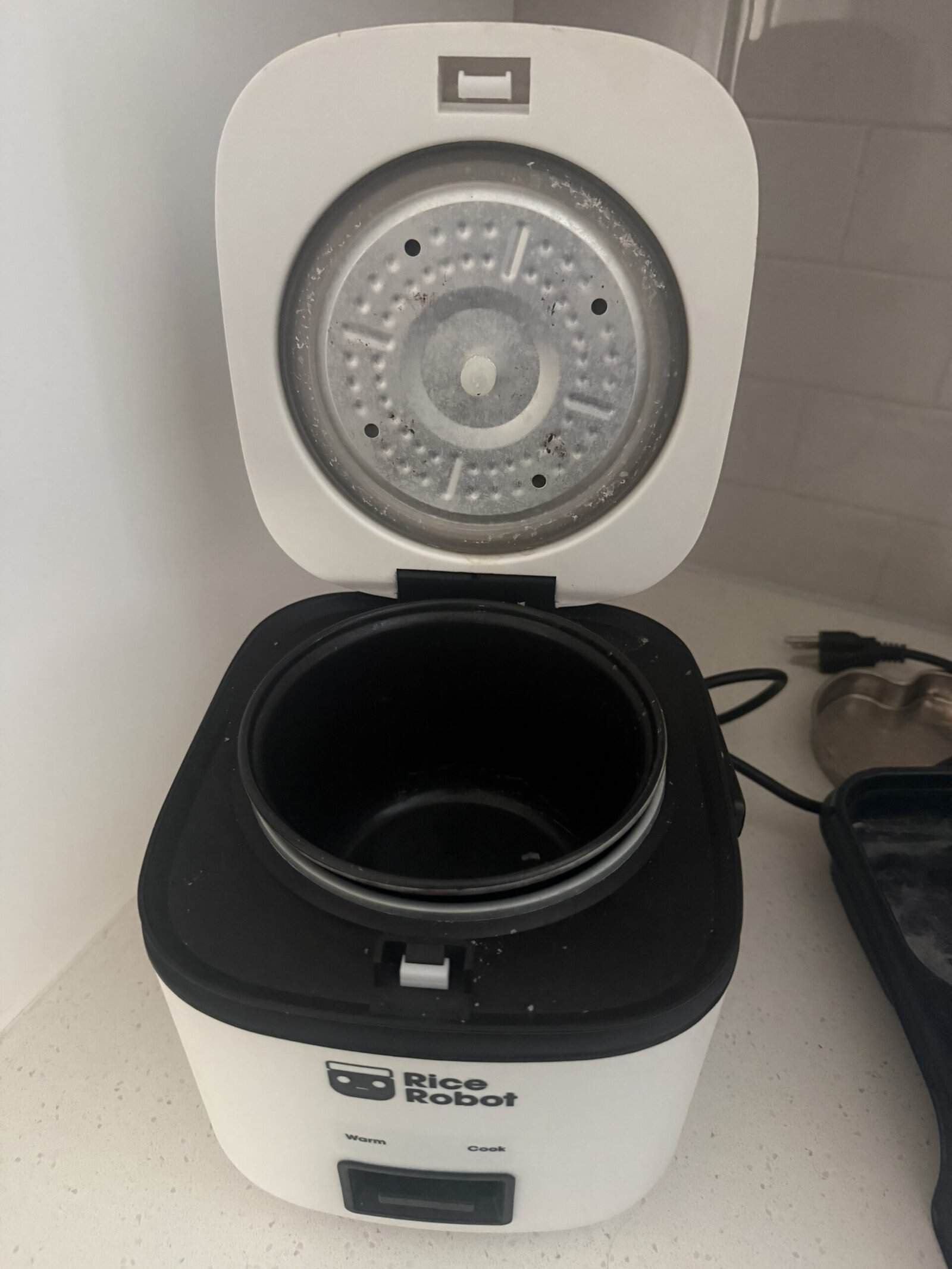
Mine is a basic switch model with a steamer tray, which I have had a little over a year. It is the first rice cooker I have owned, so I do not have another to compare against.
The rinsing is habit rather than a decision I revisit. It takes thirty seconds, the water goes cloudy, and I assume that means something is coming off.
But when I have been in a hurry and put rice straight in, the result on the plate looked and tasted the same to me. That is one person with one cooker and one type of rice, and I would not extend it further than that.
What I would say is that if you have been feeling guilty about skipping it, my experience does not suggest you are ruining anything. The people who notice most are cooking sushi rice or basmati where separation is the whole point, and that is not what I make on a weeknight.
Why the Advice Is So Confident When the Effect Is Small
Rinsing is presented as mandatory in most rice instructions, and the reasons it became standard are worth knowing.
Historically it removed more than surface starch. Rice was less carefully processed, and rinsing washed away husk fragments, grit, and milling residue that genuinely needed to go.
Modern packaged rice arrives far cleaner, so the step now does less than it used to while the instruction has stayed the same.
Culinary tradition carries weight too. In cuisines where rice is the centerpiece rather than a side, the texture difference is worth chasing precisely because everything else on the plate is built around it.
And rinsing is nearly free. Thirty seconds and some water is a low enough cost that nobody has much reason to argue against it, which is how a small effect becomes a firm rule.
None of that makes rinsing wrong. It explains why the confidence of the advice outruns the size of the difference for everyday cooking.
How to Rinse Properly if You Do
Use a fine mesh strainer
Rinsing in the cooker pot risks scratching the nonstick coating with the grains and your hand. A strainer avoids that entirely.
Cool water, not hot
Warm water starts softening the outside of the grains, which works against what you are trying to do.
Two or three passes is enough
Water running completely clear is the sushi standard. For everyday rice, until it stops looking milky is plenty.
Drain properly
Water clinging to rinsed rice adds to your cooking liquid, and a cooker measured precisely then gets slightly too much.
Does Rinsing Affect the Water Ratio?
Slightly, and mostly because of drainage rather than the rinsing itself.
Rinsed rice holds water on the surface, and if you tip it straight in without draining you are adding liquid you did not measure.
Some people reduce their water very slightly to compensate. In a rice cooker with a switch mechanism, the difference is usually small enough to ignore.
If your rice comes out consistently wet, drainage after rinsing is worth checking before you adjust the ratio, and the wider issue sits in why rice comes out mushy.
Is Rinsing a Food Safety Step?
No. Rinsing is about texture and starch rather than making rice safe to eat, and cooking handles the safety side.
The one genuine safety consideration with rice is what happens afterward. Cooked rice left at room temperature for hours can support bacterial growth, so cooling it quickly and refrigerating it matters more than anything you do before cooking.
Rice cookers with a warm function hold at a temperature intended to keep rice safe for a period, and manufacturer guidance on how long varies.
Storage and reheating are where care actually matters, and using a cooker properly sits in how to use a rice cooker.
Related Reading
- using a rice cooker
- why rice comes out mushy
- choosing a rice cooker
- what to cook in one
- sushi rice cookers
- brown rice cookers
- cleaning a rice cooker
Frequently Asked Questions
Do you have to rinse rice before cooking?
No. Rinsing removes surface starch and changes texture slightly, and rice cooks perfectly well without it. The difference is largest with sushi and long-grain rice.
What happens if you do not rinse rice?
Grains clump together slightly more and the cooker foams more during cooking. On everyday white rice in a rice cooker, many people notice no practical difference.
How many times should I rinse rice?
Two or three passes covers everyday rice. Sushi rice is traditionally rinsed until the water runs mostly clear, which takes more.
Does rinsing remove nutrients?
From enriched rice, some. Nutrients are added to the surface after milling in much of the United States, which is why several packages advise against rinsing.
Should I rinse brown rice?
There is less reason to. The bran layer is intact, so there is far less loose surface starch to remove than with white rice.
Does rinsing stop rice sticking to the cooker?
It reduces foaming, which helps. Sticking at the bottom usually has other causes, including anything added to the pot before cooking.
Does rinsing change how much water I need?
Only through drainage. Rinsed rice tipped in wet adds unmeasured liquid, so draining properly matters more than adjusting the ratio.
