
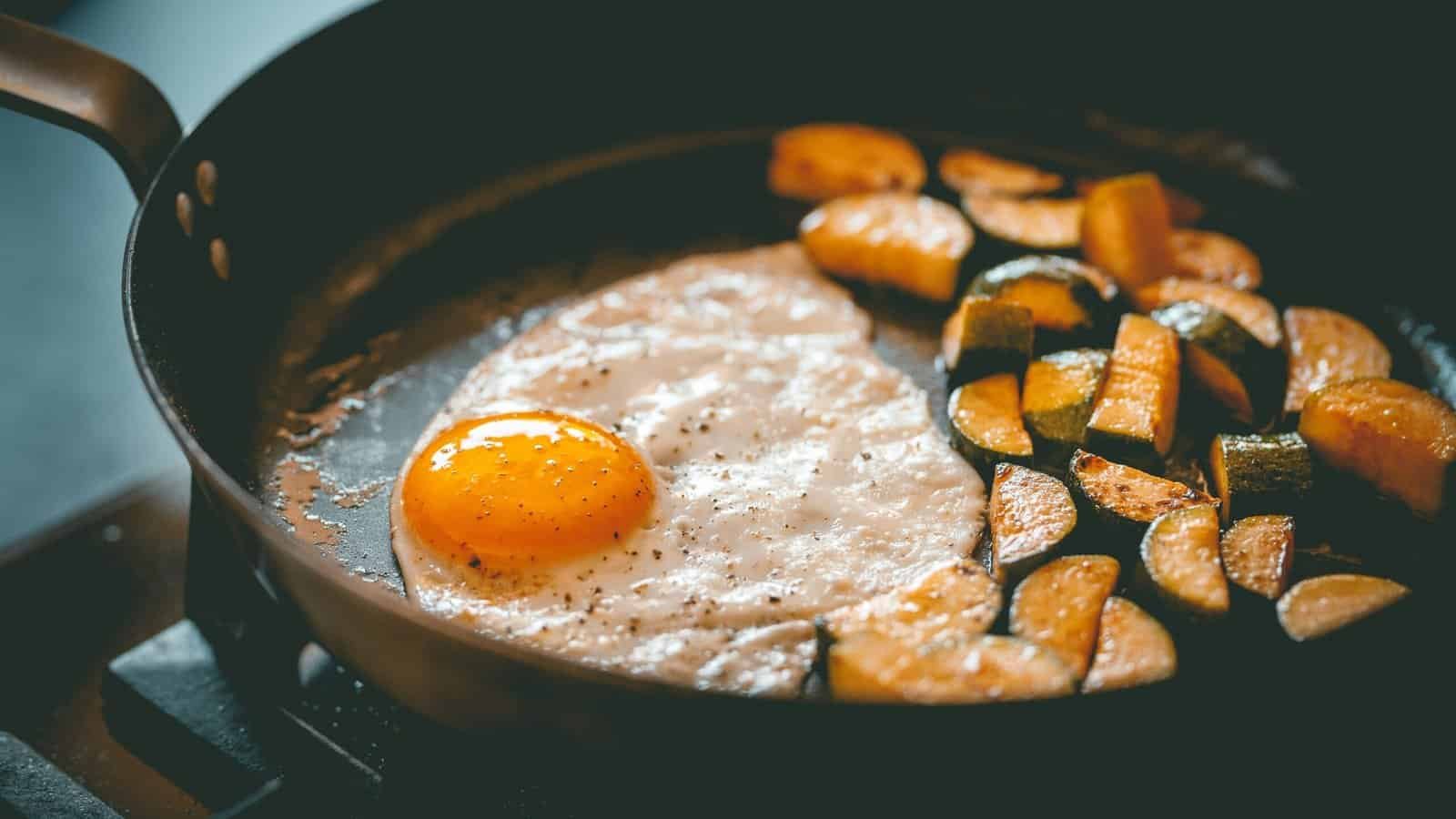
Bread crust, seared steak, roasted vegetables, toasted coffee, fried onions, and the dark exterior of grilled meat. These all share something. The browning that produces both the color and most of the flavor is a specific chemical reaction with a name (the Maillard reaction) and predictable rules. Understanding it changes how you cook because the reaction depends on conditions you control: temperature, moisture, surface contact, and time. If you’re shopping, start with our guide to the best food storage containers.
The browning is more than visual. It generates hundreds of flavor compounds that don’t exist in the raw or merely-heated version of the food. The difference between a steamed and a seared piece of meat isn’t just texture; it’s an entirely different flavor profile produced by chemistry happening on the surface during cooking.
This guide explains what’s happening, why it matters, and how to use the reaction deliberately instead of having it happen (or not happen) by accident.
Key Takeaways
- The Maillard reaction occurs when proteins and certain sugars combine under heat, producing browning and hundreds of flavor compounds.
- It needs sufficient heat (above the water’s boiling point), a relatively dry surface, and direct contact between food and the heat source.
- A separate reaction (caramelization) involves sugars alone heating to very high temperatures and produces different compounds.
- Steaming, simmering, and microwave cooking can’t produce Maillard browning because the moisture keeps temperatures too low.
What’s Actually Happening
The Maillard reaction is named after the French chemist Louis-Camille Maillard, who first described it in detail in the early twentieth century. The basic mechanism: when amino acids (from proteins) and certain sugars are heated together, they undergo a complex cascade of reactions that produces brown pigments and hundreds of new flavor compounds.
The reaction isn’t a single chemical change; it’s a complex sequence. The starting molecules go through dozens of intermediate forms, and the various end products are what we taste and smell. Different foods produce different compounds because they start with different amino acids and sugars. This is why seared beef, toasted bread, and roasted coffee all smell distinctly different despite being products of the same general reaction.
The hundreds of compounds produced include the “roasted,” “nutty,” “meaty,” and “savory” flavors that humans evolved to find deeply appealing. Maillard products are part of why cooked food tastes so much better than raw food in many cases. They’re also part of why processed foods are formulated to maximize browning during manufacturing.
What the Reaction Needs
Three conditions need to be met for meaningful Maillard browning:
Sufficient heat. The reaction proceeds slowly at temperatures below the boiling point of water and accelerates rapidly above that point. Significant browning typically begins above approximately 280°F to 300°F surface temperature. This is why steaming and boiling don’t brown food. Water on the surface holds the temperature at 212°F, below the Maillard threshold.
Reduced moisture on the surface. Water on the food surface absorbs heat through evaporation rather than letting the surface temperature rise. As long as the surface is wet, the surface stays around the boiling point, and Maillard reactions are slow. The surface has to dry out before significant browning happens.
Right pH and chemistry. Slightly alkaline conditions accelerate Maillard reactions; acidic conditions slow them. This is part of why baking soda dipping accelerates browning on pretzels, why marinades with baking soda can deepen searing color, and why egg washes (slightly alkaline) help bread crusts brown more deeply.
The result: dry surfaces in high heat brown well. Wet surfaces in moderate heat don’t. This is the foundational principle that drives many cooking techniques.
Maillard vs. Caramelization
These two terms get used interchangeably, but they’re different reactions.
Maillard requires both amino acids and sugars. It produces the savory browned flavors of meat, bread, coffee, and many other foods. The reaction happens at lower temperatures than pure caramelization.
Caramelization involves sugars alone heated to high temperatures. Sugar broken down by heat without protein interaction produces the sweet, almost burnt-sugar flavors of caramel, the dark color of caramelized onions (which involves both Maillard and caramelization since onions contain both protein and sugar), and the bitter notes of dark roasted coffee. Caramelization requires higher temperatures than typical Maillard reactions, generally above approximately 320°F.
Most browning in cooking is actually a combination of both reactions. Roasted vegetables, browning onions, and deeply roasted nuts all involve both Maillard and caramelization. The relative proportion depends on the food’s protein and sugar content. Lean meats are primarily Maillard. Pure caramel is primarily caramelization. Most foods sit somewhere in between.
The practical difference: the deeper, darker browns of caramelized onions involve sugar breaking down. The lighter, more savory browns of a seared steak involve mostly Maillard reactions. Different conditions favor different reactions.
Why Searing Works
Searing meat or vegetables involves quickly exposing the surface to very high heat to produce browning before the interior cooks through. Several factors make searing effective:
High pan temperature. A pan preheated to high temperature (typically smoking hot for cast iron or carbon steel) instantly drives surface moisture off and pushes the surface temperature above the Maillard threshold.
Dry surface. Patting meat dry with paper towels before searing dramatically improves browning. Moisture on the surface delays browning by absorbing heat through evaporation. A dry surface lets the meat hit the pan and immediately begin browning.
Good pan contact. The browning happens where the food touches the hot surface. Foods that don’t make direct contact (because of curving shape, surface irregularities, or insufficient pressure) don’t brown there. Pressing meat into a pan helps maximize contact for even browning.
Not crowding the pan. Too much food at once cools the pan and creates steam from collective moisture release. The steam keeps the surface temperature down and prevents browning. Cook in batches if needed; the second batch into a properly hot pan will produce better browning than crowding everything in at once.
Right cookware. Cast iron, carbon steel, and other heavy materials hold heat well and produce consistent searing. Lightweight nonstick pans often can’t maintain the temperature needed for proper searing. For more on pan selection, see our companion article on why stainless steel cookware sticks.
Why Roasting Works
Roasting vegetables, meat, and other foods in a hot oven also produces Maillard browning, through similar mechanisms but spread over more time and surface area.
Key principles for roasting:
High temperature. Most roasting is done above approximately 400°F because that’s the threshold where significant browning happens within reasonable cooking times. Lower temperatures (300°F to 350°F) cook the food but produce less browning.
Single layer. Crowding vegetables on a baking sheet creates steam between pieces, which keeps surface temperatures low. Spread vegetables in a single layer with space between pieces to let heat reach all surfaces and let moisture escape.
Dry the surfaces. Pat washed vegetables dry before roasting. Wet vegetables steam first and brown second; dry vegetables brown directly.
Oil helps. Oil conducts heat better than air and helps the surface reach Maillard temperature faster. Lightly coated vegetables brown more evenly than dry ones in a hot oven.
Don’t move the food too often. Movement breaks the contact between the food and the hot surface (whether pan or sheet pan). Letting things sit in contact long enough to develop a crust before disturbing them produces better browning.
Why Steaming Doesn’t Brown
Steamed vegetables, simmered stews, and boiled potatoes don’t brown because the surrounding moisture holds the surface temperature at the boiling point or below. The Maillard reaction proceeds very slowly at these temperatures.
This is why a stew can simmer for hours without the meat browning (browning has to happen before adding liquid to a stew if you want it). Why is poached chicken pale while roasted chicken is brown? Why does a baked potato develop a crust, but a boiled one doesn’t?
For dishes that benefit from browning plus subsequent moist cooking, the standard technique is to brown first and then add liquid. Searing a roast before braising, browning ground beef before adding to chili, sautéing onions before adding to soup, all are ways to capture Maillard flavor in dishes that ultimately involve liquid cooking.
The Microwave Browning Problem
Microwave ovens don’t produce Maillard browning under normal use. The reasons:
Microwaves heat through water molecules in food. The surface stays moist as long as there’s water below to migrate up. The surface temperature rarely rises above approximately 212°F because excess heat goes into vaporizing water rather than raising the temperature.
Some microwave-cooked foods get crisp through other means (special microwave-safe browning trays, microwave-plus-grill combinations, or post-microwave finishing in a regular oven). Pure microwave cooking without these additions produces moist food without browning.
This is part of why microwaved leftover steak tastes different from steak cooked fresh. The original Maillard compounds developed during cooking remain in the meat, but no new browning happens during reheating. Microwave reheating of breaded or roasted foods often produces a soggy texture for the same reason.
📑 Recommended Read: Cast iron cookware holds heat exceptionally well, which is what makes it the standard for producing good Maillard browning on meats and vegetables. The thermal mass distributes heat evenly and stays hot when food hits the pan. Check out our tested breakdown of the cast iron skillets for options that handle searing temperatures reliably.
Speeding Up or Slowing Down Browning
Several factors affect how fast Maillard reactions proceed and how dark the browning gets.
Higher temperature speeds the reaction. A hotter pan or oven produces faster, deeper browning. The risk is burning before the interior is done; matching temperature to cooking time matters.
Lower moisture speeds the reaction. Drier surfaces brown faster. Patting meat dry, salting in advance to draw moisture out, and then patting, and avoiding crowding all help.
Alkaline conditions accelerate browning. Baking soda dipping (used commercially for pretzels and bagels) produces a deeper crust color. Adding a small pinch of baking soda to onions before sautéing can deepen the caramelized color faster. The effect can be too strong; use only small amounts.
Acidic conditions slow browning. Acidic marinades (heavy vinegar, citrus) can slow surface browning. This is sometimes useful when you want a deeply marinated interior with light surface color.
Sugar content matters. Foods naturally containing more sugar brown faster. This is why onions and carrots brown well; their natural sugars combine with their amino acids for both Maillard and caramelization. Pure protein with no sugars browns more slowly.
Adding a touch of sugar can help. Some recipes for meat surface treatments include a small amount of sugar specifically to accelerate browning. The taste impact is minimal, but the color and flavor depth improve.
Browning and Healthy Eating
The Maillard reaction produces some compounds that are not particularly healthy in large quantities. Highly browned (especially burnt) food contains acrylamide and other compounds that have been associated with cancer risk in animal studies at high doses. The evidence in humans is weaker, but the general guidance is to avoid eating heavily charred or burnt food regularly.
This is mostly a concern at the extremes. Properly browned food (rich color but not blackened) appears to be safe for most people. Heavily burnt or charred food (the very dark crust on overcooked meat, deeply burnt toast, blackened parts of grilled food) is what current guidance suggests minimizing.
The recommendation isn’t to avoid browning. It’s to brown well without burning. Aim for golden-brown to dark-brown, not black. Trim burnt parts off heavily charred food before eating.
Common Mistakes and How to Avoid Them
Trying to brown wet food. Surface moisture has to evaporate before browning starts. Pat dry. Don’t dump wet vegetables straight into a hot pan.
Pan not hot enough. Adding food to a lukewarm pan produces steamed grayish food rather than browned food. Preheat properly. Test by flicking water on the pan; it should sizzle and evaporate quickly.
Crowding the pan. Too much food at once produces steam and prevents browning. Cook in batches.
Moving food too soon. Browning takes time. Let things sit in contact with the pan long enough to develop a crust before flipping or stirring.
Using nonstick pans for searing. Most nonstick coatings don’t tolerate the high temperatures needed for proper searing. Cast iron, carbon steel, or stainless steel work better. Our guide on why food sticks to nonstick pans covers the related issues with nonstick cookware.
Adding liquid too early in a braise. Once liquid hits the pan, the surface temperature drops below the browning threshold. Brown the meat first, then add liquid. Adding liquid to brown meat works; adding meat to liquid does not.
Microwaving and expecting browning. Microwaves don’t produce Maillard browning. Use other cooking methods or post-microwave finishing in a regular oven if you want browning.
Charring food and eating heavily burnt portions. Some burnt parts are part of cooking. Eating significant amounts of burnt food regularly has potential health implications. Trim heavily charred parts.
Frequently Asked Questions
Why does meat get a “crust” when you sear it? The crust is dehydrated, browned, and chemically transformed surface tissue. The high heat drives off surface moisture and triggers Maillard reactions in the proteins and amino acids that the moisture had been masking. The result is dramatically different from the uncooked or merely warmed surface.
Why does brown food taste different from white food? The Maillard reaction produces hundreds of new flavor compounds that don’t exist in the uncooked or unbrowned version. These compounds are the source of “roasted,” “nutty,” “meaty,” and similar flavors. The taste difference is real chemistry, not just appearance.
Can I brown food at low heat? Eventually, but slowly. Caramelizing onions slowly over moderate heat (which is mostly caramelization plus some Maillard) takes a long time but produces deep flavor. High heat produces faster browning at the cost of less control.
Why are some browned foods bitter? Going past optimal browning into burning produces bitter compounds. The Maillard reaction continues past optimal flavor development and starts producing unpleasant compounds. Coffee at progressively darker roasts becomes more bitter for this reason.
Do all proteins brown the same way? No. Different proteins contain different amino acids in different ratios, producing different Maillard products. Beef tastes different from chicken, which tastes different from fish, partly because of the different Maillard chemistry on each.
Is browning bad for me? In moderation, no. Heavily charred or burnt food contains compounds that may have health implications with regular high consumption. Properly browned (not burnt) food is part of essentially every cuisine and isn’t a health concern in normal amounts.
Why doesn’t my homemade bread crust get as dark as commercial bread? Commercial bread often uses techniques (steam injection, egg or milk wash, specific oven temperatures, sometimes alkaline dips) to maximize crust color. Home ovens can produce great crusts, but matching commercial color sometimes requires technique adjustments rather than just better recipes.
Why does butter make food browner? Butter contains milk solids (proteins and lactose, the milk sugar). These solids participate in Maillard reactions when the butter heats. This is why browning butter produces nutty flavors that pure oil cooking doesn’t.
Recommended Reading
See also our guides to food dehydrators.
Related Reading
Explore more: food dehydrators, blender vs food processor, and food processors under 75.
Related in this cluster: the best food scales for meal prep.
