
A good silicone spatula is one of the most-reached-for tools in any kitchen. The best silicone spatulas flex to scrape a bowl clean, hold their shape under heat, will not scratch nonstick cookware, and wash up without staining or holding onto smells. The trade-offs that matter most are heat rating, one-piece versus two-piece construction, and head shape, since a cheap spatula can warp, stain, or trap food in the seam where the head meets the handle. Below are six silicone spatulas worth buying, from one-piece baking workhorses to spoonulas and mini scrapers, with a plain guide to choosing the right one for how you cook. For more prep-station upgrades, see our roundups of the best kitchen utensil sets and mixing bowl sets.
Quick Verdict
For most kitchens, a one-piece silicone spatula rated to around 500 degrees Fahrenheit is the right default: it scrapes, folds, and stirs, will not scratch nonstick, and has no seam to trap food. Bakers who fold batter and scrape bowls often will also want a flexible-blade and a spoonula version for those specific jobs. Peelers wear out on a schedule of their own, and how long the blade stays sharp is the part nobody checks.
Why Trust This Guide
Independent picks, reader-supported through affiliate links at no cost to you. Selections draw on product research, manufacturer specs, and the food-contact safety standards cited in Sources. First-person notes appear only where the gear was genuinely used.
What I Use
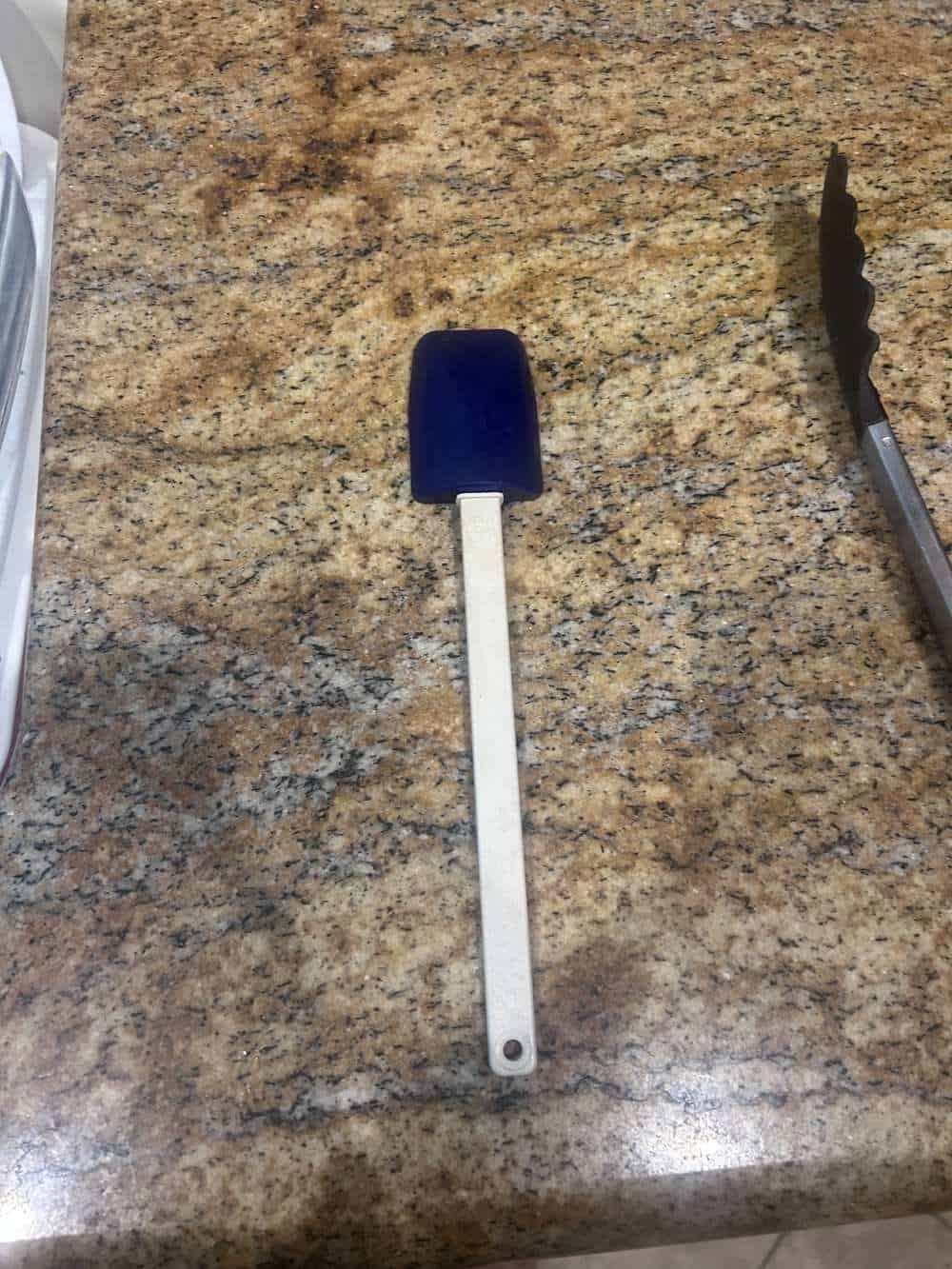
The silicone spatula I reach for is a one-piece-style design with a deep blue silicone head and a white handle with a hang-hole at the end. I use it for baking and just about everything else, and it works really well: the head is flexible enough to scrape a bowl clean and firm enough to fold and stir, and it wipes clean or goes in the dishwasher without staining. It has lasted a long time through regular use without the head splitting or warping. I keep the experience here brand-neutral because the spatula carries no clearly legible brand name, but the format, a flexible silicone head on a sturdy handle, is the same one most of the picks below share.
Key Takeaways
- whisks
- Silicone spatulas are heat-safe to roughly 400 to 600 degrees Fahrenheit depending on the formulation, so they handle stovetop cooking that would melt plastic.
- One-piece construction has no seam where the head meets the handle, so it will not trap food or harbor bacteria.
- A flexible blade is best for scraping bowls and folding batter; a stiffer head is better for flipping and stirring thick mixtures.
- Silicone will not scratch nonstick or ceramic cookware, unlike metal or hard nylon.
- Dishwasher-safe, food-grade silicone resists staining and odors better than cheaper rubber.
How We Picked the Best Silicone Spatulas
Picks were chosen on heat tolerance, construction (one-piece versus two-piece), head flexibility and shape, stain and odor resistance, and ease of cleaning, then cross-checked against reviewer consensus and manufacturer specifications. Food-contact materials were prioritized using FDA guidance on silicone and safe kitchen utensils, since spatulas touch hot food directly. The goal was a short list that covers the realistic ways people use spatulas, from baking and bowl-scraping to stovetop folding and flipping, rather than six near-identical tools.
1. One-Piece Silicone Spatula, Best Overall
A one-piece silicone spatula with a moderately flexible head is the best all-around choice for most kitchens. The seamless build has nothing to trap food or pull apart, the head scrapes a bowl clean yet holds shape for stirring, and the whole tool is heat-safe and dishwasher-friendly.
Why It Stands Out
This format handles nearly every job a home cook needs: folding batter, scraping bowls, stirring sauces, and serving, all without scratching nonstick. With no seam between head and handle, there is no gap where batter hides and no joint that loosens over time.
Worth Knowing
One-piece spatulas with an internal core are stiffer than thin all-silicone blades, which is a plus for stirring but slightly less nimble for delicate folding. Check the heat rating, usually around 500 degrees Fahrenheit, before using it for high-heat stovetop work.
Best for cooks who want one durable, easy-clean spatula that handles baking and stovetop cooking alike. Skip only if you exclusively fold delicate batters and want maximum blade flex.
2. Flexible-Blade Baking Spatula, Best for Baking
A thin, flexible silicone blade is built for the bowl. The extra give lets it hug curved surfaces and scrape down to the last bit of batter, which is exactly what folding egg whites and emptying a mixing bowl demand.
Why It Stands Out
The flexible edge conforms to the inside of a bowl better than a stiff head, making it the right tool for folding, scraping, and spreading. A thin profile slides under delicate mixtures without deflating them.
Worth Knowing
A very flexible blade is less suited to stirring thick, heavy mixtures, where it can bend rather than push. Many bakers keep this alongside a stiffer all-purpose spatula. It pairs naturally with your other baking gear, like a good bakeware set.
Best for frequent bakers who fold batter and scrape bowls. Skip if you mostly stir thick stovetop dishes.
3. Basic Silicone Spatula, Best Budget
An inexpensive silicone spatula covers the fundamentals for a few dollars. For occasional cooks or a backup to keep in the drawer, it scrapes and stirs without fuss.
Why It Stands Out
The low price makes it easy to own several so a clean one is always within reach. Even budget food-grade silicone resists heat far better than the old plastic-handled spatulas it replaces.
Worth Knowing
Cheaper two-piece designs have a seam where the head meets the handle that can trap food or pull loose over time, and some lower grades stain more easily. Treat them as handy extras rather than your one lifelong spatula.
Best for stocking several cheaply or outfitting a first kitchen. Skip if you want one premium tool to last a decade.
4. Silicone Spoonula, Best for Stirring and Serving
A spoonula combines a spatula edge with a shallow spoon bowl, so it scrapes and scoops in one tool. The curved head holds sauce, chili, or sautéed vegetables that a flat blade would lose.
Why It Stands Out
The cupped shape makes it a strong all-rounder for stovetop cooking, stirring soups and stews while still scraping the pan corners clean. It moves from pot to plate without swapping tools.
Worth Knowing
The bowl shape makes it less precise for flat scraping and folding than a true flexible blade. It is a complement to a standard spatula, not a replacement for one.
Best for one-pot cooks who want to stir, scrape, and serve with a single tool. Skip if your main use is folding delicate batter.
5. Mini Silicone Spatula, Best for Small Jars and Tasks
A small silicone spatula reaches into jars, condiment bottles, and narrow containers a full-size head cannot. It scrapes out the last of the peanut butter, mayonnaise, or frosting with no waste.
Why It Stands Out
The narrow head fits where standard spatulas cannot, which makes it genuinely useful for jars, small bowls, and decorating. Mini sets are inexpensive and easy to store.
Worth Knowing
The small size is a precision tool, not a primary spatula for mixing bowls or stovetop work. Think of it as a useful add-on rather than a standalone buy.
Best for scraping jars and small-batch tasks. Skip if you need one do-everything spatula.
6. Stiff Silicone Turner, Best for Flipping
A firm, flat silicone turner is built to slide under and flip food rather than scrape a bowl. The stiffer head and thin leading edge handle eggs, pancakes, and fish fillets on nonstick pans without tearing them.
Why It Stands Out
The rigidity that makes it a poor scraper makes it a great flipper, giving the support a flexible blade lacks. Silicone construction means it will not scratch the nonstick surface it is designed to work on.
Worth Knowing
This is a turner, not a bowl spatula, so it will not fold batter or scrape a bowl well. It belongs alongside a flexible spatula rather than replacing one.
Best for cooks who flip eggs, pancakes, and fish on nonstick pans. Skip if you mainly bake and scrape bowls.
Silicone Spatulas at a Glance
| Type | Best For | Head Flex | Construction |
|---|---|---|---|
| One-piece spatula | Everyday all-purpose | Moderate | Seamless |
| Flexible-blade baking | Folding, bowl scraping | High | One or two piece |
| Basic spatula | Budget, extra pairs | Moderate | Often two piece |
| Spoonula | Stirring and serving | Moderate | Seamless or two piece |
| Mini spatula | Jars, small tasks | Moderate | Seamless |
| Stiff turner | Flipping eggs, fish | Low | Cored handle |
How to Choose a Silicone Spatula
Check the heat rating
Food-grade silicone is typically rated to roughly 400 to 600 degrees Fahrenheit, which covers most stovetop cooking. Confirm the manufacturer rating before using a spatula for high-heat work, since exceeding it can degrade the head.
Favor one-piece construction
A seamless one-piece spatula has no gap where the head meets the handle, so it will not trap batter or harbor bacteria, and there is no joint to loosen. Two-piece designs are fine but need a closer look at the seam and a thorough wash.
Match the head flex to the job
A flexible blade scrapes bowls and folds batter best, while a stiffer head stirs thick mixtures and flips food better. If you do both regularly, one of each beats a single compromise spatula. For more bowl-side tools, see our guide to the best mixing bowl sets.
Look for stain and odor resistance
Higher-grade silicone resists staining from tomato and turmeric and does not hold onto strong smells the way cheaper rubber can. Dishwasher-safe heads make cleanup simple and sanitary.
Silicone vs Rubber Spatulas
When silicone wins
Silicone is heat-safe far beyond traditional rubber, so it can move from bowl to hot pan without melting or scorching. It also resists stains and odors better, will not scratch nonstick, and is usually dishwasher-safe, which makes it the better default for nearly every kitchen.
When old-style rubber still appears
Classic rubber and plastic spatulas are cheaper and fine for cold tasks like frosting, but they cannot take stovetop heat and can warp or leach when pushed. For anything that touches a hot pan, silicone is the safer, longer-lasting choice.
Common Silicone Spatula Mistakes to Avoid
Exceeding the heat rating
Every silicone spatula has a temperature limit, often around 500 degrees Fahrenheit. Leaving the head resting against a screaming-hot pan or under a broiler can degrade or discolor the silicone, so keep it moving and check the rating.
Choosing a two-piece spatula for heavy use
Two-piece spatulas have a seam that can trap food and, on cheaper models, pull loose over time. For daily cooking, a seamless one-piece design is more hygienic and more durable.
Using the wrong flex for the task
A floppy blade struggles to stir thick batter, and a stiff turner cannot fold egg whites. Pick the head stiffness that matches your most common job, or keep one flexible and one firm spatula on hand.
Letting silicone stain and ignoring it
Silicone can pick up color from tomato or turmeric, especially on lighter heads. A soak in warm soapy water or a baking-soda paste usually lifts it, and a quick dishwasher cycle keeps the head sanitary between uses.
Recommended Reading
- kitchen tongs
- kitchen utensil sets
- nonstick cookware sets
- bakeware sets for home bakers
- bowl scrapers
- metal turners
Frequently Asked Questions About Silicone Spatulas
What is the best silicone spatula for baking?
A flexible-blade silicone spatula is the best choice for baking because it hugs the inside of a bowl, scrapes batter clean, and folds delicate mixtures without deflating them. A one-piece design adds easy cleaning and durability.
Are silicone spatulas heat resistant?
Most food-grade silicone spatulas are rated to roughly 400 to 600 degrees Fahrenheit, which covers normal stovetop cooking. Always confirm the manufacturer rating before using one for high-heat tasks.
Are one-piece or two-piece silicone spatulas better?
One-piece spatulas are generally better because the seamless build has no gap where food can hide and no joint that loosens over time. Two-piece designs work but need careful washing at the seam.
Can silicone spatulas go in the dishwasher?
Most silicone spatulas are dishwasher-safe, which is part of what makes them easy to keep clean. One-piece designs are especially simple to sanitize since there is no seam to trap residue.
Will silicone spatulas scratch nonstick pans?
No, silicone is soft enough that it will not scratch nonstick or ceramic coatings, which is a major reason it has largely replaced metal and hard nylon for coated cookware.
How do I remove stains from a silicone spatula?
Soak the head in warm soapy water or apply a baking-soda paste, then run it through the dishwasher. Stubborn color from tomato or turmeric usually fades with a soak rather than scrubbing.
Do silicone spatulas last a long time?
A well-made food-grade silicone spatula can last many years of regular use without the head splitting or warping. One-piece construction tends to outlast two-piece designs that can separate at the seam.
Recommended Reading
See also our guides to silicone basting brushes.
- For the cooking this supports, why the spatula matters as much as the pan.
- how to organize your kitchen
- clip on pot strainers
- fine mesh strainers
