
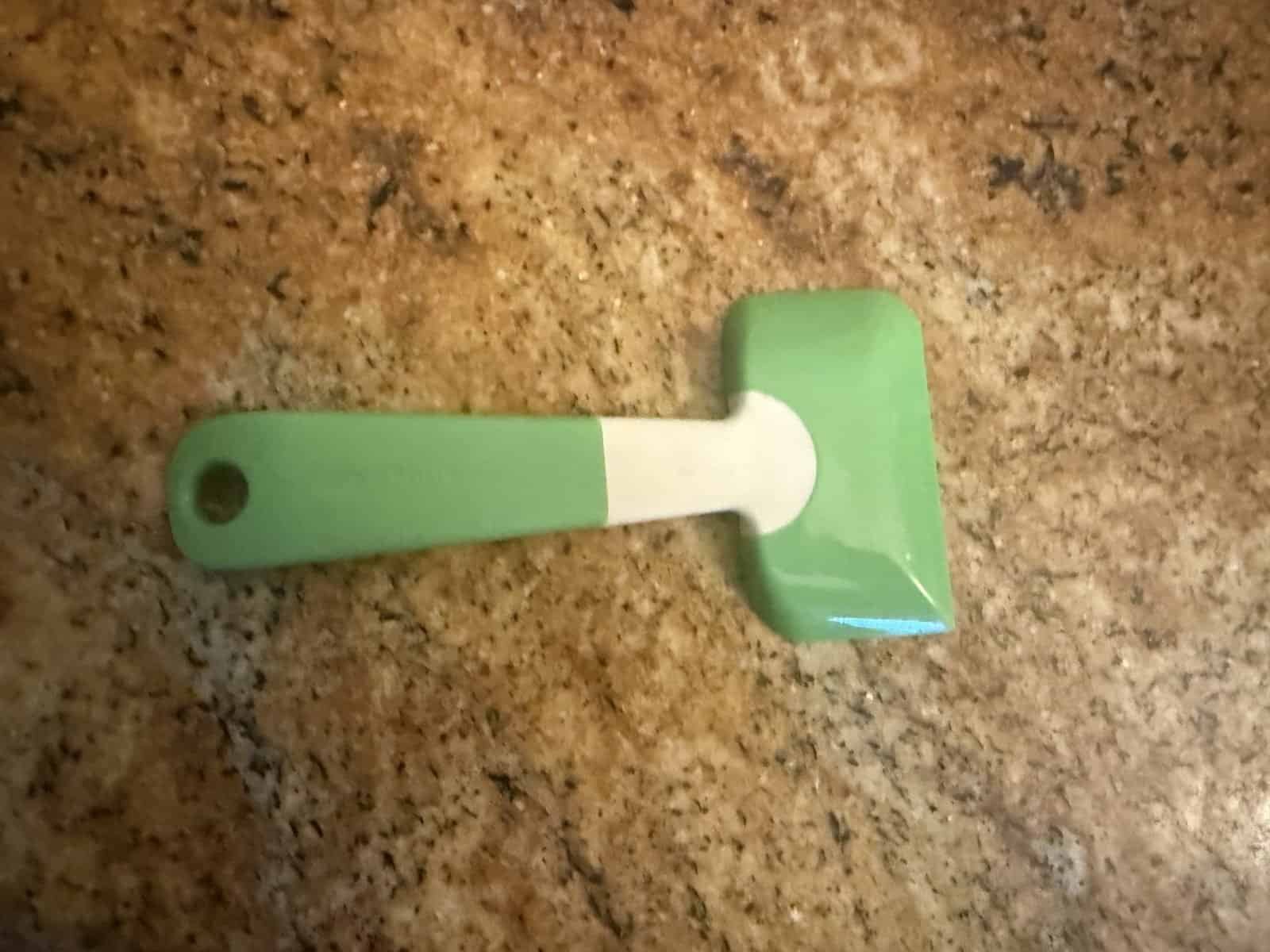
A bowl scraper is the humble tool that flexes to the curve of a bowl and drags out every last bit of batter, dough, or sauce that a spoon leaves behind. The best bowl scrapers are sturdy yet flexible, conform to any bowl shape, and rinse clean in seconds. I use a silicone bowl scraper that is sturdy and easy to clean, and I reach for it in baking and for just about everything else in the kitchen. This guide pairs that hands-on experience with product research, and it fits right into a well-stocked home baking station. The six picks below cover flexible silicone scrapers, classic flat scrapers, and dough-friendly designs.
Quick Verdict
A flexible silicone bowl scraper is the best all-around choice, bending to any bowl and wiping it clean while resisting heat and stains. A classic flat plastic scraper is the cheapest and great for dough, while a dual-edge design adds a straight side for cutting and portioning. Whatever you choose, prioritize a sturdy but flexible edge and easy cleaning.
Why Trust This Guide
Independent picks, reader-supported through affiliate links at no cost to you. I use a bowl scraper constantly, in baking and well beyond it, so I can speak to what makes one genuinely useful: a sturdy, flexible edge that gets every bit out and a design that cleans in seconds. First-person notes describe the scraper I actually use, in my own words with no brand claimed, while the rest reflects product research.
Key Takeaways
- A bowl scraper flexes to a bowl’s curve to remove every bit of batter or dough a spoon misses.
- Flexible silicone scrapers are the most versatile; flat plastic scrapers are cheap and great for dough.
- Look for a sturdy yet flexible edge, a comfortable shape, and easy cleaning.
- One scraper does many jobs: emptying bowls, dividing dough, folding batter, and clearing counters.
How We Picked the Best Bowl Scrapers
We judged each scraper on flexibility, sturdiness, versatility, and ease of cleaning. Flexibility and sturdiness led, because a good scraper needs a flexible edge that hugs a bowl’s curve while staying stiff enough to push batter and dough without folding uselessly. We valued shapes that handle more than one job, from emptying bowls to portioning dough, and a smooth, seamless build that rinses clean without batter hiding in cracks. The picks span silicone and plastic designs.
1. OXO Good Grips Silicone Bowl Scraper
Why It Stands Out
The OXO Good Grips silicone scraper is the best all-around pick. Its flexible silicone edge bends to any bowl and wipes it clean, while the sturdy core keeps it from flopping, and the heat-resistant, stain-resistant silicone handles hot mixtures and cleans easily. For a do-everything bowl scraper, it is the natural default.
Worth Knowing
Silicone costs a little more than a basic plastic scraper. Its flexible edge is ideal for bowls but less rigid than a stiff plastic scraper for firm dough.
Buy it if you want a versatile, easy-clean scraper for bowls. Skip it if you only cut stiff dough and want maximum rigidity.
2. The Bowl Scraper I Use
Why It Stands Out
This is the bowl scraper I actually use, so I will describe it plainly. It is sturdy and easy to clean, and while it is made for baking, I genuinely reach for it for just about everything, scraping bowls clean, moving mixtures around, and tidying up as I go. What I appreciate most is how dependable and low-fuss it is: a solid, flexible edge that gets every bit out and a quick rinse to clean. For an everyday tool you use without thinking, that combination is exactly what I want.
Worth Knowing
Because mine is unbranded here, look for the same things I value: a sturdy but flexible edge that hugs a bowl, and a smooth, seamless design that rinses clean in seconds. Match the stiffness to your main use, softer for bowls and firmer for dough.
Buy a sturdy, easy-clean scraper like this for baking and everyday kitchen use. Choose the flexibility that suits your main tasks.
3. Classic Flat Plastic Bowl Scraper
Why It Stands Out
The classic flat plastic scraper is the best budget pick and a baker’s staple. This simple curved-and-straight piece of firm plastic costs very little, fits in your palm, and excels at scraping bowls and handling dough, which is why professional bakers keep a stack of them. It is cheap, effective, and nearly indestructible.
Worth Knowing
Being handleless, it puts your hand close to the mixture, which some find less tidy. Its firmer plastic is less conforming on very curved bowls than soft silicone.
Buy it if you want a cheap, dough-friendly workhorse. Skip it if you prefer a handle or a softer, more flexible edge.
4. Flexible Silicone Bowl Scraper
Why It Stands Out
A soft, flexible silicone scraper is the pick for maximum bowl coverage. Its very pliable edge molds to the deepest curves and tightest corners, leaving almost nothing behind, and the seamless silicone is a breeze to wash. For getting a bowl truly clean, this bendy design shines.
Worth Knowing
Its softness that is great for bowls makes it less suited to cutting stiff dough. Very thin, floppy versions can feel flimsy, so look for one with a sturdy core.
Buy it if emptying bowls completely is your priority. Skip it if you mainly work with firm dough.
5. Dual-Edge Dough and Bowl Scraper
Why It Stands Out
A dual-edge scraper is the pick for bakers who work with dough. It pairs a curved side for scraping bowls with a straight side for cutting, dividing, and portioning dough, so one tool covers both jobs. For bread and pastry, that versatility earns it a spot on the bench.
Worth Knowing
Its firmer build favors dough over hugging soft-bowl curves. The straight cutting edge is handy but means a slightly larger tool to store.
Buy it if you bake bread or pastry often. Skip it if you only need to empty mixing bowls.
6. Bowl Scraper Set
Why It Stands Out
A multi-piece scraper set is the best value pick. It bundles several shapes and flexibilities, so you get a soft one for bowls, a firmer one for dough, and spares to keep in different spots, all for the price of one premium scraper. For covering every scraping job, a set is the practical choice.
Worth Knowing
You end up with several pieces to store, though they take little space. Quality can vary within budget sets, so check the material.
Buy it if you want a shape for every job and spares. Skip it if you only need one dedicated scraper.
Bowl Scrapers at a Glance
| If you want this | Reach for | Why |
|---|---|---|
| A versatile all-rounder | OXO Silicone Scraper | Flexible, heat-safe, easy clean |
| A sturdy everyday scraper | A scraper like the one I use | Solid, flexible, low-fuss |
| The cheapest dough-friendly option | Flat Plastic Scraper | Baker’s staple, nearly indestructible |
| Getting bowls truly clean | Flexible Silicone Scraper | Molds to every curve |
| Bread and pastry work | Dual-Edge Scraper | Scrapes and cuts dough |
| The best value | Scraper Set | A shape for every job |
How to Choose a Bowl Scraper
Match Flexibility to Your Tasks
Decide how you will use it most. A soft, flexible silicone edge is best for hugging bowl curves and emptying them completely, while a firmer plastic scraper is better for cutting and moving stiff dough. If you do both, a medium-flex scraper or a small set covers the range.
Silicone or Plastic
Choose your material for the job. Silicone is heat resistant, stain resistant, and gentle on nonstick bowls, making it the versatile pick, while firm plastic is cheaper and excels at dough. Both clean easily, so it comes down to whether you prioritize flexibility and heat safety or rigidity and price.
Handle or Handleless
Consider whether you want a handle. Handleless flat scrapers fit in your palm and are the pro standard for dough, while a handled scraper keeps your hand cleaner and gives more control in deep bowls. Either works well, so pick the feel you prefer, and pair it with sturdy mixing bowl sets.
Prioritize Easy Cleaning
A scraper you use constantly should clean instantly, so look for a smooth, seamless design with no cracks where batter can hide. One-piece silicone scrapers are especially easy to rinse or toss in the dishwasher, keeping the tool ready for the next job. A silicone spatula complements it for stirring and folding.
Common Bowl Scraper Mistakes to Avoid
Using a Too-Floppy Scraper on Dough
A very soft scraper folds uselessly against stiff dough and cannot cut or move it. For dough work, choose a firmer plastic or dual-edge scraper, and save the soft silicone one for hugging bowl curves and emptying batter.
Buying a Flimsy, Thin Scraper
An overly thin, floppy scraper bends away from the bowl instead of pushing mixture out, defeating the purpose. Look for one with a sturdy core that stays flexible but does not collapse, so it actually clears the bowl.
Reaching for a Spoon Instead
A spoon leaves batter clinging to the sides and wastes ingredients and money over time. A scraper’s flexible edge follows the bowl’s curve to get nearly everything out, which is the whole reason to keep one within reach.
Letting Batter Dry On It
Dried batter is harder to remove and can build up in any seams. Rinse the scraper soon after use, and its smooth surface wipes clean in moments, keeping it ready and hygienic for the next task.
Recommended Reading
- silicone spatulas
- mixing bowl sets
- a home baking station
- silicone baking mats
- whisks
- baking sheets
- cooling racks
- rolling pins
- measuring cups and spoons
- pastry cutters
Frequently Asked Questions
What is a bowl scraper used for?
A bowl scraper flexes to the curve of a bowl to remove every bit of batter, dough, or sauce a spoon leaves behind. It also divides and moves dough, folds ingredients, and even clears crumbs from a counter, making it a versatile baking and kitchen tool.
What is the difference between a bowl scraper and a spatula?
A bowl scraper is a flexible edge, often handleless, designed to hug a bowl’s curve and empty it completely or to handle dough. A silicone spatula has a handle and is a general-purpose tool for stirring, folding, and cooking, so the two complement each other.
Are silicone or plastic bowl scrapers better?
It depends on your use. Silicone is flexible, heat resistant, and gentle on nonstick bowls, making it the versatile all-rounder, while firm plastic is cheaper and better for cutting and moving stiff dough. Many bakers keep one of each for different jobs.
Can a bowl scraper cut dough?
A firm plastic or dual-edge scraper can cut and divide dough well, using its straight edge to portion and lift. A soft, flexible silicone scraper is less suited to cutting, so choose a firmer design if dough work is your main task.
How do I clean a bowl scraper?
Rinse it in warm soapy water soon after use, and its smooth surface wipes clean in seconds. Most silicone and plastic scrapers are dishwasher safe, and choosing a seamless design prevents batter from hiding in cracks, keeping it easy to clean.
Do I really need a bowl scraper?
It is not essential, but it saves ingredients and effort by getting nearly everything out of the bowl that a spoon would leave behind. For anyone who bakes or cooks regularly, it is an inexpensive tool that quickly earns its place.
What can I use a bowl scraper for besides baking?
Plenty. A bowl scraper is handy for scraping pots and pans, portioning and lifting dough, spreading fillings, folding batter, and even sweeping crumbs or spills off a counter. Its simple flexible edge makes it useful all over the kitchen.
What should I look for in a sturdy bowl scraper?
Look for a flexible edge backed by a sturdy core so it hugs the bowl without collapsing, a smooth seamless build for easy cleaning, and a material suited to your tasks. A scraper that is both flexible and solid gets every bit out and lasts for years.
