
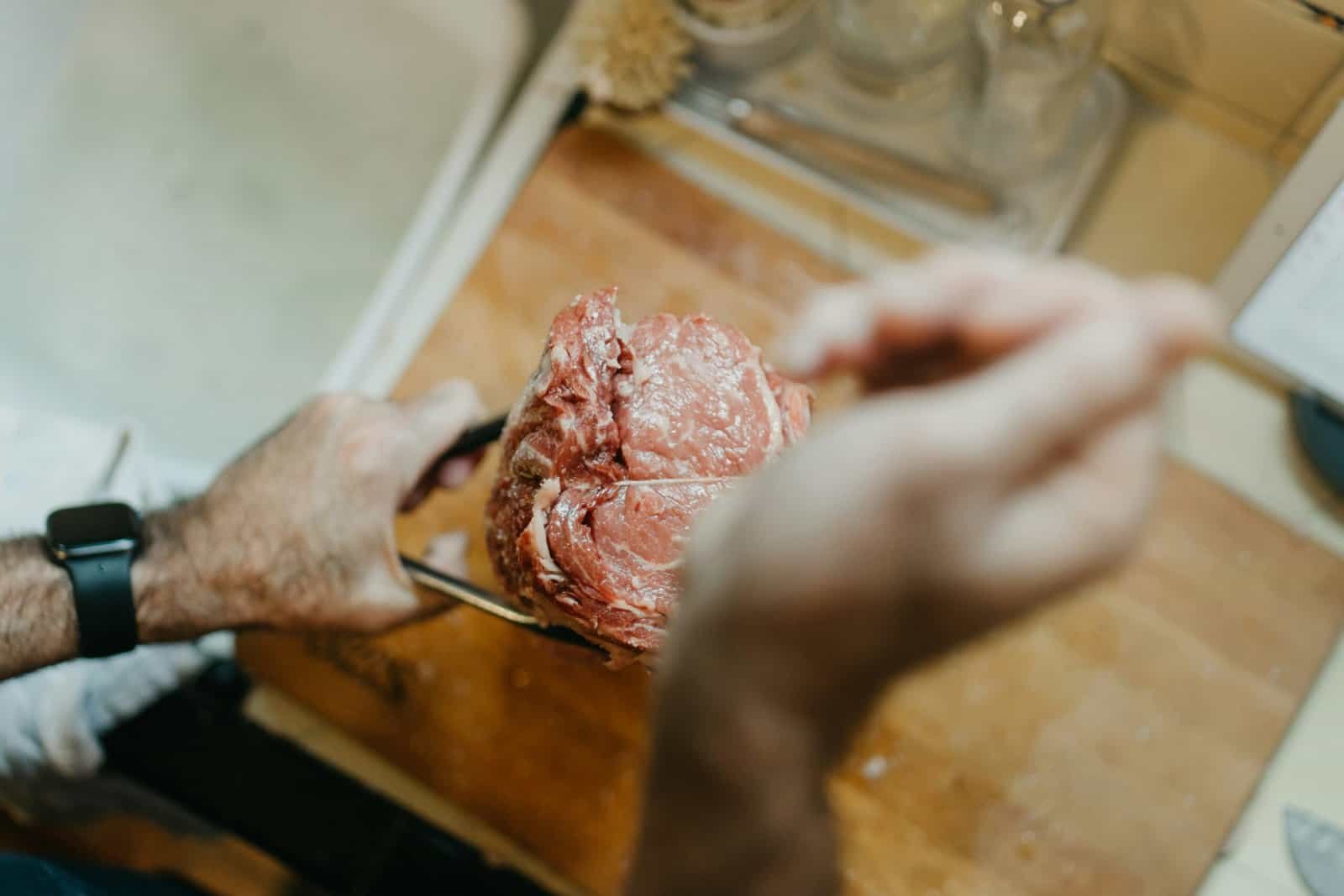
A meat tenderizer does two useful jobs: it flattens cuts to an even thickness so they cook through at the same rate, and it breaks up tough muscle fibers so a cheaper cut eats more tender. The best meat tenderizers come in two main styles, the classic mallet and the blade or needle tool, and the right one depends on whether you mostly pound cutlets or want to tenderize steaks and roasts. If you cook a lot of meat, our guide to choosing kitchen tools and cookware puts it in context, and our roundup of tools for cooking steak covers the rest of the setup.
Quick Verdict
For most cooks, the OXO Good Grips mallet is the versatile pick: a dual-sided head that pounds cutlets flat and tenderizes tougher cuts. Cooks who want the deepest fiber-breaking should look at the Jaccard blade tenderizer, budget shoppers at the KitchenAid mallet, and anyone who wants easy cleanup at the Checkered Chef stainless mallet. Match the tool to how you cook meat.
Key Takeaways
- Mallets flatten cutlets for even cooking and lightly tenderize with a textured face.
- Blade and needle tenderizers cut muscle fibers for a more tender bite without flattening.
- A flat mallet face pounds thin; a spiked face breaks fibers and thins at once.
- Blade tools help marinades and seasoning penetrate deeper into the cut.
- Dishwasher-safe stainless and one-piece designs are easiest to keep clean.
How We Picked the Best Meat Tenderizers
We covered both main styles, mallets for pounding and blade or needle tools for fiber-breaking, so cooks with different needs are served. We looked for solid, comfortable builds, effective heads, and easy cleaning, since raw meat contact makes hygiene important.
We weighed weight and grip for control, and whether the tool comes apart or is dishwasher safe. Every pick is a widely available line so you can compare styles and prices to your cooking.
OXO Good Grips Meat Tenderizer
Why It Stands Out
The OXO Good Grips mallet has a dual-sided head, one flat face for pounding cutlets thin and one textured face for tenderizing tougher cuts, plus a comfortable non-slip grip. That versatility covers most home needs in one tool, from chicken cutlets to round steak. The solid build delivers effective, controlled strikes.
Worth Knowing
A dual-head mallet is bulkier than a single-purpose tool. Hand washing protects the grip, though the head cleans easily. It is the easy all-round recommendation.
Best for cooks who want one tool for pounding and tenderizing. Skip it if you want the deepest fiber-breaking of a blade tool.
Jaccard Supertendermatic Blade Tenderizer
Why It Stands Out
The Jaccard Supertendermatic uses rows of thin blades that pierce the meat to cut muscle fibers without flattening the cut, which tenderizes steaks and roasts while keeping their shape. The blade channels also help marinades and seasoning soak in deeper. It is the pick for tenderizing without pounding.
Worth Knowing
Blade tools need careful handling and thorough cleaning around the blades. They tenderize rather than thin, so they will not flatten a cutlet. It is best for cooks who want tender steaks and better marinade penetration.
Best for tenderizing steaks and roasts without flattening. Skip it if you mainly pound cutlets thin.
KitchenAid Gourmet Meat Tenderizer
Why It Stands Out
The KitchenAid Gourmet mallet is the value pick, a dual-sided head with flat and textured faces at a budget-friendly price. It covers the core jobs of pounding and light tenderizing without extras, making it an easy first tenderizer. The comfortable handle gives good control.
Worth Knowing
Budget mallets may feel less substantial than heavier premium tools. Hand washing preserves the handle finish. It is a sensible low-cost choice for occasional use.
Best for budget shoppers who want a versatile mallet. Skip it if you want a heavier premium build or a blade tool.
Checkered Chef Stainless Steel Mallet
Why It Stands Out
The Checkered Chef mallet is one-piece stainless steel, so it is dishwasher safe and has no crevices to trap raw-meat residue, making it the easiest to keep hygienic. Its dual head pounds and tenderizes, and the solid metal delivers effective strikes. It suits cooks who prioritize easy cleanup.
Worth Knowing
An all-metal mallet is heavier and has a firmer grip than cushioned handles. It handles both flattening and tenderizing. It is the pick when hygiene and dishwasher cleaning matter most.
Best for cooks who want a dishwasher-safe, hygienic mallet. Skip it if you prefer a cushioned grip.
Norpro Professional Meat Tenderizer
Why It Stands Out
The Norpro Professional is a heavy-duty mallet with a substantial head for cooks who pound a lot of meat and want serious weight behind each strike. The extra mass flattens cutlets quickly and tenderizes tough cuts with less effort. It is built for frequent, heavier use.
Worth Knowing
The heavier build takes more control and is tiring for light tasks. Hand washing is best. It is the pick for cooks who tenderize meat often.
Best for frequent cooks who want a heavy, effective mallet. Skip it if you want a lighter tool for occasional use.
Zulay Kitchen Needle Meat Tenderizer
Why It Stands Out
The Zulay Kitchen needle tenderizer uses stainless needles that pierce the meat to break fibers and open channels for marinade, without flattening the cut. It suits cooks who want tender steaks and deeper flavor penetration in a compact, easy-to-use tool. The spring-loaded design makes repeated use simple.
Worth Knowing
Needle tools require careful handling and cleaning around the points. They tenderize rather than thin. It is a compact alternative to a bladed tenderizer.
Best for cooks who want tender cuts and better marinade absorption. Skip it if you mainly pound cutlets flat.
Meat Tenderizers at a Glance
| Tenderizer | Type | Action | Best for | Dishwasher |
|---|---|---|---|---|
| OXO Good Grips | Mallet | Pound and tenderize | All-round versatility | Hand wash |
| Jaccard Supertendermatic | Blade | Cut fibers | Tender steaks and roasts | Care needed |
| KitchenAid Gourmet | Mallet | Pound and tenderize | Budget pick | Hand wash |
| Checkered Chef | Mallet | Pound and tenderize | Easy cleanup | Yes |
| Norpro Professional | Mallet | Heavy pounding | Frequent use | Hand wash |
| Zulay Kitchen | Needle | Cut fibers | Marinade penetration | Care needed |
How to Choose a Meat Tenderizer
Mallet or Blade
Choose a mallet if you mainly pound cutlets thin for even cooking, and a blade or needle tool if you want to tenderize steaks and roasts without flattening them. Many cooks find a dual-head mallet covers most needs. Match the tool to how you cook meat.
Head Design
A flat mallet face pounds meat thin, while a spiked or textured face breaks fibers and thins at once. Dual-head mallets give you both. Pick based on whether you flatten, tenderize, or both.
Cleaning and Hygiene
Raw meat contact makes easy cleaning important, so one-piece stainless and dishwasher-safe designs have an edge, while bladed tools need careful washing. Prioritize a tool you can keep genuinely clean. Hygiene matters more here than with most kitchen tools.
Weight and Grip
A heavier mallet flattens with less effort but is tiring for light jobs, while a comfortable grip gives control. Match the weight to how often you tenderize. Our cutting board guide covers the surface to work on.
Mallet vs Blade Tenderizers
When a Mallet Wins
A mallet flattens cutlets to an even thickness for quick, even cooking and lightly tenderizes with a textured face, making it the versatile everyday choice. It is simple, effective, and easy to use.
When a Blade Tool Wins
A blade or needle tenderizer cuts muscle fibers to make tougher cuts tender without changing their shape, and it helps marinades soak in. Choose it for steaks and roasts where you want tenderness, not thinness.
Common Meat Tenderizer Mistakes
Over-Pounding the Meat
Too much force tears the meat and creates ragged, uneven cutlets. Pound firmly but steadily to an even thickness rather than smashing.
Skipping Thorough Cleaning
Textured and bladed tools trap raw-meat residue in crevices. Clean them thoroughly, favoring dishwasher-safe designs where hygiene is a concern.
Using the Wrong Tool for the Job
A mallet will not tenderize a thick steak without flattening it, and a blade tool will not thin a cutlet. Match the tool to whether you want to flatten or tenderize.
Getting the Most From a Tenderizer
Pound Between Sheets
Placing meat between two sheets of plastic wrap or parchment before pounding keeps splatter down and stops the meat from tearing. It also keeps the tenderizer cleaner. This simple step makes flattening cutlets faster and tidier.
Pair It With the Right Gear
A tenderizer works alongside the pans and tools you sear on, so a hot skillet or griddle finishes the job. Our guides to cast iron griddles and stove-to-oven cookware cover pans that suit tenderized cuts, and kitchen shears handle trimming.
Recommended Reading
Recommended Reading
- How to choose kitchen tools and cookware
- Tools for cooking steak at home
- Cast iron skillets for a hard sear
- Meat thermometers for perfect doneness
Frequently Asked Questions
What does a meat tenderizer do?
A meat tenderizer either flattens a cut to an even thickness so it cooks through evenly, or breaks up tough muscle fibers so the meat eats more tender. Mallets mainly pound and flatten, while blade and needle tools cut fibers without flattening. The right one depends on your cooking.
Is a mallet or blade tenderizer better?
A mallet is better for pounding cutlets thin for even cooking and light tenderizing, while a blade or needle tool is better for tenderizing steaks and roasts without changing their shape. Many cooks use a dual-head mallet for versatility. Choose based on how you cook meat.
Do meat tenderizers make cheap cuts tender?
They help. Breaking up muscle fibers with a textured mallet or a blade tool makes tougher, cheaper cuts eat more tender, and blade tools also help marinades penetrate. Tenderizing works alongside proper cooking and resting, not instead of it. It is a useful step for budget cuts.
How do you clean a meat tenderizer?
Wash it thoroughly after every use, since raw meat contacts the head. One-piece stainless and dishwasher-safe mallets are easiest, while textured and bladed tools need careful cleaning in the crevices. Good hygiene matters more here than with most kitchen tools.
Can you tenderize meat without a tool?
You can use marinades with acid or enzymes, or the back of a heavy pan to pound in a pinch, but a dedicated tenderizer is more effective and controlled. A mallet flattens evenly and a blade tool breaks fibers cleanly. The tool gives more consistent results.
Does a needle tenderizer help marinades?
Yes. Needle and blade tenderizers open small channels in the meat that let marinade and seasoning soak in deeper than surface contact alone. That means more flavor throughout the cut, not just on the outside. It is a key reason cooks choose bladed tools.
Can you over-tenderize meat?
Yes. Too much pounding tears the fibers and turns meat mushy or ragged, and overusing a blade tool can make a cut fall apart. Tenderize just enough to even the thickness or break the toughest fibers, then stop. Restraint gives a better texture than force.
Do you tenderize meat before or after marinating?
Tenderize first, then marinate, since breaking up fibers or opening channels with a blade tool lets the marinade soak in deeper for more flavor throughout the cut. Pounding cutlets before marinating also helps them absorb seasoning evenly. Doing it in that order gets you both a tender texture and better-seasoned meat.
Can you use a rolling pin to tenderize meat?
A rolling pin or the bottom of a heavy pan can flatten meat in a pinch, but it lacks the textured face of a mallet that breaks fibers, so it mainly thins rather than tenderizes. A dedicated tenderizer gives more control and better results. For occasional pounding, though, an improvised tool works.
