
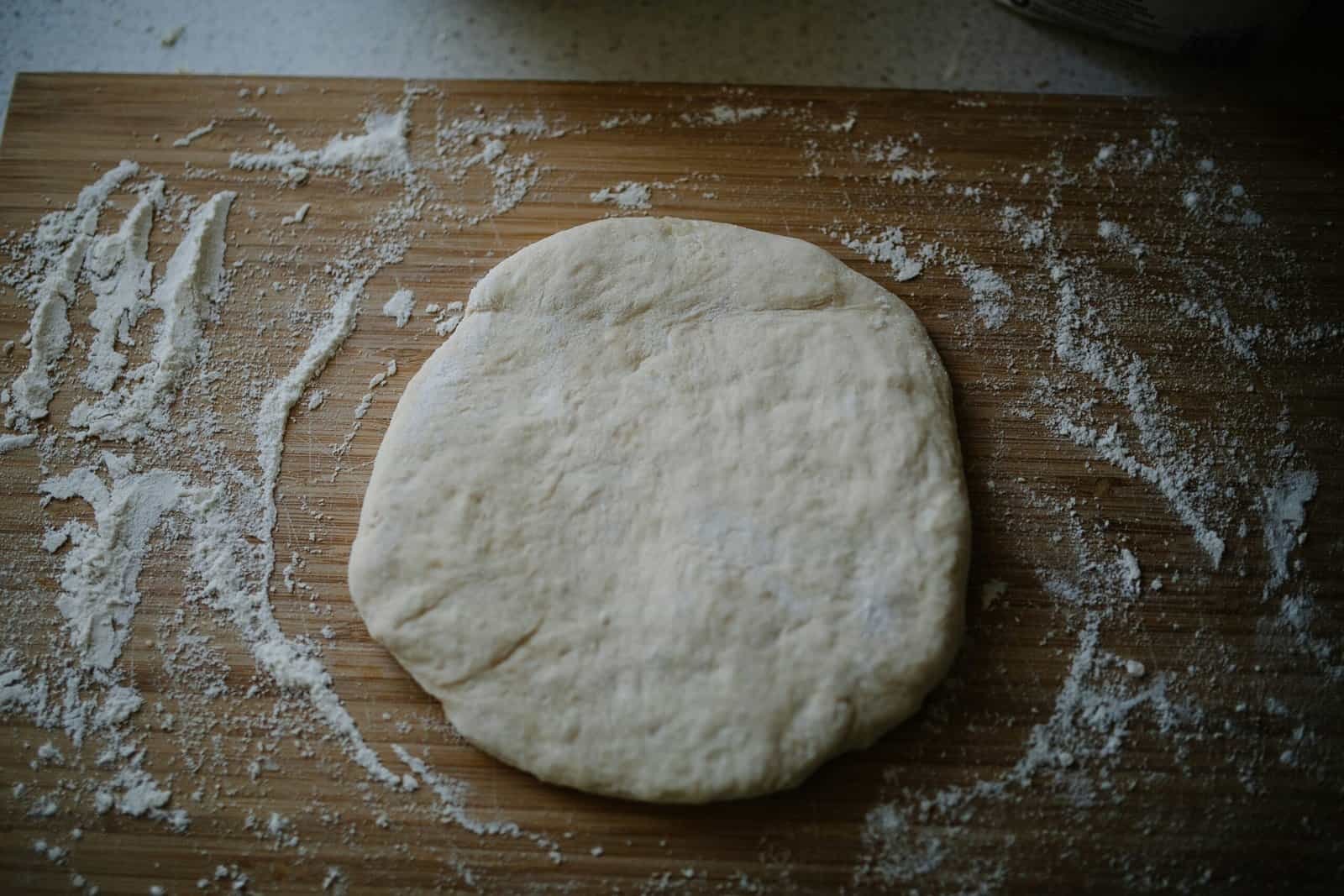
Yeast slows down as temperature drops, and below about 60 degrees Fahrenheit it becomes sluggish enough that dough appears to stop rising altogether. It has not died. It is working at a fraction of the speed it manages at 75 degrees, and a dough that would double in an hour in a warm kitchen might take three or four in a cold one.
The usual mistake is treating slow as failed. People add more yeast, throw the batch out, or move the bowl somewhere hot enough to kill the yeast outright. The actual fix is either giving it time or building a warm spot, and both are straightforward.
What Temperature Does to Yeast
Yeast is a living organism, and its activity about doubles for every 15 degree rise within its working range. That range runs from about 75 to 95 degrees Fahrenheit for active fermentation, with 78 to 82 being a common target for bread.
Below 60 degrees, activity drops off. At refrigerator temperature, around 40 degrees, fermentation all but stops, which is exactly why cold retarding works as a technique. Above 120 degrees the yeast starts dying, and by 140 it is finished.
So a cold kitchen is not a broken kitchen. It is a slow one, and the same dough that fails on a one-hour schedule succeeds on a three-hour schedule with no other change.
Your Water Was Too Cold
Water temperature sets the starting temperature of the whole dough, and in a cold kitchen that starting point matters more than usual. Cold tap water in a cold room produces a dough that begins well below the yeast’s working range and stays there.
Aim for water around 105 to 110 degrees Fahrenheit when the kitchen is cold, which feels warm but not hot on the inside of your wrist. That brings the finished dough into the range where yeast works properly.
Do not go above about 120 degrees. Water hot enough to feel genuinely hot damages yeast on contact, and dough made with it never rises regardless of how long you wait.
Your Flour and Bowl Are Cold
Flour stored in an unheated pantry or a garage can sit ten degrees below room temperature, and a metal bowl pulls heat out of dough faster than a ceramic or plastic one does.
Bringing flour into the kitchen an hour before baking helps. So does rinsing the mixing bowl with warm water and drying it before the dough goes in, which costs nothing and stops the bowl acting as a heat sink.
Cold butter, eggs straight from the fridge, and cold milk all pull the dough temperature down too. Enriched doughs are more sensitive to this than lean bread doughs, since they contain more cold ingredients by volume.
Building a Warm Spot Without an Oven
A closed oven with only the light on produces a gentle warmth that suits proofing well, though LED bulbs give off far less heat than the old incandescent ones did, so check whether yours warms the space at all.
The reliable version is a pan of hot water. Put a bowl or a tray of hot water on the bottom rack, the dough on the rack above, and close the door. That creates a warm humid environment at around the right temperature, and it works in any oven regardless of the bulb.
Other options that work: the top of a running refrigerator, a spot near a radiator but not against it, or a cooler box with a jar of hot water inside. What matters is warm and stable rather than hot, and a proofing box does the same job with a thermostat if you bake often.
You Are Not Giving It Long Enough
Recipe times assume a warm kitchen, usually somewhere around 75 degrees. In a kitchen at 62 degrees, every stated time is optimistic by a wide margin.
Judge by the dough rather than the clock. Bulk fermentation is done when the dough has roughly doubled and feels airy and domed. The poke test tells you about the final proof: press a floured finger into the dough about half an inch, and if the indent springs back slowly and partially, it is ready. Springing back fast means it needs more time.
A cold kitchen dough that has taken four hours and looks right is fine. A dough that has taken four hours and barely moved points at something else on this list.
Your Yeast Is Dead or Expired
Before blaming the kitchen, confirm the yeast is alive. Dissolve a teaspoon of yeast and a pinch of sugar in warm water and wait ten minutes. Active yeast produces visible foam. Nothing happening means the yeast is finished, and no amount of warmth will help.
Yeast loses potency over time, and opened packets stored at room temperature degrade fastest. Refrigerating or freezing opened yeast in an airtight container extends its life considerably.
Salt kills yeast on direct contact, so a recipe where salt and yeast were mixed together dry before liquid was added can produce a dough that never rises even with fresh yeast and a warm room.
Cold Kitchen Rising by Bread Type
Standard yeasted bread
Warm water, a warm spot, and patience cover it. Expect double or triple the stated rise time at 60 to 65 degrees.
Sourdough
Wild yeast is more temperature-sensitive than commercial yeast, and a cold kitchen slows a starter dramatically. Feeding schedules stretch out, and bulk fermentation can run many hours longer than a recipe suggests.
Enriched dough
Butter, eggs, and sugar all slow yeast activity independently of temperature, so a cold kitchen compounds an already slow dough. These benefit most from a deliberately warm proofing spot.
Bread machine dough
Machines heat during the rise cycle, which removes the ambient temperature problem, and cold ingredients still start the cycle low. Using warm water and room-temperature flour helps, and troubleshooting a dense loaf is covered in dense bread machine loaves.
How to Get Cold Dough Rising
Work through these in order.
Test the yeast if you have any doubt. Use water at 105 to 110 degrees. Warm the bowl and bring the flour to room temperature. Build a warm proofing spot with a tray of hot water in a closed oven. Then give it as long as it takes, judging by the dough rather than the recipe.
Most cold-kitchen problems resolve at steps two and four, and the fifth is where impatience does the most damage.
Should I Use More Yeast in a Cold Kitchen?
You can, and it is the wrong lever most of the time. More yeast produces a faster rise and a yeastier flavor, and it skips the slow fermentation that develops taste and structure in bread.
Time is the better trade. A long slow rise in a cool kitchen produces better bread than a fast rise in a warm one, which is why cold retarding in the fridge overnight is a deliberate technique rather than a workaround. If your kitchen is cold, you are closer to that method than you might think.
A Quick Troubleshooting Order
Proof the yeast to confirm it is alive. Warm the water to 105 to 110. Warm the bowl and the flour. Keep salt away from direct contact with yeast. Build a warm spot with hot water in a closed oven. Judge readiness by the dough, not the clock.
Six steps, and if the dough still refuses after all of them, the yeast was the problem rather than the temperature.
Slow Rise Versus No Rise
A slow rise looks like dough that has grown a little over two hours and is still moving. That needs warmth and time, and it will get there.
No rise looks like dough that is the same size after three hours as it was at the start, with no doming and no airiness. That points at dead yeast, salt contact, or water hot enough to have killed the yeast when mixing. Warmth will not fix any of the three, and the batch needs starting again.
Related Reading
- rise failures across all conditions
- baskets for the final proof
- setting up a baking space
- jars for keeping a starter
- mixers for kneading dough
- checking what your oven actually reads
- machines that control rise temperature
- keeping the finished loaf
Frequently Asked Questions
What temperature does dough need to rise?
Yeast works best between about 75 and 95 degrees Fahrenheit, with 78 to 82 a common target. Below 60 it slows down hard, and above 120 the yeast starts dying.
How long should dough take in a cold kitchen?
Two to three times the stated recipe time is normal at 60 to 65 degrees. Judge by whether the dough has doubled and feels airy rather than by the clock, since ambient temperature changes everything.
Can I put dough somewhere warm to speed it up?
Yes, within limits. A closed oven with a tray of hot water on the rack below works well. Avoid anything hot enough to feel warm to the touch on the bowl, since heat above 120 degrees damages yeast.
How do I know if my yeast is dead?
Dissolve a teaspoon in warm water with a pinch of sugar and wait ten minutes. Active yeast produces visible foam. If nothing happens, the yeast is finished and warmth will not rescue the dough.
Should I add extra yeast when it is cold?
It works and it costs flavor, since a fast rise skips the fermentation that develops taste. Extra time produces better bread than extra yeast, and a cold kitchen is closer to a deliberate slow ferment than to a problem.
Will cold dough rise in the fridge?
Slowly, which is the point of cold retarding. Fermentation all but stops at refrigerator temperature, so dough can rest overnight and develop flavor without over-proofing, then finish rising at room temperature the next day.
