
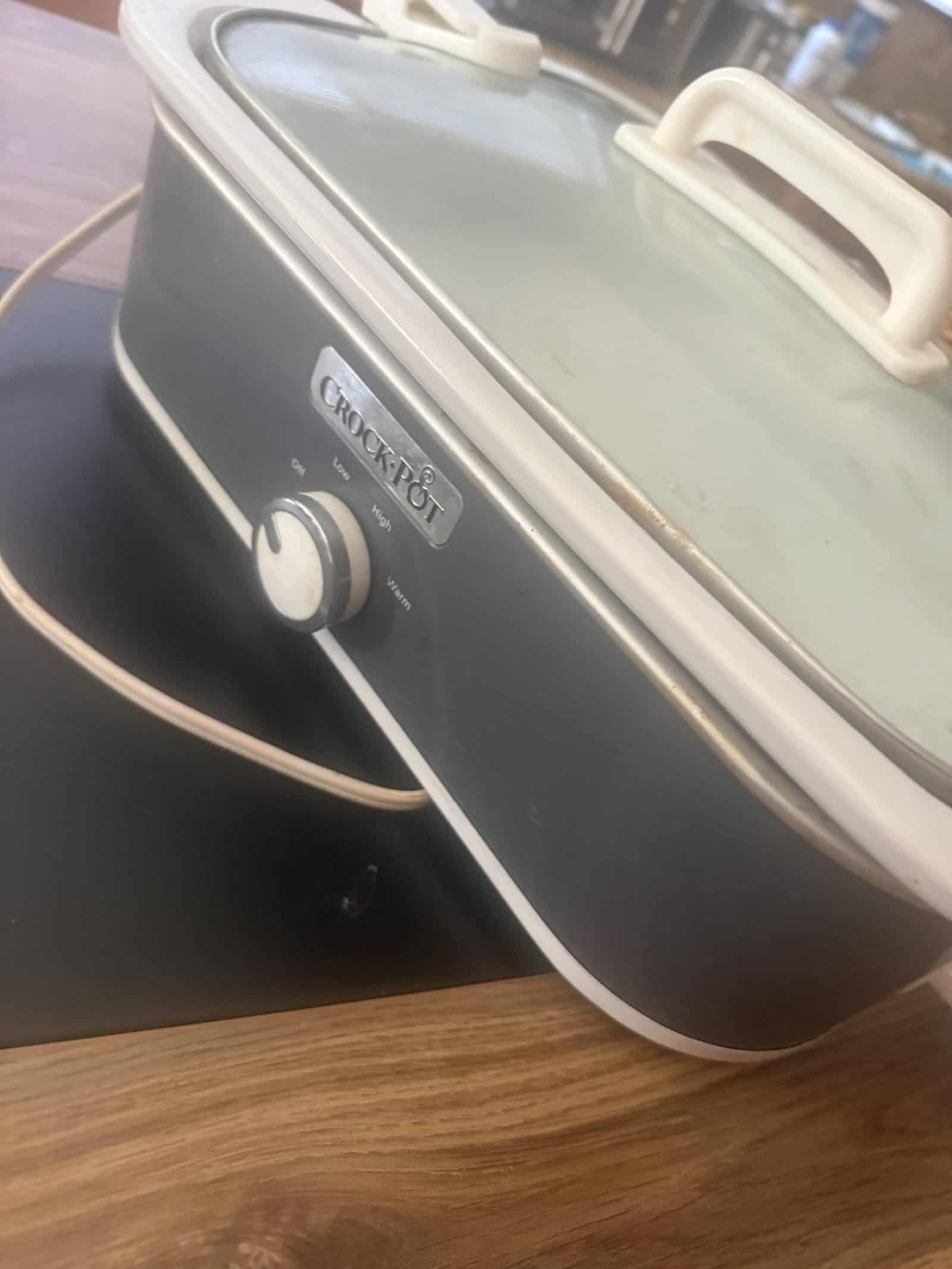
No, and it does improve the result. Browning creates flavor compounds through the Maillard reaction that a slow cooker cannot produce on its own, since nothing inside a sealed pot gets hot enough or dry enough for that reaction to happen.
Whether that difference justifies an extra pan depends on the dish. Heavily spiced stews and chilis mask it, and a simple beef braise with few other ingredients is where it shows most.
Quick Answer
Skip it for chilis, curries, and anything heavily seasoned. Do it for plain braises, pot roasts, and dishes where the meat is the main flavor. It never hurts and it costs a pan and ten minutes, which is the whole argument against it.
Key Points
- Slow cookers cannot brown, since the environment is wet and below the required temperature
- Browning adds flavor compounds rather than sealing in juices
- The difference is largest in simply seasoned dishes
- Heavily spiced dishes mask it almost entirely
- It does not affect food safety either way
- Deglazing the pan recovers the flavor stuck to it
When It Matters Most
| Dish | Worth browning | Why |
|---|---|---|
| Beef pot roast | Yes | Meat is the main flavor |
| Plain braise | Yes | Few competing flavors |
| Chili | Rarely | Spices dominate |
| Curry | Rarely | Aromatics dominate |
| Pulled pork | Optional | Sauce carries most of it |
| Chicken thighs | Yes for skin | Skin will not crisp otherwise |
| Ground meat | Yes | Texture and draining fat |
What Browning Actually Does
The Maillard reaction happens between amino acids and sugars at high temperature on a dry surface, producing hundreds of flavor compounds that were not there before.
A slow cooker runs well below the temperature required and the environment is wet, so those compounds never form no matter how long the cook runs.
The old explanation that browning seals in juices is not accurate. Seared meat loses moisture at roughly the same rate, and the benefit is flavor rather than moisture retention.
Ground meat is a partial exception, where browning also breaks it up and lets you drain fat that would otherwise pool in the finished dish.
Whether I Bother
Sometimes I brown it and most of the time I do not.
You can taste a difference, and not enough that I would rule out placebo. That is the honest version rather than claiming it transforms a dish.
Which tells you something about the size of the effect in ordinary home cooking. If it were dramatic I would notice it clearly and do it every time.
So my practical position is that it is worth doing when there is a pan out anyway and not worth adding a step for, and dishes I make have generally come out fine either way.
My experience covers home slow cooking, mostly full batches for leftovers. It does not cover restaurant technique or dishes where the meat is the sole component with minimal seasoning.
The Case for Doing It
Flavor depth
The compounds are real and they add a savory quality that a slow cook alone does not produce. Most noticeable in simply seasoned dishes.
Appearance
Meat that goes in raw comes out gray. It tastes the same and it looks considerably worse, which matters if anyone else is eating.
Rendering fat
Browning fatty cuts and ground meat lets you pour off fat that would otherwise sit on the surface of the finished dish.
Fond in the pan
The browned residue stuck to the pan is concentrated flavor. Deglazing with stock or wine and adding that liquid to the pot is where a lot of the benefit actually comes from.
What Slow Cooking Does Instead
The reason skipping browning works at all is that the long cook is doing different work, and that work matters more for tough cuts.
Collagen in connective tissue breaks down into gelatin across hours of low heat, which is what turns chuck or shoulder from chewy into tender. Nothing about searing contributes to that.
Flavors also merge and deepen over a long cook as aromatics release into the liquid and ingredients absorb each other. That produces a rounded result even without the Maillard compounds.
Which is why a slow cooker dish made without browning is not a compromised version of a braise. It is a different balance, with tenderness and melded flavor doing the work that a hard sear would have contributed.
The Case for Skipping It
The main appeal of a slow cooker is putting ingredients in and leaving. Adding a pan step removes part of that.
It also adds washing up, which matters more than it sounds for anyone whose reason for using a slow cooker is minimal effort.
In heavily spiced dishes the effect is genuinely hard to detect. Chili, curry, and anything with strong aromatics carry their own flavor development.
And for tough cuts cooked long enough, the tenderness that people associate with a good braise comes from collagen breaking down over hours rather than from anything that happens in the first ten minutes.
Food Safety Is Not the Reason
Browning does not make meat safer. A slow cooker reaching and holding proper temperature cooks meat thoroughly whether it was seared or not.
What matters for safety is the pot reaching temperature promptly, which is why frozen ingredients are the actual concern rather than raw surfaces, covered in frozen meat in a slow cooker.
Fill level affects that too, since an overfilled pot heats more slowly, covered in how full a slow cooker should be.
Doing It Efficiently
Use one pan and do the meat in batches, since crowding drops the temperature and the meat steams instead of browning.
Pat the surface dry first. Wet meat spends its time boiling off moisture rather than browning, which is why meat straight from a marinade browns badly. Getting a clean sear is its own skill, and our guide on browning ground meat without sticking covers pan heat and when to leave it alone.
Deglaze while the pan is hot and scrape everything into the slow cooker. That step recovers most of the flavor and it takes thirty seconds.
Some slow cookers have a sear function in the base, which removes the separate pan entirely. Options sit in programmable slow cookers, and multi-cookers that do both sit in Instant Pot against slow cooker.
Worth Doing Against Not
Worth doing for pot roasts, plain braises, ground meat, and anything where meat is the dominant flavor. Also worth it whenever a pan is already out for another reason.
Not worth it for chilis, curries, and heavily spiced dishes where the difference is hard to detect, or when the reason you are using a slow cooker is to avoid extra steps. The dish will be good either way, and what suits the pot generally sits in what to cook in a slow cooker.
Related Reading
- dishes that suit the pot
- managing liquid
- fill levels
- the oven alternative
- pans that brown well
- machines that sear and slow cook
Frequently Asked Questions
Do you have to brown meat before slow cooking?
No. It improves flavor in simply seasoned dishes and it is not required for safety or for the meat to cook properly. Heavily spiced dishes mask the difference almost entirely.
Does browning seal in juices?
No, that explanation is inaccurate. Seared meat loses moisture at roughly the same rate, and the actual benefit is the flavor compounds produced by the Maillard reaction.
Which dishes benefit most?
Pot roasts, plain braises, and anything where meat is the dominant flavor. Ground meat also benefits, since browning lets you drain fat and improves texture.
Is it unsafe to put raw meat straight in?
No. A slow cooker reaching and holding proper temperature cooks meat thoroughly. Frozen ingredients are the genuine safety concern rather than unseared surfaces.
What is the fond and does it matter?
The browned residue stuck to the pan, and it is concentrated flavor. Deglazing with stock or wine and adding that to the pot recovers much of the benefit of browning.
Can I brown in the slow cooker itself?
Only if it has a sear function in the base, which some models do. Standard ceramic inserts do not reach the temperature required.
Why did my meat not brown properly?
Usually crowding or moisture. A packed pan drops in temperature and the meat steams, and a wet surface spends its time boiling off water rather than browning.
A pan for searing is its own equipment question. cookware worth owning covers what to buy.
