
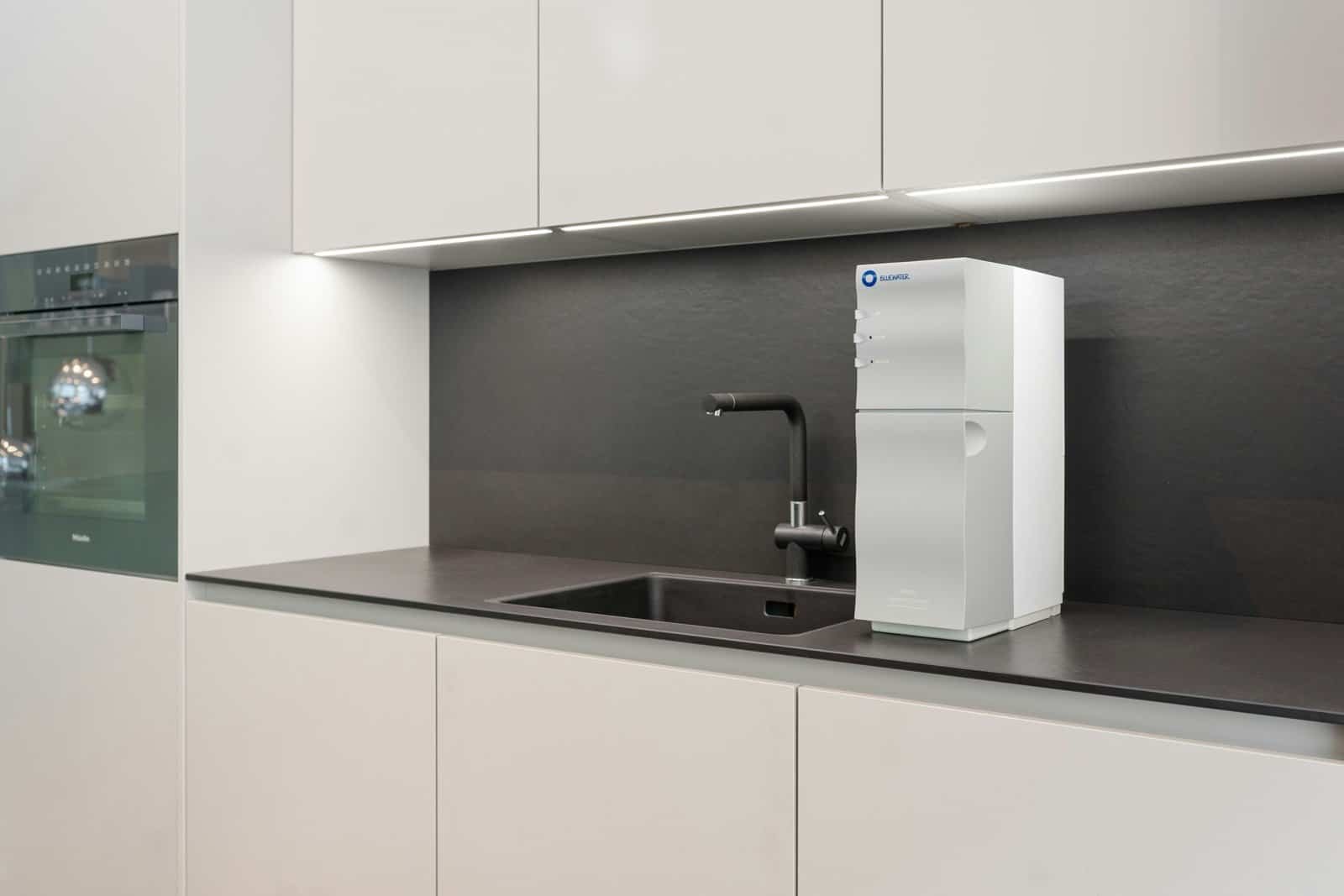
You fill a glass from the tap and catch that faint chlorine smell again. A countertop water filter sits beside your sink and cleans every glass without a plumber or a permanent install. The right one comes down to gravity versus reverse osmosis, how much counter space you have, and how much filtering you actually need.
Quick verdict: For hands-off gravity filtering with no hookup, the Big Berkey leads. For the deepest purification on a counter, the AquaTru Countertop Reverse Osmosis is the standout.
Disclosure: SmartLifeItems is reader-supported. As an Amazon Associate, we earn from qualifying purchases made through links on this page, at no extra cost to you.
How We Picked the Best Countertop Water Filters
We weighed filtration method, what each system reduces, counter footprint, and how simple it is to live with day to day. A countertop filter has to clean water well while fitting a real kitchen, so we balanced performance against size and upkeep.
We split the field into gravity units that need no plumbing and reverse-osmosis systems that connect to your faucet. Each approach suits a different kitchen and water concern.
We also looked at upkeep, since a filter you forget to maintain stops protecting you. Clean water also helps appliances like a countertop ice maker run cleaner and taste better.
We favored systems with clear, certified filtration claims, since water quality matters. If a pitcher fits your needs better, our guide to water filter pitchers covers that simpler route.
1. Big Berkey Gravity-Fed Filter
Why It Stands Out
The Big Berkey pours water through gravity, so it needs no faucet hookup or power. You fill the top chamber and clean water collects below. For renters and off-grid kitchens, that independence is the draw.
Worth Knowing
The stainless body takes up real counter or shelf space. The elements need priming and occasional care to keep flow steady. It filters in batches rather than on demand.
This suits a renter or large household that wants filtering without touching the plumbing. Skip it if your counter is tight or you want instant filtered water from a tap. A family that refills a tall dispenser each morning and pours all day is the ideal fit.
Set it where it will not crowd your prep zone, since the dispenser stays put. A spot near the sink during a kitchen deep clean is easy to wipe around.
Good to know: prime new elements fully before first use so flow stays strong. A quick rinse of the chambers now and then keeps everything fresh.
2. AquaTru Countertop Reverse Osmosis
Why It Stands Out
AquaTru runs a multi-stage reverse-osmosis process from a self-contained countertop unit. It reduces a wide range of contaminants without a permanent install. For the deepest purification you can plug in, it leads.
Worth Knowing
It has a larger footprint than a simple filter pitcher. Reverse osmosis produces some wastewater as part of the process. Replacement filters are an ongoing cost to plan for.
This suits someone who wants thorough purification but cannot or will not plumb in an under-sink system. Skip it if counter space is scarce or your water is already clean. A household worried about specific contaminants who rents their home fits it well.
The countertop format means you can take it with you when you move. That portability is a real plus for anyone who rents.
Good to know: change the filter stages on schedule to keep the system performing. Keep the storage tank topped up so you always have purified water ready.
3. APEC RO-CTOP Countertop Reverse Osmosis
Why It Stands Out
The APEC RO-CTOP connects to most standard faucets for reverse-osmosis filtering on demand. It delivers strong purification without drilling or under-sink work. For RO that taps your existing faucet, it is a clean pick.
Worth Knowing
It needs a compatible faucet to attach the diverter. The tubing and unit sit out on the counter while in use. Like all RO, it sends some water to drain.
This suits a renter who wants real reverse osmosis but no installation. Skip it if your faucet style will not take the adapter. Someone in an apartment who wants RO water without modifying anything is the natural buyer.
The diverter switches between filtered and unfiltered water at the faucet. That lets you save the filter for drinking and cooking rather than dishwashing.
Good to know: check your faucet threads against the included adapters before buying. Disconnect and store the unit if you need the full sink for big tasks.
Recommended read: Filtered water makes everything better. See our guides to electric kettles and cold brew coffee makers.
4. Brondell H2O+ Cypress Countertop
Why It Stands Out
The Brondell Cypress connects to a faucet and runs water through multiple filter stages. It targets taste and common contaminants without reverse osmosis or wastewater. For a faucet-connected filter that is simpler than RO, it works well.
Worth Knowing
It does not purify as deeply as a reverse-osmosis system. The unit and diverter sit on the counter during use. Filter changes follow a regular schedule.
This suits someone who wants better-tasting, cleaner water without RO complexity or waste. Skip it if you need the deepest contaminant removal. A coffee and tea drinker who mainly wants to improve taste fits it best.
Good to know: match the diverter to your faucet before ordering. Replace the cartridges on time so taste and flow stay consistent.
5. Waterdrop Countertop Reverse Osmosis
Why It Stands Out
The Waterdrop countertop RO unit aims for strong purification in a compact, plug-in design. It suits smaller kitchens that still want reverse osmosis. For RO in a tighter footprint, it stands out.
Worth Knowing
Compact RO still needs counter space and power. It produces some wastewater like any RO system. Plan for replacement filters over time.
This suits a small household that wants RO water without a large unit or installation. Skip it if you have plenty of room and prefer a bigger reservoir. A couple in a compact apartment who want purified water on the counter fits it well.
Good to know: sit it near an outlet and the sink to keep the setup tidy. Follow the filter-life indicator so performance never slips.
6. ProOne Big+ Gravity Filter
Why It Stands Out
The ProOne Big+ is a gravity system in the Berkey mold, with its own filter elements. It pours clean water with no power or plumbing. For a gravity alternative, it is a solid choice.
Worth Knowing
Like other gravity units, it takes counter or shelf space and filters in batches. The elements need care to keep flow up. Capacity suits steady household use rather than instant single glasses.
This suits someone who wants a gravity dispenser and likes the ProOne element design. Skip it if you want on-demand filtered water from the tap. A household that keeps a dispenser on the counter for all-day pouring is the right match.
The element design is the main difference from a Berkey, so compare filter life and cost. Both gravity systems work the same way in daily use.
Good to know: prime the elements before first use for full flow. Refill the top chamber before it empties so clean water is always ready.
How to Choose a Countertop Water Filter
A few decisions point you to the right system. Work through these before buying.
Know Your Water
Start with what is actually in your water, since that shapes the filter you need. A local water quality report tells you which contaminants matter. Match the system to your real concerns rather than guessing.
Gravity or Reverse Osmosis
Gravity units need no hookup and suit renters and off-grid kitchens. Reverse osmosis purifies more deeply but connects to a faucet and uses some water. Pick the method that fits your install limits and water goals.
Counter Space
These systems live on the counter, so measure the spot before you buy. Gravity dispensers are tall, while RO units are boxy. A filter that crowds your prep area will frustrate you daily.
Certified Filtration
Look for filtration that is independently certified for the contaminants you care about. A certification mark backs up the marketing claims. It is the clearest signal a filter does what it says, rather than a vague promise. Match the certification to the contaminant you actually care about.
Filter Cost and Upkeep
Every system needs replacement filters, so factor that ongoing cost in. Cheaper hardware with pricey filters can cost more over time. Check the filter life and price before committing.
Gravity Filters vs Reverse Osmosis
The two main countertop approaches suit different kitchens. Here is the quick split.
Gravity Filters
Gravity units need no plumbing or power and filter in batches. They suit renters, large pours, and off-grid use. The trade-offs are footprint and slower, batch-based filtering.
Reverse Osmosis
RO systems connect to a faucet and remove a wider range of contaminants. They suit people worried about specific impurities. The costs are some wastewater and a larger unit.
A simple rule helps here. Choose gravity if you cannot touch the plumbing, and reverse osmosis if your main worry is specific contaminants.
Common Countertop Filter Mistakes to Avoid
A few errors undercut an otherwise good setup. Watch for these.
Buying Before Testing Your Water
Choosing a filter without knowing your water can target the wrong problem. Read your water report first, then match the system to it.
Ignoring Filter-Change Schedules
A filter past its life cleans poorly and can harbor buildup. Track the schedule and swap cartridges on time.
Overlooking Faucet Compatibility
Faucet-connected units need the right adapter to attach. Check your faucet style before buying a diverter-based system.
Underestimating the Footprint
A unit that looks small online can dominate a counter. Measure your space so the filter fits where you actually want it.
Decision Matrix
Prices shift often, so confirm current cost before buying. This matrix maps common kitchens to the filter that fits.
| Your kitchen | Big Berkey gravity | AquaTru RO | APEC faucet RO |
|---|---|---|---|
| Renter, no plumbing | Best fit | Best fit | Workable |
| Deep purification | Workable | Best fit | Best fit |
| Tight counter space | Skip | Workable | Workable |
| Large daily volume | Best fit | Workable | Workable |
Frequently Asked Questions
What is the best countertop water filter?
For hands-off gravity filtering, the Big Berkey leads, while the AquaTru offers the deepest countertop purification. The best one depends on whether you want gravity or reverse osmosis and how much counter space you have. Start with what is in your water.
Do countertop water filters need installation?
Gravity units need no installation at all, while faucet-connected models attach with a simple diverter. Neither requires a plumber or drilling. That makes them popular with renters.
Gravity filter or reverse osmosis?
Gravity filters need no hookup and suit renters and large pours, while reverse osmosis purifies more deeply through a faucet connection. Choose gravity for simplicity and RO for the widest contaminant removal. Both sit on the counter.
Does reverse osmosis waste water?
Yes, RO systems send some water to drain as part of purifying the rest. The ratio varies by system. Gravity filters avoid this but filter less deeply.
How often do I change the filters?
It depends on the system and your water, with each maker listing a schedule or filter-life indicator. A filter past its life cleans poorly. Track the schedule and replace on time.
Are countertop filters certified?
Many are independently certified for specific contaminants, which backs up their claims. Look for a certification mark that matches your concern. It is the clearest proof of performance.
Will a countertop filter fit my space?
Gravity dispensers are tall and RO units are boxy, so measure your counter first. A unit that looks compact online can crowd a small kitchen. Pick a size that fits where you want it.
Where can I learn more about drinking water quality?
The EPA and NSF publish guidance on drinking water and filtration certification.
Related Reading
Explore more: countertop compost bins, how to choose a water filter, immersion vs countertop blender, why salt pasta water, and smart water leak detectors. Also explore: humidifiers.
Recommended Reading
See also our guides to countertop compost bins.
