
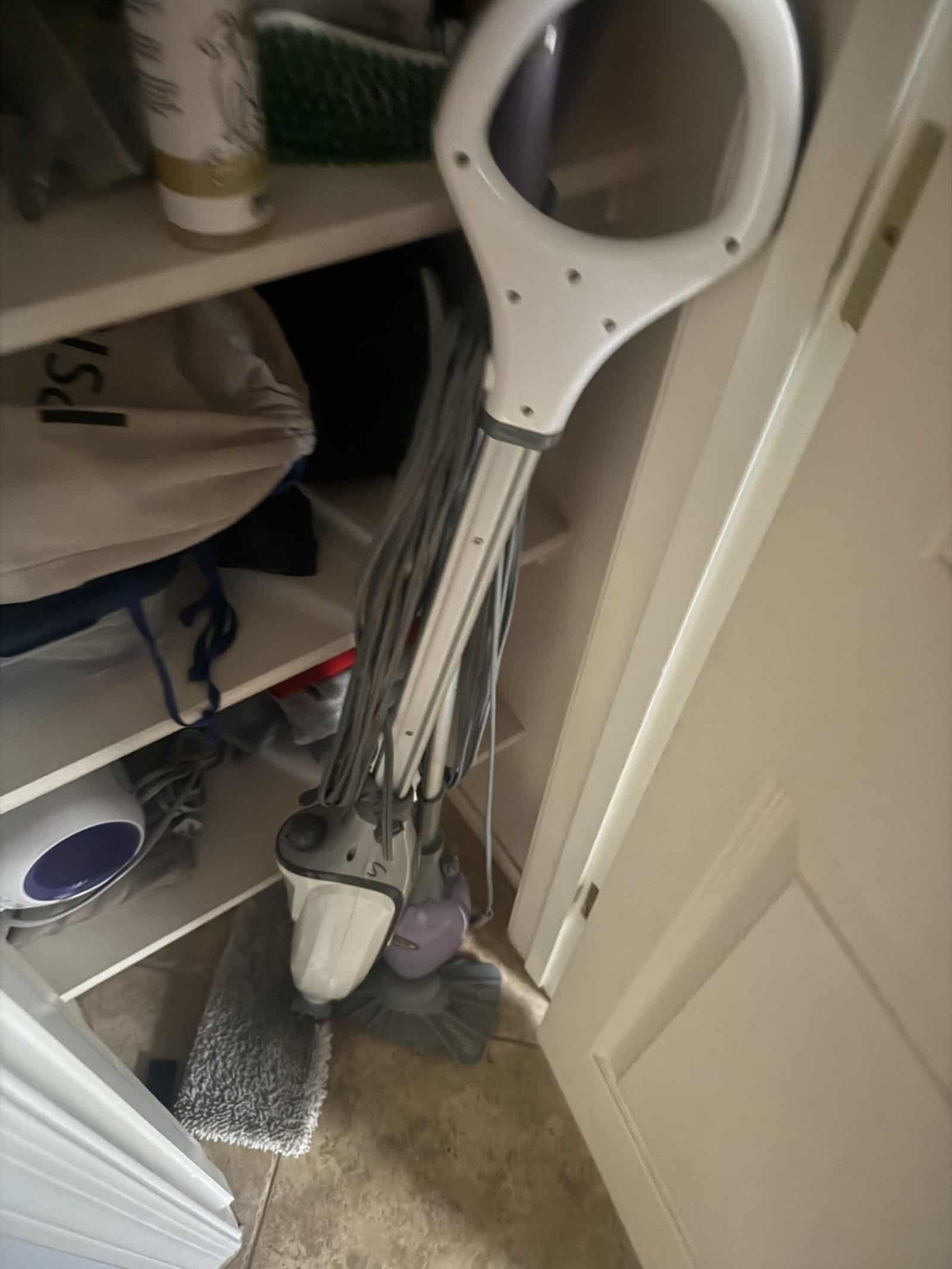
Many hardwood manufacturers advise against steam mops, and some warranties exclude steam damage, so the honest answer depends on the finish and on how the mop is used rather than being a flat yes. So can you use a steam mop on hardwood at all? Yes, in the sense that plenty of people do it, and no, in the sense that the floor’s maker would rather they did not.
That tension is real, and this guide will not smooth it over. Official guidance and everyday practice point in different directions. The same heat and moisture question turns up elsewhere in the house, which is why readers also ask about cleaning a couch without a steam cleaner.
Quick Answer
Hardwood manufacturers widely discourage steam mops, because heat drives moisture into the finish and down into the seams. A well sealed modern floor usually tolerates brief, light passes, while older, waxed, or thin wear layer floors carry real risk. Check that floor’s own warranty before you decide.
Key Takeaways
- Many flooring makers advise against steam, and some warranties exclude steam damage outright.
- The risk is not water sitting on top, but heat pushing moisture into the finish and seams.
- Sealed, well finished floors handle occasional steam better than older or waxed ones do.
- Engineered boards with a thin wear layer sit at the high risk end.
- Cloudiness or haze in the finish is the common cosmetic outcome, not ruined wood.
- Technique carries most of the risk: lowest setting, a damp pad, constant movement, a dry pass after.
| Floor type or finish | Steam mop advisable? | What can go wrong |
|---|---|---|
| Solid hardwood, modern polyurethane finish | Sometimes, with careful technique | Cloudiness in the finish, and moisture working into the seams. |
| Older or waxed finishes | No | Heat softens and smears the wax, leaving dull patches. |
| Engineered hardwood, thin wear layer | Not advised | Layers can swell or separate, and a thin veneer leaves nothing to sand. |
| Laminate | No | Water wicks into the core through seams, and swollen edges stay swollen. |
| Luxury vinyl plank | Check the maker’s care sheet first | Heat can soften adhesive or lift edges on glue down installs. |
| Tile and sealed stone | Generally yes | Grout can erode with repeat steaming, and some stone sealers dislike heat. |
| Any floor with gaps or lifting seams | No | Steam reaches the subfloor directly, and boards cup or lift further. |
Risk tracks the finish and the seam condition more closely than the name of the material.
What I Actually Do
The floor in the apartment I live in is hardwood through the living space. I use a steam mop on that hardwood. I have used a steam mop on it for years, and there is a little cloudiness.
That is the extent of it. The cloudiness is little, and years is as exact as the timeline gets. Carpet shows up in the bedrooms only, so the steam mop never goes near it.
One low pile area rug sits over the hardwood, and I do not use a rug pad under it. The hardwood stays visible around the edges of that rug.
This part is worth saying plainly. It is one floor over one span of time, not a controlled comparison, and it settles nothing. The manufacturer position set out above stands regardless of what one floor looks like after years of steam.
Why Steam Behaves Differently From a Damp Mop
Steam is not simply hot water sitting on a surface. Pressure and heat push vapor into every small opening a floor has: the pores of the finish, the joints between boards, and any place the coating has worn thin.
A damp mop leaves water on top, where it evaporates or gets wiped away. Steam drives moisture sideways and downward instead, into layers never meant to get wet.
Wood swells as it takes on moisture and shrinks again as it dries. Repeat that cycle often enough and board edges can cup or lift. Heat also softens some finishes briefly, which is when they mark most easily.
Why Sealed Floors Tolerate Steam Better Than Waxed Ones
A modern polyurethane coating works as a barrier over the wood. Water beads on it instead of soaking in, at least while the coating stays intact. That barrier is why some floors take years of steam and show nothing worse than a haze.
Wax behaves differently, since it sits softer and reacts to heat quickly. Steam can soften it, smear it, and leave a patchy dull look behind.
Older site finished floors fall somewhere in between. Many were coated with products that have worn thin at doorways and traffic paths. Steam finds those thin spots first, and the wood there has no protection.
Engineered Hardwood and Thin Wear Layers Carry the Most Risk
Engineered boards use a real wood top layer over a core of plywood or fiberboard. That layer runs anywhere from generous to very thin, and a thin wear layer leaves no margin.
Moisture reaching the core is the bigger worry. Glue lines weaken and layers separate, which shows up as a soft spot underfoot. Sanding rarely helps, because there is not enough wood on top.
Engineered and laminate products also draw the most direct warnings in care instructions. If the wear layer is thin, steam becomes hard to justify at all.
Can You Use a Steam Mop on Hardwood Without Voiding the Warranty?
Sometimes, but the only place that answer lives is in the paperwork for that specific floor. Warranty language on steam ranges from total silence to an outright exclusion, and some documents drop finish coverage for any moisture damage at all.
Start by finding the installation and care sheet that came with the floor. If it is gone, the manufacturer usually posts care instructions by product line online.
Read for four words: steam, moisture, wet mopping, and excessive water. If the sheet rules out steam, using steam becomes a choice made with open eyes.
Cloudiness, Hazing, and What Early Trouble Looks Like
The outcome people describe most often is not a ruined floor. It is a milky or cloudy look in the finish, usually called hazing, and the coating rather than the wood is what changed.
Hazing happens when moisture gets trapped in or just under the finish. It looks worse in low light and better once the floor dries. Some of it fades, and some of it stays.
Real trouble announces itself at the edges. Watch the seams between boards, the ends of boards, and the areas near vents and doorways. Raised edges, a lip you can feel underfoot, or dark lines along joints all mean water is getting in.
Can You Use a Steam Mop on Hardwood More Safely?
Technique changes the risk more than any other factor. The aim is the least moisture for the shortest time.
Use the lowest steam setting the machine offers. Keep the head moving at all times, and never let it rest in one place. Dwelling for even a few seconds is how a single spot picks up a mark.
Work in small sections and go over each one once. Follow with a dry microfiber pass to lift whatever moisture is left. A floor still visibly wet after the mop has passed was far too wet.
The pad does as much work as the settings do. A soaked pad lays down a film of water that then has time to sit, while a damp pad releases far less.
Swap pads once they stop feeling damp and start feeling wet. Our roundup of the best steam mops flags which models offer a genuine low setting, which matters more on wood than raw output.
What to Use Instead, and the Limits of Any General Answer
Sweeping and vacuuming remove most of what makes a floor look dirty. Grit is what scratches, and none of it needs steam to lift.
For anything that truly needs moisture, a barely damp microfiber mop and a cleaner made for finished wood handle it. Water should never pool or streak behind the mop head.
Cutting down on traffic wear helps as well. Runners and a rug in the main sitting area absorb the worst of it, though picking the right rug size and deciding whether furniture belongs on the rug both change how much floor stays exposed.
Here is the honest limit of all of this. No article can tell you what your specific floor and finish will tolerate, because finish age, wear, seam condition, and installation quality all differ. The only authority on the warranty is the documentation for that floor.
Recommended Reading
If steam is off the table for a floor, our guide to robot vacuum and mop combos covers the low moisture end of cleaning. For quick pickups, see our picks for cordless vacuums in smaller spaces. If steam appeals more for fabric than floors, our steamer and iron comparison is the better start.
Frequently Asked Questions
Can you use a steam mop on hardwood safely?
Sometimes, and the answer depends on the floor far more than on the mop. A well sealed modern finish with tight seams tolerates brief, light passes better than a waxed floor. Many manufacturers still advise against steam and some exclude it from warranty coverage, so read that floor’s care sheet first.
Will a steam mop ruin hardwood floors?
Ruin is stronger than what usually happens. The common outcome is cloudiness or haze in the finish rather than damaged wood underneath. Actual damage tends to appear where moisture can get past the finish, which means open seams, worn traffic paths, and the ends of boards.
How can you tell whether a hardwood floor is sealed well enough?
Watch how water behaves on it. Put a few drops in a low traffic spot and wait a couple of minutes; beading means the finish still works, while darkening or soaking in means it does not. Check doorways and traffic paths separately, since those wear through first.
Does using a steam mop void a hardwood warranty?
It can, and the wording differs by product. Some warranties exclude any moisture or steam damage, some say nothing about steam, and a few allow light steam with conditions. The care documentation for that floor is the only place to settle it, and manufacturers usually post those sheets by product line.
What is the cloudy film left behind after steam mopping?
That milky look is usually moisture trapped in or just beneath the finish, often called hazing. Some of it clears as the floor dries fully over a day or two. Whatever remains is generally a change in the coating rather than in the wood itself.
Is a steam mop safe on engineered hardwood?
Engineered floors sit at the higher risk end, especially with a thin wear layer. Moisture reaching the core can weaken glue lines and separate the layers, and a thin veneer leaves little to sand or repair afterward. Care instructions for engineered products often rule out steam in plain terms.
What should you use on hardwood instead of steam?
Start dry, because sweeping and vacuuming remove the grit that actually scratches a finish. For the rest, a barely damp microfiber mop and a cleaner made for finished wood do the job with far less moisture. Wring the pad until it feels almost dry, and never leave standing water.
