
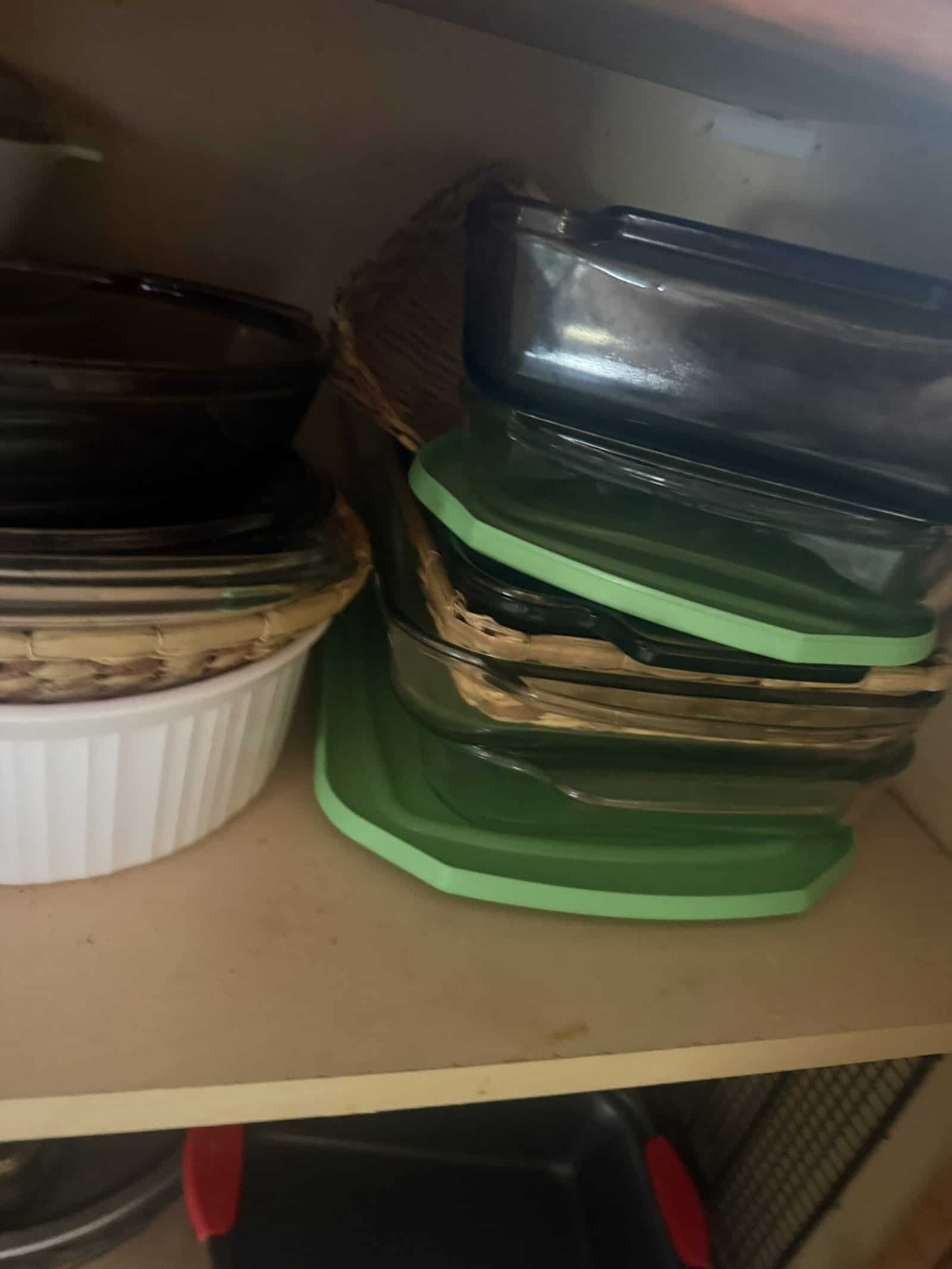
Glass takes reheating, staining foods, and long storage, while plastic takes lunches and anything carried. The glass vs plastic food storage containers question splits by job, not by loyalty. Most kitchens run both.
Weight and reheating habits decide more than the label. Shelf position counts too, so a sensible fridge layout changes how a container performs.
Quick Verdict
Pick glass for leftovers headed to the microwave, for pigmented food like curry, and for anything sitting more than a day. Pick plastic when weight and drop risk rule, so lunches and travel food.
Key Takeaways
- Glass shrugs off stains and odor, so sauces belong there.
- Plastic weighs far less and survives drops.
- Lids fail first, so bases outlive them.
- Square containers beat round ones on a shelf.
How We Compared
This comparison weighs the traits that change daily use: weight, staining, microwave and freezer behavior, oven limits, breakage, lid life, and stacking. Prices stay out, since sets vary too widely.
Glass vs Plastic Food Storage Containers at a Glance
| What matters | Glass | Plastic |
|---|---|---|
| Weight | Heavy empty, heavier full | Light when full |
| Staining and odor | Rinses clear | Holds pigment and smell |
| Microwave behavior | Heats with the food | Grippable, but warps |
| Freezer behavior | Needs headspace | Flexes, then turns brittle |
| Oven use | Only vessels marked oven safe | Never |
| Breakage risk | Chips and can shatter | Survives most drops |
| Lid longevity | Lids are plastic anyway | Gaskets fail first |
| Fridge stacking | Thick walls, bigger footprint | Nests when empty |
Traits that change how a container gets used.
What I Actually Use
Leftovers go in plastic containers. That is what I reach for. Flour and sugar go in plastic containers as well.
Glass in the kitchen I cook in means mason jars. I use mine for storage, and most of the time that means water in the fridge. I do not microwave in them.
I have dropped one before, with no real warp or stain.
After two years of meal prepping and watching three container sets degrade in different ways, I learned that the brand on the box mattered less than the material and the lid design. So this comparison stays on material and lids.
What I cannot speak to is reheating, oven use, or lidded rectangular glass sets. Those come from research rather than from things I do.
Glass Containers, Pros and Cons
PROS
- Stays clear after tomato, curry, or turmeric.
- No odor carries into the next meal.
- Reheats without warping, so lids keep seating.
- Some vessels carry an oven safe rating.
CONS
- Heavy enough to load a lunch bag.
- Chips at the rim and can shatter.
- Cracks in a freezer without headspace.
- Thick walls eat shelf space.
Best for: reheated leftovers, spiced food, and kitchen storage.
Skip glass for school lunches and anything a child carries. Bakeware follows other rules, as a glass pan against a metal one shows.
Plastic Containers, Pros and Cons
PROS
- Light, so a full container barely loads a bag.
- Bounces instead of breaking on the floor.
- Flexes as contents freeze, so full fills forgive.
- Tapered shapes nest tightly.
CONS
- Takes on stain and smell for good.
- Warps and clouds after repeated reheating.
- Goes brittle after long stretches in the cold.
- Never oven safe.
Best for: packed lunches, kid meals, and travel food.
Skip plastic for reheated sauces and long storage. Stained bases still hold dry goods, which is where containers built for pantry storage take over.
Which Is Better for Reheating Leftovers?
Glass wins reheating outright. Plastic does not absorb microwave energy well, so hot food heats it from the inside. Repeated cycles soften the walls until the lid stops seating.
Clouding follows, and it does not reverse. Glass absorbs heat with the food, so it comes out hot and wants a towel. The payoff is a base that holds its shape and its seal.
Oily and sugary dishes run hottest, which is where plastic degrades fastest. Short bursts and a vented lid slow that damage.
Which Resists Staining and Odor?
Glass wins, and it is not close. Tomato sauce, curry, and garlic separate the two materials faster than anything else. Each carries strong pigment or strong aroma, and plastic keeps both.
Pigment settles into the plastic surface rather than on top of it, so scrubbing an orange container changes little. Odor works the same way, and a base that held cut garlic can smell of it weeks later. That smell moves into the next meal.
Glass rinses back to clear glass, so spiced leftovers belong there.
Which Is Better for the Freezer?
Plastic wins the freezer, mostly because it forgives mistakes. Liquid expands as it freezes, and glass filled to the rim gives that expansion nowhere to go. The crack appears overnight.
Cold itself is not the problem, pressure is. Glass works when a quarter of the container stays empty and the lid sits loose until the contents set. Straight sided vessels handle that better than shouldered ones.
Plastic simply flexes, though long cold storage turns thin walls brittle. These storage time guidelines settle how long a portion should sit.
Which Survives Being Carried Around?
Plastic wins transport by a wide margin. Weight is the first reason, since a glass container full of soup turns a light bag heavy. That shows up on a bike or a commute.
Drop risk is the second. Plastic bounces on tile, while glass chips at the rim or breaks and ends the meal. Many schools ban glass in lunch boxes, which settles it early.
Storage that never leaves the kitchen escapes both problems. A padded sleeve helps glass survive a short trip, though the weight stays.
Which Lasts Longer Overall?
Glass wins on lifespan, with one honest caveat. Glass bases do not stain, warp, or lose shape, so they age slowly. Plastic bases get replaced because they discolor and deform, not because they crack.
The caveat is the lid. Glass sets ship with plastic lids, so a glass collection ages at the speed of its plastic parts. A base almost always outlives the thing that closes it.
Replacement lids beat a prettier set with none. Dishwasher heat wears lids fastest, as the notes on washing jars and their lids explain.
Which Fits Your Situation
| If this is you | Better choice |
|---|---|
| Packing lunches for work | Plastic, unless plates wait there |
| Sending food with a kid | Plastic, and check school rules |
| Batch cooking for the week | Glass, since it gets reheated |
| Storing tomato sauce or curry | Glass, because plastic keeps color |
| Reheating straight from the fridge | Glass, with a towel |
| Freezing soup in portions | Plastic, or glass with headspace |
| Short on cabinet space | Plastic, since tapered shapes nest |
Match the container to the trip, not the material.
How to Choose Between Them
Start with the trip a container takes. Fridge to microwave to sink argues for glass, and anything going into a bag argues for plastic.
What goes inside settles the rest. Pigmented dishes push toward glass, while sandwiches barely care.
Mason jar style glass is a third option. Jars suit dry goods and anything poured, yet they reheat poorly. Plenty of everyday jobs for jars avoid heat, and jars slot into a pantry kept in order.
The Verdict
No single winner exists here. Glass wins reheating, stain resistance, odor control, and long storage. Plastic wins weight, drop survival, and nesting.
So split the work by job. Glass handles anything reheated, pigmented, or stored for days, while plastic handles lunches and travel food.
The kitchen I cook in runs on plastic for leftovers and dry goods, with mason jars for storage. That is one setup, not a rule.
Recommended Reading
Next, see containers built for batch cooking, where this split shows plainly. For shelf order, look at bins that group food by type. Empty containers also need cabinet and shelf organizers.
Common Misconceptions
All plastic is unsafe in a microwave
Containers marked microwave safe handle short reheating, and that label speaks to safety rather than looks. Warping still arrives.
Glass cannot go in the freezer
Glass freezes fine when liquid has room to expand. Pressure from expanding ice breaks it, not cold.
A container and its lid last the same length of time
They rarely do. Lids carry the gasket and clips, so they loosen well before a base fails.
Airtight means the same thing on both
A seal counts as airtight only when a gasket presses a flat rim under tension. Snap on lids without gaskets slow air rather than stop it.
Glass vs Plastic Food Storage Containers FAQ
Are glass vs plastic food storage containers better for reheating leftovers?
Glass reheats better in almost every case, since it does not warp, cloud, or take on the color of a sauce. The cost is heat, because glass walls get hot. Plastic holds easier but deforms with every cycle.
Will stained plastic containers ever look new again?
Usually not, because pigment settles into the surface rather than resting on top of it. A baking soda paste or a stretch in direct sun fades it somewhat. Once a base is deeply stained, move it to dry goods.
Why does glass crack in the freezer?
Liquid expands as it becomes ice, and a container filled to the rim gives that expansion nowhere to go. Pressure pushes outward until the wall gives way. Leaving a quarter of the space empty prevents it.
Can any glass container go in the oven?
Only vessels marked oven safe belong in an oven, and a drinking glass or a thin jar does not qualify. Sudden temperature swings crack even rated glass, so nothing moves from freezer to hot oven. Plastic is out entirely.
Which material stacks better in a fridge?
Shape decides this more than material does. Square containers use shelf space efficiently, while round ones leave gaps at every corner. Glass walls are thicker, so glass takes the larger footprint at the same capacity.
Are mason jars a good replacement for storage containers?
Jars work well for dry goods, sauces, and anything poured, and they seal tightly and line up neatly. They fit reheating poorly, since the mouth is narrow and the glass is often not oven rated. Treat them as a third category.
What about lids that no longer match anything?
Sort the whole drawer in one pass instead of one lid at a time. Pair every lid with a base, then recycle unmatched lids and retire bases with no closure. Warped lids that no longer seat count as unmatched too.
