
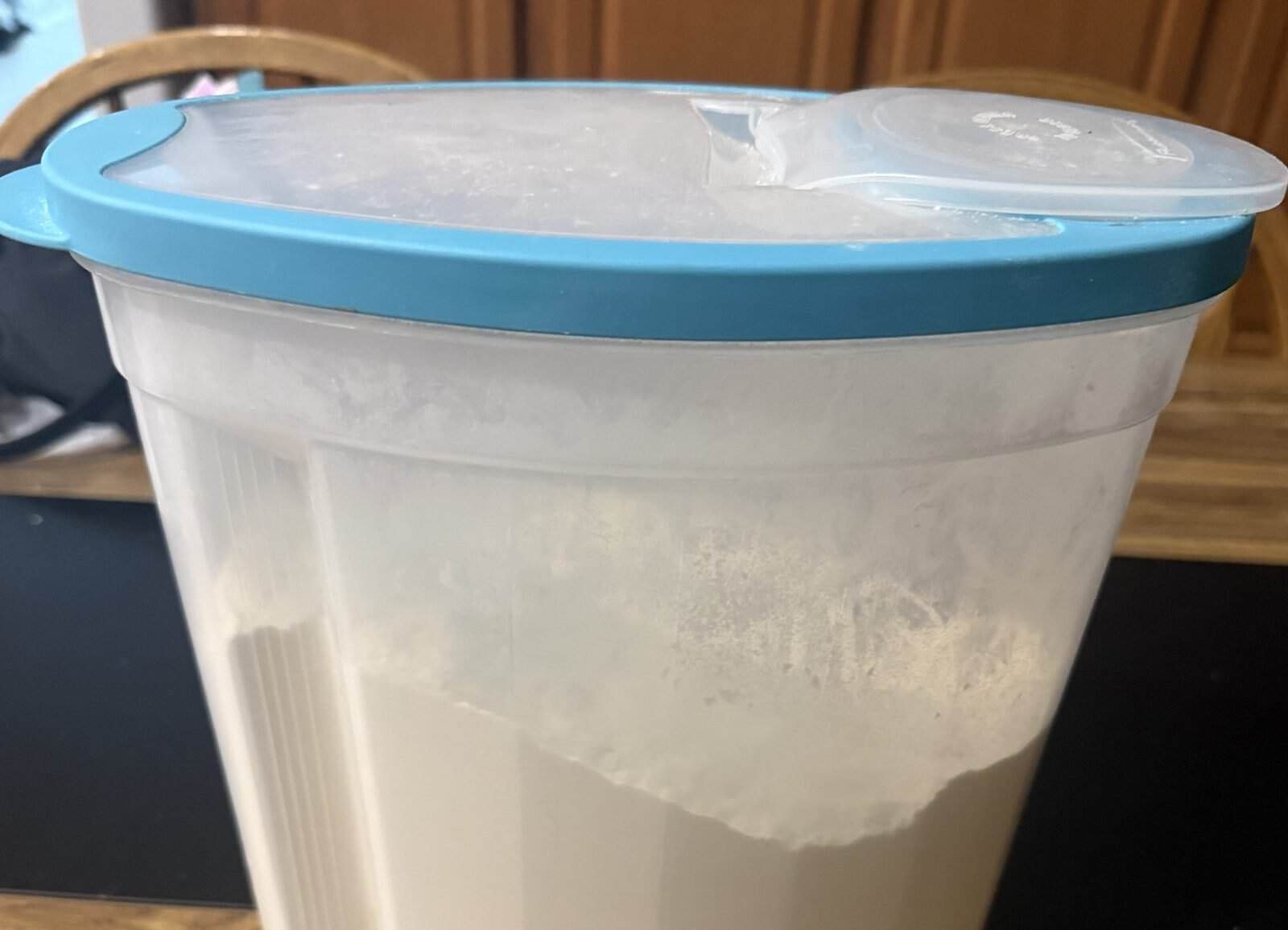
To store flour long term, transfer it out of its paper bag into an airtight container and keep it somewhere cool, dark, and dry, using the freezer or refrigerator for whole-grain and nut flours and a cool pantry or fridge for white flour. That airtight seal is what blocks the four things that ruin flour: moisture, oxygen, odors, and pests. Whole-grain and nut flours spoil fastest because their natural oils go rancid, so they benefit most from cold storage. Here is exactly how to keep every kind of flour fresh for as long as possible.
SmartLifeItems is reader-supported; purchases made through links on this page may earn a commission at no added cost to you.
Quick Answer
Move flour into an airtight container, label it, and store it cool, dark, and dry. Keep white flour in a cool pantry, fridge, or freezer, and always refrigerate or freeze whole-grain and nut flours, which go rancid quickly. Airtight sealing prevents moisture, odor absorption, and pest infestations, the main causes of spoiled flour.
How I Store My Flour
I keep my flour in an airtight container to lock out moisture, odors, and pests, and I store that container in a separate fridge I use just for flour and drinks, not my main kitchen fridge. Keeping it in a dedicated fridge means it stays cool for a longer shelf life without picking up smells from leftovers, while the airtight lid handles moisture. That simple setup has kept my flour fresh and contamination-free.
How We Researched This
We based this guide on published food-storage guidance from baking authorities and grain millers, focusing on why flour spoils and which storage method suits each type. King Arthur Baking recommends transferring flour from its breathable paper bag into an airtight container, and freezing or refrigerating whole-grain and nut flours to slow the oil oxidation that causes rancidity. Bob’s Red Mill likewise stresses airtight storage to prevent bug infestations. We combined this with hands-on storage experience.
Flour Storage and Shelf Life at a Glance
| Flour type | Best storage | Rough shelf life |
|---|---|---|
| White (all-purpose, bread) | Cool pantry, fridge, or freezer | Up to 1 year, longer frozen |
| Whole wheat | Fridge or freezer | Several months fridge, up to a year frozen |
| Nut flours (almond, coconut) | Freezer | Several months to a year frozen |
| Gluten-free blends | Fridge or freezer | Varies, cold extends it |
Why Does Flour Go Bad?
Flour spoils for a few related reasons. The biggest is oxidation: whole-grain and nut flours contain oil from the germ, and once exposed to oxygen that oil goes rancid, giving off a smell often compared to Play-Doh. White flour, with the germ removed, is far more stable and mostly just goes stale over many months. Moisture is the next enemy, since flour readily absorbs it and can clump or mold. Flour also soaks up strong odors, and it attracts pantry pests like weevils, which sometimes even arrive as eggs inside the flour. Good storage controls all four.
How to Store Flour Step by Step
Follow these steps to store any flour for the long term.
- Check the flour and its date. Note the best-by date and give the flour a quick look and sniff, so you are storing fresh flour, not flour already turning.
- Freeze new flour for 48 hours (optional but smart). Freezing a new bag for two days kills any pest eggs that may have come with it, preventing an infestation later.
- Transfer it to an airtight container. Move the flour out of its breathable paper bag into an airtight, opaque container that blocks moisture, air, odors, and bugs.
- Label and date the container. Mark the flour type and the date, because you will not remember what is in an unmarked jar.
- Choose the right spot by flour type. Keep white flour in a cool, dark pantry, fridge, or freezer, and always refrigerate or freeze whole-grain and nut flours.
- Store cool, dark, and dry, and rotate. Keep it away from heat and light, and use older flour first so nothing sits too long.
Use an Airtight Container
The single most important step is getting flour out of its paper bag and into an airtight container. The paper bags flour ships in are breathable by design, which is great for letting milling moisture escape but useless at keeping out humidity, odors, and insects. An airtight, opaque container, whether glass or sturdy plastic, seals all of that out. It is exactly what I use for my own flour, a container with a solid airtight lid, which keeps it protected whether it sits in the fridge or on a shelf. Choose a size that holds your bag with a little room to scoop. For picks, see our food storage containers and pantry storage containers guides.
Keep It Cool, Dark, and Dry
Heat and light speed up the chemical reactions that stale and spoil flour, so the storage spot matters. A cool, dark, dry cupboard or pantry, away from the stove and out of direct sunlight, is the baseline for white flour you use regularly. Aim for a consistently cool temperature, since every rise in warmth accelerates staling and, in whole-grain flours, rancidity. Keep the airtight container closed between uses to limit air and moisture exposure, and avoid humid spots near the sink or dishwasher.
Refrigerate or Freeze for the Longest Life
For long-term storage, and for any whole-grain or nut flour, cold is your best friend. The freezer is ideal: at freezing temperatures, oxidation and enzyme activity slow dramatically, keeping flour fresh for up to a year or more. If you lack freezer space, the fridge is a valid alternative. King Arthur Baking notes you can keep flour fresh in the refrigerator as long as it stays in an airtight container to avoid absorbing moisture or refrigerator odors.
This is exactly how I store mine. I keep my airtight flour container in a separate fridge I reserve for flour and drinks rather than my main kitchen fridge. That dedicated fridge keeps the flour cold for a longer shelf life, and because it is not packed with leftovers and aromatics, the flour never picks up food odors, while the airtight lid takes care of moisture. Whether you use a spare fridge or the back of your main one, keep the container as far from the door as possible to avoid temperature swings, and let cold flour warm to room temperature before baking so it does not clump or hold back a rise.
How Long Different Flours Last
Shelf life depends heavily on the type and where you store it. White flours like all-purpose and bread flour keep well for up to a year in a cool pantry and considerably longer refrigerated or frozen. Whole wheat flour lasts only a few months at cool room temperature but several months in the fridge and up to a year in the freezer. Nut flours such as almond and coconut are the most perishable and should live in the freezer. In all cases, cold storage in an airtight container stretches these numbers, while a warm, humid kitchen shortens them.
Storing Specific Types of Flour
White and All-Purpose Flour
Because the germ is removed, white flours are stable and forgiving. Kept airtight in a cool, dark pantry they last many months, and moving them to the fridge or freezer extends that further, which is worth doing if you bake only occasionally.
Whole Wheat and Whole-Grain Flour
These contain the oil-rich germ, so they go rancid fastest. Store them airtight in the fridge or freezer from the start, not on the counter, and rely on the smell test before baking, since rancid whole-grain flour ruins the flavor of your bake.
Nut and Coconut Flour
With the highest oil content of all, nut and coconut flours should always go in the freezer once opened. They deteriorate quickly at room temperature, and freezing is the reliable way to keep them fresh through their best-by date.
Gluten-Free Blends
Many gluten-free blends include whole-grain or nut components that benefit from cold storage, so treat them like whole-grain flour and keep them airtight in the fridge or freezer unless the package says otherwise.
Label and Rotate Your Flour
Once flour leaves its original bag, it is easy to lose track of what it is and how old it is. Label every container with the flour type and the date you stored it, and arrange your storage so older flour gets used first. This simple first-in, first-out habit prevents that forgotten jar at the back from quietly going rancid, and it saves you from second-guessing an unmarked container mid-recipe. Measure it accurately when you bake with our how to measure flour guide.
How to Tell If Flour Has Gone Bad
Trust your nose first. Fresh flour has a neutral, faintly sweet smell, while spoiled flour smells sour, musty, bitter, or like Play-Doh, the classic sign of rancid oils in whole-grain flour. A bitter taste confirms it. Also look for clumping, which can indicate moisture, and any signs of pests such as fine webbing, black specks, or tiny moving insects. Rancid flour will not hurt you, but it carries an off flavor into everything you bake, so when in doubt, throw it out and start fresh.
Watch for Pantry Pests
Weevils and flour beetles are the classic flour invaders, and they sometimes arrive as eggs already in the bag. Freezing new flour for about 48 hours kills any eggs before they hatch, which is the easiest prevention. Airtight containers then keep new pests out and contain any you missed. Some people tuck a bay leaf into the container as a natural deterrent. If you do find an infestation, discard the affected flour, and check nearby containers, since pests spread quickly through an open pantry.
Common Flour-Storage Mistakes to Avoid
Leaving Flour in the Paper Bag
The original paper bag breathes, letting in moisture, odors, and bugs over time. If you use the flour within a few weeks it may be fine, but for anything longer, transfer it to an airtight container as your first move.
Storing Whole-Grain Flour on the Counter
Treating whole wheat or nut flour like shelf-stable white flour is a common error. Their germ oils go rancid at room temperature in a matter of months or less, so they belong in the fridge or freezer from day one.
Refrigerating Flour Without Sealing It
The fridge is a helpful cool spot, but it is also moist and full of odors. Flour left loosely covered there can absorb both, so only refrigerate flour inside a truly airtight container, and ideally keep it away from strong-smelling foods.
Storing Flour FAQ
Can you store flour in the refrigerator?
Yes. The fridge is a good option, especially for whole-grain and nut flours, as long as the flour is in an airtight container to prevent it absorbing moisture and food odors. King Arthur Baking recommends the fridge when freezer space is limited. Keep the container toward the back to avoid temperature swings, and let the flour warm to room temperature before baking.
How long does flour last long term?
White flour keeps up to a year in a cool pantry and much longer frozen, while whole-grain and nut flours last only months at room temperature but up to a year in the freezer. Stored airtight at freezing temperatures, white flour can stay usable for a couple of years. Cold, dry, airtight storage is what stretches shelf life the most.
Should you freeze flour?
Freezing is the best method for long-term storage and is strongly recommended for whole-grain and nut flours, which go rancid quickly at room temperature. It also kills any pest eggs. Store the flour airtight, keep it away from the freezer door, and bring it to room temperature before baking so it does not clump or hinder rising.
Why does my flour smell bad?
A sour, musty, or Play-Doh-like smell means the flour has gone rancid, which happens when the oils in whole-grain and nut flours oxidize. White flour that smells stale has simply aged. Either way, off-smelling flour will taint your baking, so discard it. Storing flour cold and airtight is the best way to prevent rancidity in the first place.
Do I need oxygen absorbers to store flour?
For everyday storage, an airtight container in a cool, dark spot is enough. For true long-term storage of bulk flour, sealing it in airtight bags or containers with oxygen absorbers removes the oxygen that causes rancidity and deters pests, extending shelf life significantly. This is worth doing if you buy flour in bulk or are building a long-term pantry.
Can weevils get into sealed flour?
A truly airtight container keeps new weevils out, but if eggs were already in the flour when you sealed it, they can still hatch inside. That is why freezing new flour for about 48 hours first, to kill any eggs, is the reliable safeguard. Combining that freeze with airtight storage is the most dependable way to keep flour pest-free.
Recommended Reading
Set up the rest of your kitchen storage with our guides to food storage containers, pantry storage containers, and vacuum sealers. Organize the whole space with our pantry organization guide, then put your flour to work with our how to measure flour, mixing bowl sets, measuring cups and spoons, and bakeware sets guides, and troubleshoot bakes with our meringue guide. See also our bread machines guide.
