
For the foundational guidance behind these picks, see what to buy first and what to skip in cast iron.
A cast iron griddle is a flat, borderless slab of seasoned iron that does exactly what a skillet’s curved walls get in the way of: cook a row of pancakes, a full strip of bacon, or a steak with edge-to-edge contact and an even, hard sear. The flat surface and cast iron heat retention are the whole point, giving you restaurant-style browning at home on the stovetop. I cook bacon, pancakes, and steaks on mine, searing the steaks with butter and garlic, and that flat cast iron is what browns everything evenly. This guide covers stovetop cast iron griddles by type, and if you want a plug-in option instead, see our electric griddles guide.
Quick Verdict
For most kitchens, a single-burner cast iron griddle, round or square, is the everyday pick for pancakes, bacon, and searing. Step up to a double-burner griddle for big-batch breakfasts, a reversible griddle-grill for flat and ridged cooking in one pan, or a pre-seasoned model to cook right away. The flat surface and heavy iron are what deliver the sear.
Why Trust This Guide
Picks are independent and reader-supported through affiliate links at no cost to you. The griddle featured first is the one I actually cook on, so those notes are my genuine experience, while the other types are grouped from product research so you can match one to your kitchen. No brand is named where I cannot confirm it, and nothing is described as tried that was not.
Key Takeaways
- A flat, borderless surface gives edge-to-edge contact for even searing and browning.
- Cast iron holds heat hard, so it keeps searing even when cold food hits the surface.
- Single-burner griddles suit everyday cooking; double-burner models handle big batches.
- A reversible griddle-grill adds ridged grilling on the flip side for two tools in one.
- Care is standard cast iron: clean while warm, dry fully, and oil lightly.
How We Picked the Best Cast Iron Griddles
A griddle earns its keep on a few practical points: a genuinely flat, smooth surface that browns evenly without hot spots, enough cast iron mass to hold heat when food lands, a size that fits your burners and your batches, and handles you can grip on a heavy, hot pan. Those are the factors weighed here, grouped by type rather than ranked, since the best griddle depends on your stove and what you cook. The same care that keeps any cast iron going applies, so seasoning a new griddle gets it ready to sear.
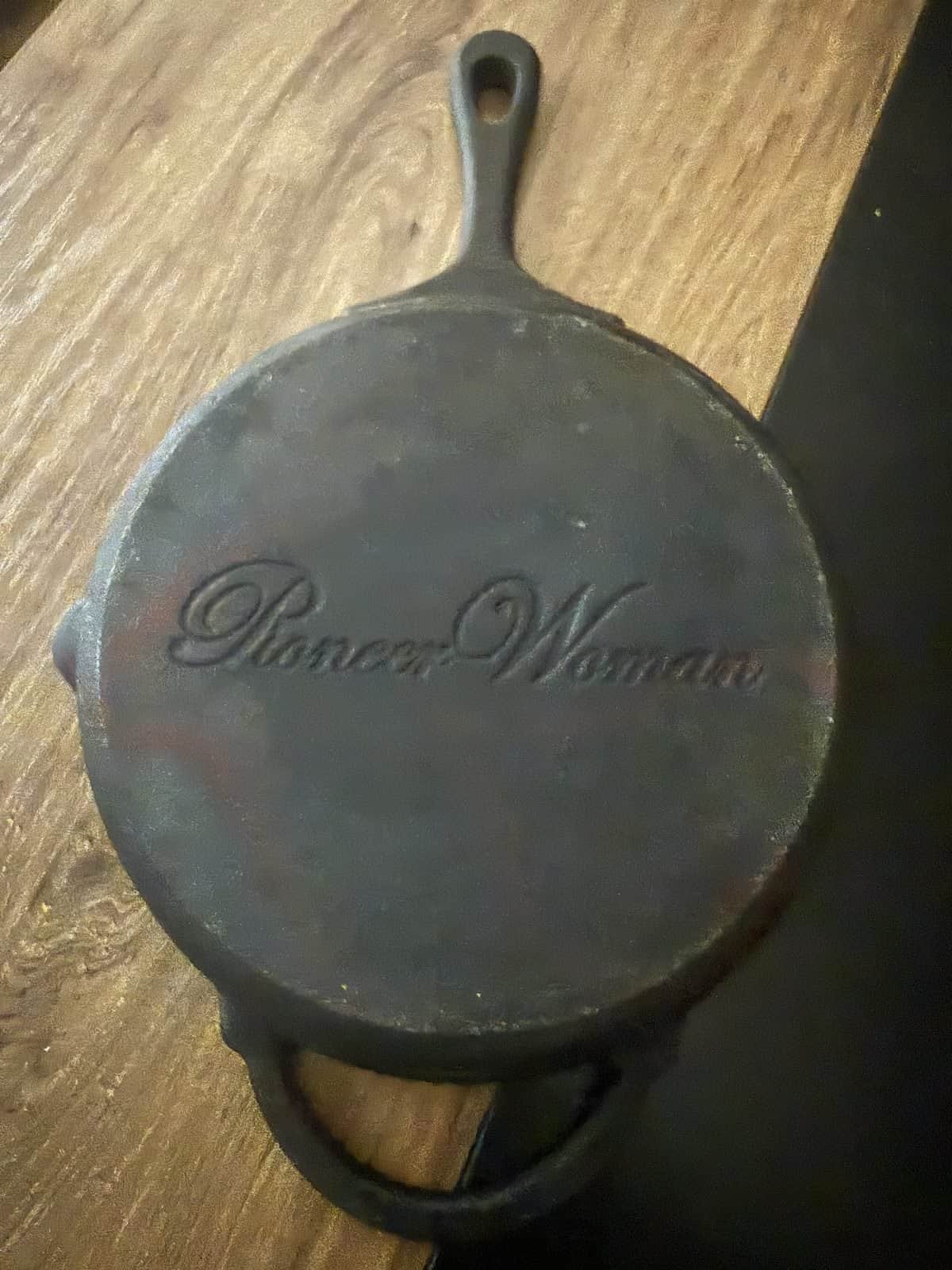
1. The Cast Iron Griddle I Use (My Pick)
Why It Stands Out
The cast iron griddle I use is where I make bacon, pancakes, and steaks, and it handles all three without fuss. The flat, open surface is the reason: bacon lies flat and crisps evenly, pancakes get room to spread and brown, and steaks sear edge to edge instead of steaming in a crowded pan. For steaks I get it hot and finish with butter and garlic, and the even heat gives a proper, all-over crust. Day to day it is easy to clean and simply nice to use, the kind of pan you reach for on instinct.
Worth Knowing
Like all bare cast iron, it wants prompt drying and a light wipe of oil rather than soaking, and it is heavy, which is part of what gives it that steady sear. Get it properly preheated before food goes down for the best browning.
Who it is for: anyone who wants one flat pan for breakfast and searing. Who should skip it: cooks who need borderless batch capacity across two burners.
2. Double-Burner Griddle (Best for Big Batches)
Why It Stands Out
A double-burner cast iron griddle is a long, flat plate that spans two burners, giving you the room to cook a whole family’s pancakes or bacon in one go. For weekend breakfasts and feeding a crowd, that uninterrupted surface is a genuine time-saver, and many are reversible with a grill side. It turns your stovetop into a proper flat-top.
Worth Knowing
Spanning two burners means heating can be slightly uneven between the hot zones and the middle, so rotate food as needed. These griddles are large and heavy, so confirm it fits your stove and storage.
Who it is for: families and anyone cooking big batch breakfasts. Who should skip it: small kitchens or single-burner cooking.
3. Reversible Griddle-Grill (Most Versatile)
Why It Stands Out
A reversible griddle-grill has a smooth flat surface on one side and raised ridges on the other, so one pan handles both pancakes and grill-marked burgers. It is the most versatile format, doubling as a griddle for breakfast and a grill pan for searing with those signature marks. For a small kitchen that wants both jobs from one piece, it is the efficient choice.
Worth Knowing
The ridged side is a grill pan rather than an open griddle, so it does not replace a dedicated flat surface for spreading batter. Reversible plates are heavy and take a moment to flip. Compare the two surfaces in our grill pan vs griddle guide.
Who it is for: cooks who want flat and ridged cooking from one pan. Who should skip it: anyone who only needs a flat griddle.
4. Pre-Seasoned Griddle (Best for Beginners)
Why It Stands Out
A pre-seasoned cast iron griddle arrives with a factory seasoning layer already baked on, so you can cook the day it lands without setting up the surface yourself. For anyone new to cast iron or who just wants to get going, it removes the main hurdle, and the seasoning keeps improving as you cook bacon and other fatty foods on it. It is the easiest entry point.
Worth Knowing
Factory seasoning is a starting point, not a finished nonstick surface, so give it a light oiling after each wash to keep building it. A quick pass with our cast iron cleaning routine keeps it in shape.
Who it is for: beginners and anyone who wants to cook right away. Who should skip it: those who prefer to season a bare pan themselves.
5. Griddle with a Grease Channel (Best for Fatty Foods)
Why It Stands Out
A griddle with a sloped grease channel or trough draws rendered fat away from the food and into a well, which is a real help when you cook a lot of bacon or greasy breakfasts. Keeping the surface drier means crisper results and less splatter, and cleanup is tidier. For bacon lovers especially, that drainage is worth having.
Worth Knowing
The channel takes up a bit of cooking space, and you will want to empty it during long cooks. Make sure the slope suits your stovetop so grease actually runs the right way.
Who it is for: cooks who make a lot of bacon or fatty foods. Who should skip it: those who want maximum flat cooking area.
6. Budget Griddle (Best Value)
Why It Stands Out
A budget cast iron griddle proves you do not need to spend much to get the flat surface and heat retention that make griddle cooking work, delivering the same even sear for far less. It is the easiest way to try flat-top cooking without commitment, and it performs the same everyday jobs once seasoned. For value or a second surface, it is hard to beat.
Worth Knowing
Cheaper griddles can have a rougher cast surface or a less refined handle, though seasoning smooths things over time. Check that it arrives pre-seasoned so it is ready to use.
Who it is for: first-time buyers and value seekers. Who should skip it: those who want a polished surface or premium build.
Cast Iron Griddles at a Glance
| Type | Best for | Standout | Watch-out |
|---|---|---|---|
| Everyday single-burner | Breakfast and searing | Even flat-top sear | One-burner capacity |
| Double-burner | Big batches | Huge flat surface | Heavy, heat varies |
| Reversible griddle-grill | Two jobs in one | Flat and ridged sides | Ridged side is a grill pan |
| Pre-seasoned | Beginners | Cook right away | Seasoning still develops |
| Grease channel | Fatty foods | Drains rendered fat | Less flat area |
| Budget | Value | Same core performance | Rougher finish |
How to Choose a Cast Iron Griddle
Single or double burner
A single-burner griddle, round or square, suits everyday cooking and stores easily, while a double-burner model turns two burners into one big flat-top for batches. Picture how much you cook at once, since a large griddle is heavy and needs the stove space to earn its keep.
Flat, reversible, or grease-draining
A plain flat griddle is the most cooking area, a reversible griddle-grill adds ridged searing, and a grease-channel model helps with fatty foods. Match the format to what you actually make, whether that is pancakes, bacon, or grill-marked meats.
Fit and weight
Measure your burners and confirm the griddle sits stable, since an oversized plate can rock or heat unevenly. Cast iron is heavy, so look for helper handles you can grip with mitts, especially on larger models.
Surface and seasoning
A smoother cast surface releases food better from the start, while rougher budget pans smooth out with use. Bare cast iron needs seasoning and simple upkeep, which is part of why cast iron lasts for generations.
Griddle vs Skillet vs Grill Pan
When a griddle wins
A griddle’s flat, borderless surface is unbeatable for foods you want to spread out and brown evenly, like pancakes, bacon, eggs, grilled sandwiches, and edge-to-edge steak searing. Nothing gets crowded, and flipping is easy with open access from every side.
When to reach for something else
For anything with liquid, sauce, or high sides, a cast iron skillet is the better tool, and for those signature char lines a grill pan wins. The three overlap, but each shape fits a different job, and many cooks keep a griddle alongside a skillet.
Common Cast Iron Griddle Mistakes to Avoid
Not preheating enough
A cool griddle steams food instead of searing it, especially with pancakes and steak. Give it a few minutes to heat fully and evenly before anything goes on.
Overcrowding the surface
Even a big griddle browns best with space between items. Leave room so food sears rather than sweats, working in batches if needed.
Soaking or air-drying it
Like all bare cast iron, a griddle rusts from leftover moisture. Clean it while warm, dry it fully, and oil it lightly rather than leaving it wet.
Using it on the wrong burner size
A large griddle on one small burner heats unevenly with cold spots. Match the griddle to your burners, or choose a double-burner model designed to span two.
Recommended Reading
- Braisers, for brown-and-braise one-pan family meals.
- Cast iron vs carbon steel, if you are comparing flat-pan materials.
- Choosing cookware, to round out your kitchen.
Cast Iron Griddle FAQ
What is a cast iron griddle best for?
A cast iron griddle shines at flat-surface cooking: pancakes, bacon, eggs, grilled sandwiches, quesadillas, and searing steaks or burgers edge to edge. The borderless, even surface gives food room to brown without crowding, and the heavy iron holds heat for a hard, consistent sear.
Is a cast iron griddle better than an electric one?
They serve different needs. Cast iron griddles reach higher searing temperatures and last a lifetime, but need a stovetop and seasoning. Electric griddles offer set-and-forget temperature control and a large surface off the stove. For serious searing, cast iron wins; for convenience and steady low heat, electric has its place.
What size cast iron griddle should I buy?
A single-burner griddle suits everyday cooking for one or two people, while a double-burner model spanning two burners handles family batches. Measure your burners first so the griddle sits stable and heats evenly, and consider storage, since large cast iron griddles are heavy and bulky.
How do you clean a cast iron griddle?
Clean it while warm with hot water and a brush or scraper, dry it completely, and rub in a thin coat of oil. A little mild soap is fine on a seasoned surface. In my experience the griddle wipes clean easily this way, and cooking fatty foods like bacon actually helps maintain the seasoning.
Do you need to season a cast iron griddle?
Bare cast iron griddles need seasoning, though many arrive pre-seasoned and ready to cook. The layer builds with use, especially cooking fatty foods, and a light oiling after each wash keeps it going. Enameled griddles, which are less common, need no seasoning at all.
Can you cook pancakes and bacon on the same griddle?
Yes, and it is one of a griddle’s best tricks. Many cooks render the bacon first, then cook pancakes in the flavorful fat, all on the same flat surface. The open design makes it easy to manage several foods at once, which is why griddles are a breakfast favorite.
Can a cast iron griddle sear a steak?
Absolutely. Preheat it well, and the heavy iron delivers an even, edge-to-edge crust that rivals a skillet, with the open surface making it easy to baste with butter and garlic. Just avoid crowding, and let the steak develop its sear before flipping.
What is the difference between a griddle and a grill pan?
A griddle has a smooth, flat surface for full-contact browning of pancakes, bacon, and searing, while a grill pan has raised ridges that create char lines and let fat drip away. Choose a griddle for even browning and a grill pan for grill marks; a reversible model offers both.
