
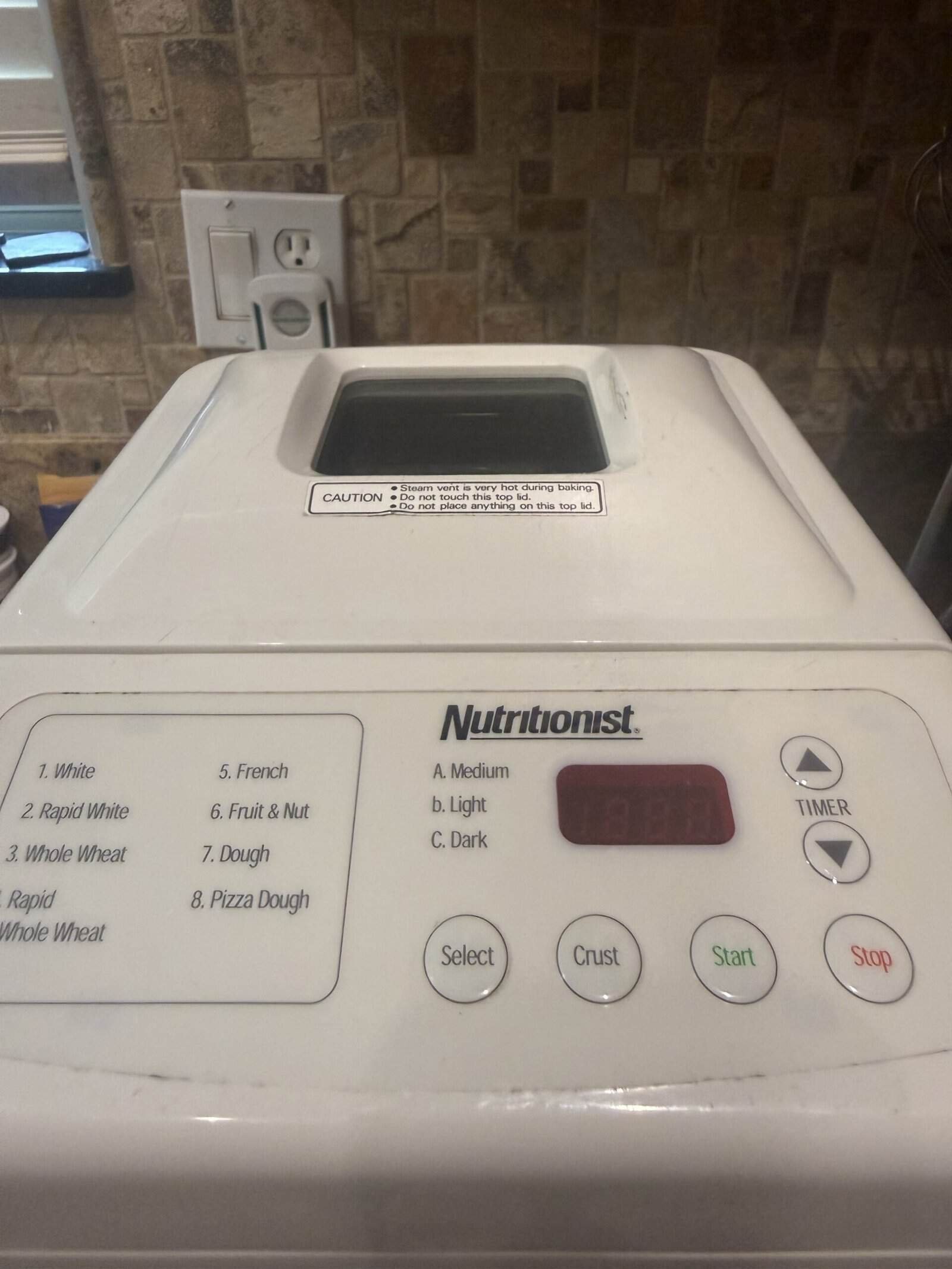
The first loaf I made in my bread machine came out dense, and the reason was simple once I understood it: I had not used enough flour. A dense, heavy loaf is the most common thing a bread machine gets blamed for, and most of the time the machine is fine. The problem is upstream, in the measuring and the ingredients, before the cycle ever starts. Here is what causes it and how I fixed mine.
Key Takeaways
- A dense loaf is usually an ingredient or measuring problem, not a broken machine.
- My first loaf was dense because I under-measured the flour.
- Old or mismeasured yeast is the other leading cause.
- The flour-to-liquid balance decides how the dough rises.
- Precise measurement fixes most dense-loaf problems on its own.
Start With the Flour, Because I Had To
The fix that solved my own dense loaf, and the first thing to check.
My first attempt came out heavy and tight because I did not use enough flour. The dough did not have the structure it needed, and once it is wrong going in, no cycle setting rescues it. On the next loaf I measured more carefully and used more flour, and the difference was immediate.
Too little flour gives you a wet, slack dough that cannot hold its rise, and the result bakes down into something dense. This is the single most common beginner mistake, and it is entirely fixable by measuring properly. Bread is more sensitive to accurate flour measurement than most cooking, and a bread machine does nothing to hide that.
If your loaf is dense and you are new to this, start here before you suspect anything else. Bread machines for beginners covers the wider set of early mistakes.
Check the Yeast Next
The other leading cause, and an easy one to overlook.
Yeast is what makes bread rise, and yeast that is old, expired, or mismeasured produces a loaf that never lifts properly. If your flour is right and the loaf is still dense, the yeast is the next suspect. It loses potency over time, especially once opened and stored poorly, and dead yeast gives you a heavy brick no matter what else you do right.
Measuring matters here too. Too little yeast underproofs the loaf, and the amount is small enough that a careless measurement throws it off easily. Use fresh yeast, store it properly, and measure it precisely, and you eliminate one of the two big causes of a dense loaf.
The interaction between fresh yeast and correct flour is most of what separates a light loaf from a heavy one.
Get the Flour-to-Liquid Balance Right
Where the two most important ingredients meet, and where dense loaves are born.
Bread dough needs the right ratio of flour to liquid. Too much liquid or too little flour, which was my problem, gives a slack dough that spreads instead of rising. Too much flour or too little liquid gives a stiff dough that cannot expand. Either extreme lands you at a dense loaf from opposite directions.
The dough should form a smooth, slightly tacky ball during the mix. If you can watch it through a viewing window, that is the moment to check: a good dough ball looks cohesive and pulls away from the sides. A puddle or a crumbly mass tells you the balance is off before the machine ever bakes it.
Adjusting a spoonful of flour or liquid at a time, based on how the dough looks during mixing, is how you dial this in for your specific machine and your specific flour.
Match the Cycle to the Flour
A quieter cause that trips people up as they branch out.
Heavier flours need longer cycles. A whole wheat loaf run on a basic white cycle often comes out dense, because whole wheat is heavier and needs more time to rise. As you move beyond basic white, matching the cycle to the flour matters, and using the wrong program is an easy way to get a heavy loaf from good ingredients. Dense whole wheat loaves are usually a cycle problem rather than a recipe one, and our whole wheat machine guide works through it.
Most machines have dedicated cycles for whole wheat and heavier doughs for exactly this reason. If your basic loaves are light but your wheat loaves are dense, the cycle is the likely culprit rather than the measuring.
Reaching for the right program is a small fix that resolves a specific and common version of this problem. Using a bread machine covers cycle selection in more depth.
A Note on My Own Loaf and How Fast It Kept
Worth separating from the density question, because it is a different thing and I want to be honest about what I actually know.
One loaf I made seemed to develop a little mold sooner than I expected. I want to be clear that this is my own observation about that one loaf, and I am not attributing it to the machine or claiming it as a pattern. Homemade bread has no preservatives, unlike most store bread, so it naturally keeps for a shorter time, and that alone explains a faster turn without anything being wrong.
I mention it only because a new baker might notice the same thing and worry the machine caused it. It almost certainly did not. Fresh bread simply does not last as long as the shelf-stable kind, and storing it well is the answer rather than suspecting your equipment.
If you want your loaves to keep longer, good storage is the lever. How to store bread covers keeping a homemade loaf fresh.
Rule Out the Simple Things Before the Machine
The order of suspicion, so you fix the likely cause first.
Before you conclude the machine is faulty, work through the ingredients, because that is where the problem almost always is. Check the flour amount, since under-measuring is the classic error. Check the yeast for freshness and correct measurement. Check the flour-to-liquid balance by watching the dough ball. Check that the cycle matches the flour you used.
In my experience, and my first loaf is the proof, a dense loaf is a measuring and ingredient story far more often than a hardware story. The machine bakes what you give it, and if you give it a mismeasured batch, it bakes a dense loaf faithfully.
Work through those causes in order and you will fix the large majority of dense loaves without touching a thing on the machine itself. Whether a bread machine is worth it covers the ownership side once your loaves are coming out right.
Recommended Reading
See bread machines for beginners, using a bread machine, and how to store bread.
Dense Bread Machine Loaf FAQ
Why is my bread machine loaf dense?
Usually an ingredient or measuring problem, not a broken machine. The most common cause is not enough flour, which was my own first-loaf mistake. Old or mismeasured yeast is the other leading cause. Both are fixable by measuring carefully and using fresh ingredients.
How do I fix a dense loaf?
Start with the flour, since under-measuring gives a slack dough that cannot hold its rise. Then check the yeast for freshness and correct amount. Then look at the flour-to-liquid balance by watching the dough form a smooth ball. Most dense loaves resolve at one of those three steps.
Can old yeast make bread dense?
Yes. Yeast makes bread rise, and old or expired yeast loses potency, producing a loaf that never lifts properly. If your flour is right and the loaf is still heavy, suspect the yeast next. Use fresh yeast, store it well, and measure it precisely.
What does the dough ball tell me?
A lot. During mixing, the dough should form a smooth, slightly tacky ball that pulls from the sides. A puddle means too much liquid or too little flour; a crumbly mass means the opposite. Catching that during the mix, ideally through a viewing window, lets you adjust before it bakes.
Why is my whole wheat loaf dense when my white loaf is fine?
Probably the cycle. Heavier flours like whole wheat need longer rise times, and running them on a basic white cycle often produces a dense loaf. Use the machine’s dedicated whole wheat or heavy dough program instead. It is a common and easily fixed cause.
Does homemade bread go bad faster than store bread?
It can, because homemade bread has no preservatives. I noticed one of my own loaves seemed to turn a bit sooner than expected, which I attribute to that rather than to the machine. Fresh bread simply keeps for a shorter time, and good storage is the answer rather than suspecting your equipment.
Is a dense loaf the machine’s fault?
Rarely. In my experience the cause is almost always upstream, in the measuring and ingredients, before the cycle starts. The machine bakes what you give it. Rule out flour amount, yeast, liquid balance, and cycle choice before concluding the hardware is at fault.
How do I stop making dense loaves as a beginner?
Measure precisely and follow the machine’s own recipes exactly at first. My dense first loaf came from an imprecise flour measurement, and careful measuring fixed it on the next attempt. Bread is sensitive to accurate measurement, so precision early on solves most of the problem.
More in this guide: how to set up a home baking station.
Recommended Reading
The paddle is the part that causes trouble. why bread machine paddles stick in the loaf covers removing it.
