
A couch cover succeeds or fails on one thing: whether it stays where you put it. Fabric, price, and color all matter less than fit, because a cover that slides every time someone sits down gets straightened twice a day until it ends up folded in a cupboard.
The category splits by how it attaches. Stretch covers grip the frame, strapped covers anchor underneath, and loose throws rely on tucking. Which suits you depends on your sofa’s shape more than your taste, and a cover that fits a boxy three-seat will not behave the same on a rolled-arm couch. Once it fits, washability is the feature you actually use, in the same way that keeping upholstery clean comes down to whether the tool is easy enough to reach for.
Quick Verdict
Buy a stretch cover sized to your specific sofa shape if you want something that stays put with minimal fuss. Choose a strapped or tucked design for unusual frames. Confirm it is machine washable before anything else, because a cover you cannot wash defeats the point of owning one.
Key Takeaways
- Fit and grip matter more than fabric for day-to-day satisfaction
- Machine washability is the feature that determines whether it stays in use
- Measure the sofa rather than buying by seat count alone
- Stretch fabrics grip well but show wear at stress points over years
- Separate cushion covers fit better and take longer to put back on
- Soft fabrics get used; stiff ones get replaced
How We Picked
Grip came first, because it is what separates a cover people keep from one they abandon. Elastic hems, non-slip backing, and foam anchor rods all do the same job in different ways, and any of them beats a cover that relies purely on being tucked.
Washability was second and close to a requirement. Covers exist to take the abuse the sofa would otherwise take, which means they get dirty, and one that needs professional cleaning has failed at its own purpose.
Fabric feel decided the rest. A cover is a surface people sit on daily, and a technically excellent cover in a fabric nobody wants against their skin does not get used. Softness and breathability were weighted accordingly.
My Own Cover and How It Has Held Up
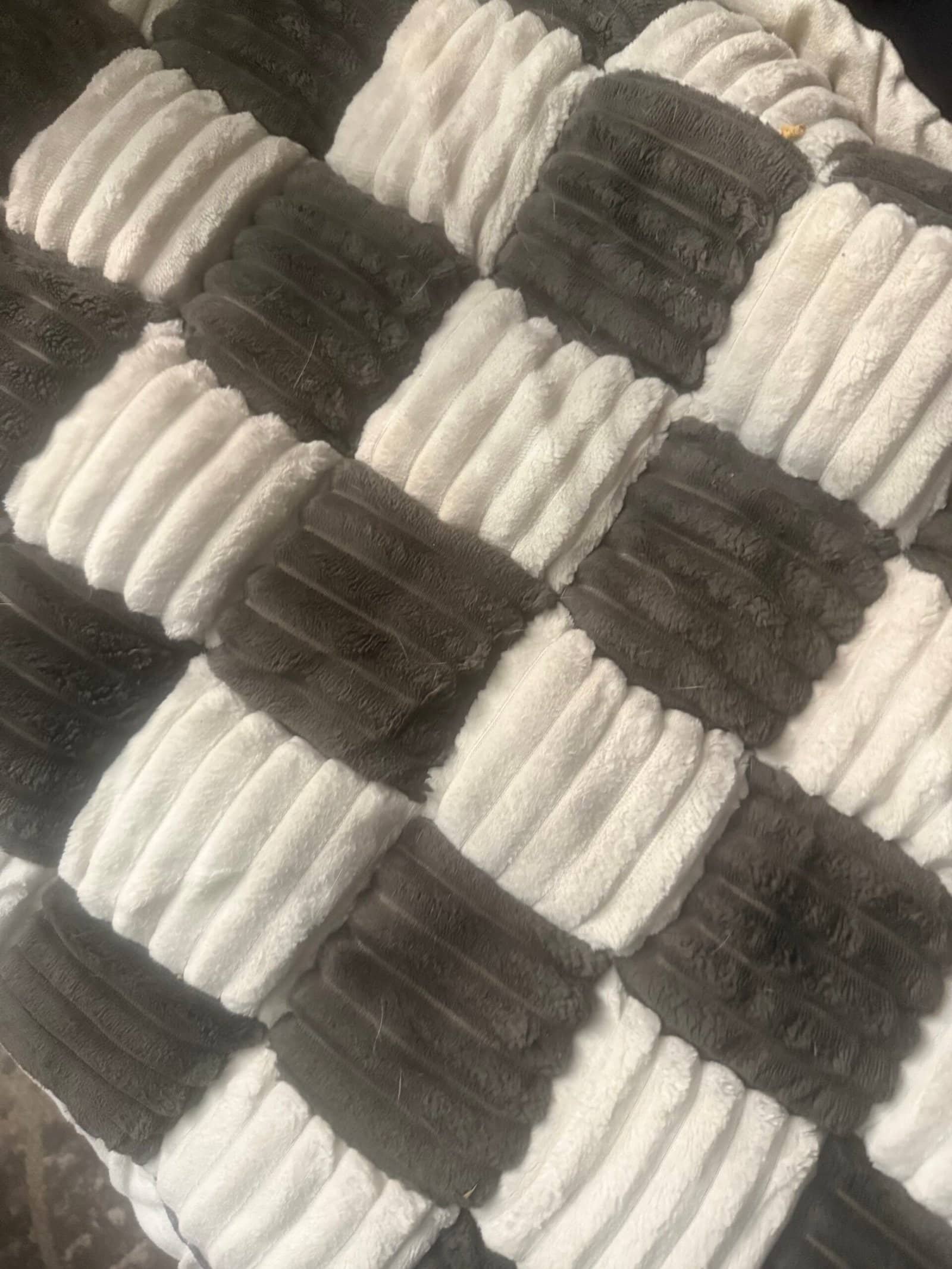
I have used the same cloth couch cover on a three-seat sofa for three or four years. It is a soft checkered fabric, machine washable, and I wash it about once a month.
The thing I would tell anyone shopping is that it stays put. That sounds minor until you have owned a cover that does not, because the difference is between furniture you forget about and a daily chore. Mine has not needed constant straightening, and after several years of regular washing it has held together without the fabric going thin or the shape going baggy. Our note on flat pack furniture and moving covers that in more detail.
Monthly washing is the part worth planning for. A cover that has to be wrestled off and back on is a cover you wash less often than you should, so how easily it comes on and off matters as much as how it looks.
My experience covers one cloth cover on one three-seat sofa in an apartment. It does not cover leather sofas, sectionals, pet households, or waterproof covers, all of which have different failure modes.
1. The Stretch Fabric Cover
Why It Stands Out
Elasticated fabric pulls tight to the frame and holds itself in place without straps or tucking. On a standard boxy sofa it gives the closest thing to a reupholstered look, and it is the easiest type to put on alone.
Worth Knowing
Stretch fabric relies on tension, so it loses grip as the elastic ages and shows wear first at the arms and seat edges. Sizing is also less forgiving than it appears, since a cover stretched near its limit pulls thin at the corners.
Right for standard sofa shapes and a tidy look. Skip it for unusual frames or very large sectionals.
2. The Strapped or Anchored Cover
Why It Stands Out
Straps under the frame and foam rods pushed into the crevices hold a cover in place mechanically rather than by tension. For sofas that defeat stretch covers, this is what actually works.
Worth Knowing
Fitting takes longer, and anything requiring you to reach under the sofa is something you will do less often than you plan to. Foam rods also work loose and need pushing back periodically.
Right for awkward shapes and sofas where stretch covers slide. Skip it if you want a cover you can strip and wash in five minutes.
3. The Separate Cushion Cover Set
Why It Stands Out
Sets covering the frame and each cushion individually fit far better than a single sheet, because each piece is shaped for what it covers. Cushions can also be washed separately when only one gets marked.
Worth Knowing
More pieces means more work every wash, and putting cushion covers back on is the slowest part. It also means more to lose track of, and a set missing one cushion cover looks worse than no cover at all.
Right for a close fit and spot-washing. Skip it if you wash the whole thing monthly and want it quick.
4. The Waterproof Cover
Why It Stands Out
A backed or coated fabric stops spills and accidents reaching the upholstery, which is the whole reason many households buy a cover in the first place. For homes with pets, small children, or a sofa people eat on, it addresses the actual problem.
Worth Knowing
Waterproof backing does not breathe, so it can feel warm and slightly plasticky to sit on for long periods. It also tends to be noisier than plain cloth when you move.
Right for pets, kids, and protecting an expensive sofa. Skip it if daily comfort matters more than spill protection.
5. The Sectional Cover
Why It Stands Out
Sectionals need covers designed around their geometry, usually sold as multiple pieces matched to each section. Buying purpose-made pieces avoids the gaps and bunching that a standard cover produces on an L-shaped sofa.
Worth Knowing
Matching the pieces to your specific configuration is the difficulty, since chaise orientation and section count vary widely. Measure every section and check the return policy, because this is the category with the highest mismatch rate.
Right for L-shaped and modular sofas. Skip it if you can measure a single-piece cover that fits.
6. The Loose Throw Cover
Why It Stands Out
A large fabric panel draped and tucked is the cheapest, most flexible option, and it fits anything. For occasional protection or a quick change of look, it does the job without any fitting at all.
Worth Knowing
It moves. Every time someone sits down it shifts, and it needs straightening constantly, which is the exact failure that sends covers to the cupboard. Non-slip pads underneath help but do not solve it.
Right for occasional use and odd furniture. Skip it as a daily cover on a sofa in regular use.
Couch Covers at a Glance
| Type | Stays put | Fitting time | Best for |
|---|---|---|---|
| Stretch fabric | Well | Fast | Standard shapes |
| Strapped or anchored | Very well | Slow | Awkward frames |
| Cushion cover set | Very well | Slowest | Close fit, spot washing |
| Waterproof | Varies | Moderate | Pets and kids |
| Sectional | Well if matched | Moderate | L-shaped sofas |
| Loose throw | Poorly | Immediate | Occasional use |
What to Look For in a Couch Cover
Have you measured, rather than counted seats?
Two three-seat sofas can differ by a foot in width and considerably in depth. Measure width across the back, depth front to back, and arm height, and check those against the cover’s stated range rather than the seat count on the label.
How does it stay in place?
Elastic hems, non-slip backing, straps, and foam anchor rods all work, and something is better than nothing. A cover relying purely on being tucked will need straightening daily.
Can you machine wash it?
This is what makes a cover useful rather than decorative. Check the wash temperature and whether it can be tumble dried, since a cover that must air dry is out of action for a day each time.
Would you sit on it for an hour?
The fabric is a surface you touch daily. Stiff, scratchy, or plasticky covers protect a sofa nobody wants to use, which is a poor trade.
Covers vs Reupholstering
Where a cover wins
Cost, speed, and reversibility. A cover arrives in days, costs a fraction of reupholstering, and comes off when you want the original back. It also washes, which upholstery does not.
Where reupholstering wins
Permanence and fit. Nothing draped over a frame looks as clean as fabric fitted to it, and reupholstering addresses worn padding and broken support that a cover only hides.
What Trips People Up
Buying by seat count
Seat count says almost nothing about dimensions. Measuring takes two minutes and prevents the single most common return in this category.
Ignoring how it washes
A cover exists to be washed. If getting it off and back on is a struggle, it gets washed less often, and the sofa underneath stops being protected.
Choosing fabric on looks alone
Color photographs well and texture is what you live with. A cover that looks right and feels wrong ends up unused.
Expecting a loose throw to behave
Draped fabric moves. On a sofa in daily use it needs straightening constantly, and no amount of tucking fixes it permanently.
Recommended Reading
- vacuums for keeping upholstery clean
- robot vacuums for floors around the sofa
- laundry storage for a monthly wash routine
- vacuum and mop combos for shared living space
- the wider approach to a tidy apartment
Frequently Asked Questions
Do couch covers actually stay in place?
Good ones do. Stretch covers sized correctly, and covers with straps or foam anchor rods, hold well through daily use. Loose throws relying on tucking are the ones that move constantly.
How often should I wash a couch cover?
Monthly suits a sofa in regular household use, more often with pets or if people eat on it. The practical limit is how easily it comes off and goes back on, so pick something you will not resent handling.
How do I measure my sofa for a cover?
Measure the width across the back at its widest, the depth from front edge to back, and the arm height. Compare those against the cover’s stated range rather than relying on the seat count in the product name.
Will a cover fit my sectional?
Only a cover made for sectionals, matched to your configuration. Standard covers bunch and gap on L-shaped sofas, and chaise orientation matters, so check the return policy before ordering.
Are waterproof covers worth it?
For pets, small children, or a sofa people eat on, yes. The tradeoff is comfort, since waterproof backing does not breathe and can feel warm or slightly plasticky over a long sitting.
How long does a couch cover last?
A good cloth cover in regular household use, washed monthly, can run several years before the fabric thins or the fit loosens. Stretch covers tend to give out at the arms and seat edges first, since that is where the tension is highest.
Can I put a cover on a leather sofa?
Yes, though grip is the problem, since fabric slides on leather far more than on woven upholstery. Non-slip backing or anchor straps matter considerably more here than they do on a cloth sofa.
Do couch covers damage upholstery?
Not usually. Covers protect the surface underneath, though a tight cover left on for years can compress cushion fill, and anything abrasive can wear fabric over time. Removing it occasionally to air the sofa is sensible.
Furniture underneath a cover still needs attention. Cleaning a couch without steam covers fabric codes and leather.
