
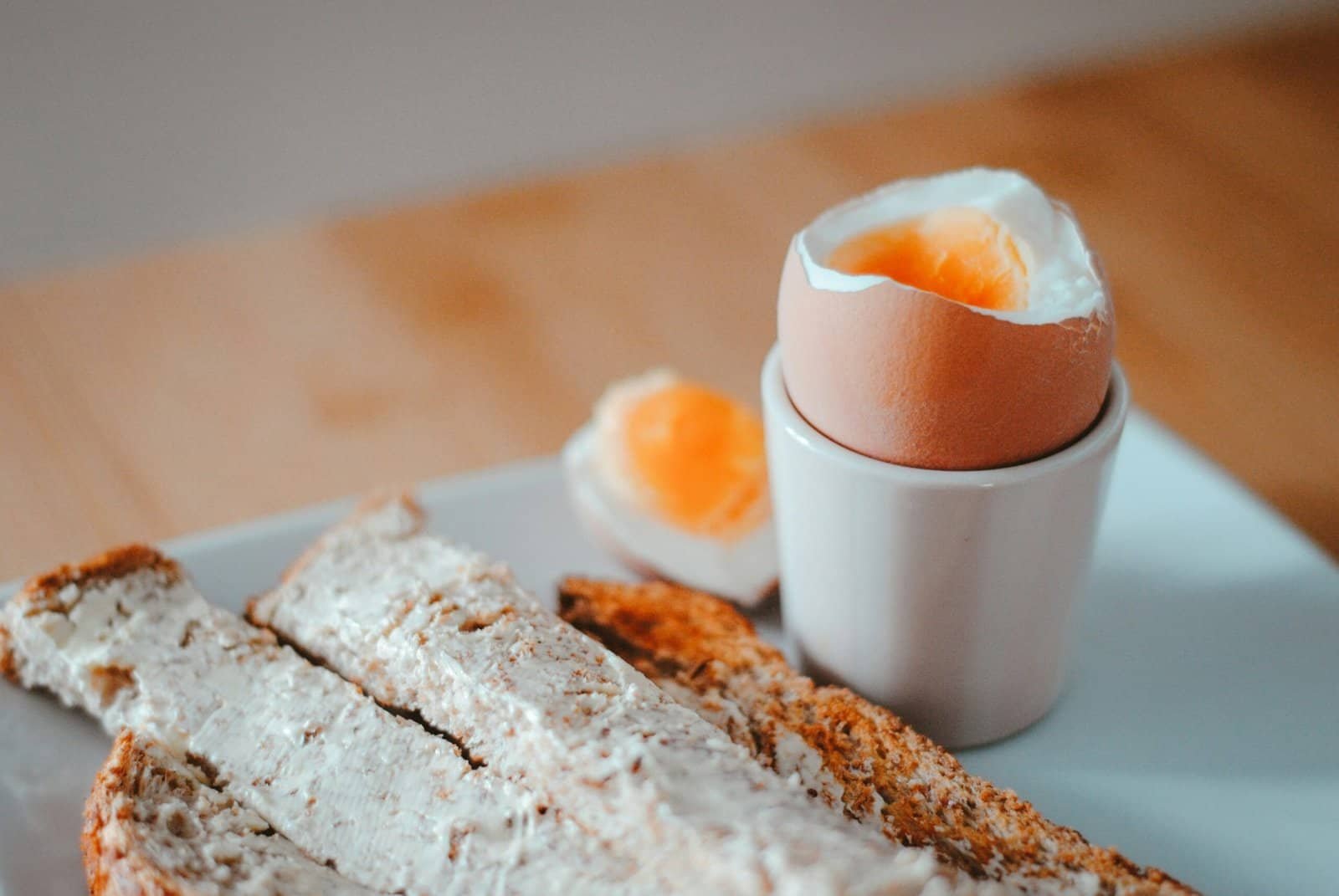
Egg bite molds are lidded silicone trays that hold beaten egg in individual wells while gentle steam sets it into a soft, custard-like texture. Egg bite molds work because the mold shields the egg from direct heat, so the mixture sets slowly rather than seizing and going rubbery. Our roundup of Instant Pots covers the appliance most of these were designed around.
They also do far more than eggs. The same wells handle baby food, mini cheesecakes, frozen stock portions and sauces, which is what turns a single-purpose gadget into something that earns its drawer space.
The failure mode is nearly always the same. Skip the lid or the foil and condensation drips into the wells, leaving watery tops.
Quick Verdict
Buy a seven-well silicone mold with a fitted silicone lid, sized to your cooker. The lid is what keeps condensation out, and seven wells is the size most pressure cookers and steamers are built around. A stackable pair doubles output for very little extra, and a firmer rim makes the mold far easier to lift out hot.
Key Takeaways
- The lid matters more than the mold, because condensation ruins the tops.
- Seven wells is the common size that fits most cookers.
- Floppy rims are the main complaint; a reinforced edge lifts cleanly.
- These freeze portions as well as they cook eggs.
- Silicone holds onto smells, so keep savory and sweet molds separate if you can.
How We Picked
This is a research-based roundup rather than a hands-on cook test. Selections rest on published specifications, stated materials and capacities, manufacturer guidance and consistent user-reported feedback rather than on our own measurement.
The criteria that mattered were food-grade silicone with a stated temperature range, a lid that seats properly rather than resting loose, well capacity, and a rim rigid enough to lift a full mold without folding.
Fit was treated as a filter. A mold that does not sit inside a standard six-quart cooker with the trivet in place was excluded, since that is the appliance most buyers own.
Cooking times vary by appliance and by how full the wells are, so treat any recipe timing as a starting point for your own kit.
Seven-Well Silicone Mold with Lid
Why It Stands Out
This is the standard and the right default. Seven wells matches the footprint of most pressure cookers, and the fitted silicone lid does the job foil is otherwise drafted in for.
A proper lid seals well enough to keep condensation off the surface while still letting steam circulate around the outside. That is the whole trick behind a smooth top.
Worth Knowing
Lid fit varies between brands even at the same well count. A lid that sits loose lets drips through, so look for one that clips or seats into a groove.
Wells fill fuller than people expect once the egg puffs. Leaving headroom stops overflow welding the lid down.
This suits anyone starting out. Skip it only if your cooker is unusually small.
Stackable Mold Set for Double Batches
Why It Stands Out
Two molds stacked on a trivet cook fourteen bites in one cycle. Since the cooker takes the same time to come up to pressure either way, the second tray is nearly free in time terms.
For anyone batch-cooking breakfast for the week, that changes the maths considerably.
Worth Knowing
Stacking needs clearance. Measure from your trivet to the lid seal before buying, because two molds plus a trivet is taller than people assume.
The upper mold cooks slightly differently from the lower one in some cookers, so expect to adjust rather than assume identical results.
This suits weekly meal prep. Skip it if your cooker is a three-quart, where the height simply is not there.
Reinforced Rim Mold for Easy Lifting
Why It Stands Out
The single most common complaint about silicone molds is that a full one flexes when you lift it. A reinforced or thicker rim solves that, and some designs add proper handles.
Lifting a hot, full mold out of a narrow cooker is the moment things go wrong, so rigidity is a genuine safety feature rather than a luxury.
Worth Knowing
Some rims use an embedded steel band, which usually rules out the microwave. Check before assuming the mold is safe in every appliance you own.
Handles add width, which can be the difference between fitting your cooker and not.
This suits anyone who has already spilled one. Skip it if your cooker is wide enough to get both hands in comfortably.
Deep-Well Mold for Larger Portions
Why It Stands Out
Deeper wells make a more substantial bite, closer to a small crustless quiche than a coffee-shop egg bite. For a filling breakfast that matters.
The depth also suits the non-egg uses better, since mini cheesecakes and frozen stock portions both want volume.
Worth Knowing
Deeper means longer to set through, and the middle is the last part to firm up. Judging doneness by the surface leads to a raw center.
Deep wells also unmold less easily, so a light greasing is worth doing even though silicone is non-stick.
This suits bigger appetites and freezer portioning. Skip it if you want the standard small bite.
Mold Sized for Air Fryer Baskets
Why It Stands Out
Air fryer baskets are round and shallower than a pressure cooker, so a mold built for that footprint fits where a standard one does not.
The results differ from steam. Air circulation browns the tops slightly, which some people prefer and others do not.
Worth Knowing
Dry heat sets egg faster and harder than steam, so this is the setup most likely to produce a rubbery result if you overcook it.
A cover still helps, but full sealing works against an air fryer, which needs circulation. Loose coverage is the compromise.
This suits households without a pressure cooker. Skip it if you want the silky steamed texture specifically, which our comparison of Instant Pot against air fryer gets into.
Mini Mold for Baby Food and Freezing
Why It Stands Out
Smaller wells suit portioning rather than cooking. Purees, stock, herb butter and sauces freeze into neat blocks that pop out and go into a bag.
Because they are small, they freeze and thaw quickly, which is the practical advantage over a large container.
Worth Knowing
Small wells cook very fast if you do use them for egg, and they overshoot easily.
Silicone picks up strong smells over time. Keeping one mold for savory and another for sweet avoids garlic-flavored cheesecake.
This suits freezer organizing and baby food. Skip it if breakfast is your only use case, since the portions are small.
Egg Bite Molds at a Glance
| Type | Best for | Trade |
|---|---|---|
| Seven-well with lid | The default buy | Lid fit varies by brand |
| Stackable pair | Batch cooking | Needs cooker height |
| Reinforced rim | Lifting safely | Often not microwave safe |
| Deep well | Bigger portions | Slower to set through |
| Air fryer sized | No pressure cooker | Firmer, browned texture |
| Mini wells | Freezing portions | Too small for breakfast |
How to Choose Egg Bite Molds
Measure your cooker first
Check the internal diameter with the trivet in place, and the height to the sealing ring. A mold that does not fit is the most common return in this category.
Insist on a real lid
A fitted silicone lid keeps condensation off the surface. Molds sold without one work, but only if you cover them with foil every time, which gets tedious.
Check the rim before the wells
Rigidity decides how safely you lift a full mold out of a hot cooker. A floppy rim is the thing people complain about long after they have forgotten what the wells looked like.
Think past breakfast
If you also want to freeze stock or portion baby food, well depth and count matter differently. Buying with the second use in mind usually means one mold instead of two.
Pressure Cooker or Oven
When the pressure cooker wins
Texture, clearly. Trapped steam sets the egg gently and evenly, which is what produces the silky, almost custard-like result the coffee-shop version is known for. It is also hands-off once sealed, and the timing is repeatable in a way an oven is not.
When the oven wins
Volume and browning. An oven takes several molds at once, and dry heat gives a lightly browned top that some people prefer. The texture is firmer and closer to a mini frittata, which is a legitimate thing to want rather than a failure. If you own neither appliance, an oven with a water bath gets closer to the steamed result than a bare tray does. Our comparison of rice cooker against Instant Pot covers which multi-cooker suits a kitchen more broadly.
Common Mistakes to Avoid
Cooking without a cover
Condensation collects on the cooker lid and drips straight into open wells. The tops come out wet and pitted, and no amount of extra cooking fixes it. Lid or foil, every time.
Overfilling the wells
Egg puffs as it sets, then sinks. Filling to the brim means overflow between the wells, which welds the batch together and makes unmolding messy.
Judging doneness by the top
The surface sets before the middle. A gentle press in the center tells you far more than the appearance, and deep wells especially need the extra check.
Storing them stacked while damp
Silicone traps moisture between nested molds and it develops a smell surprisingly fast. Dry fully before stacking, and our note on cleaning an Instant Pot covers the sealing ring, which has the same problem.
Recommended Reading
See our roundup of egg cookers for the standalone appliance, our roundup of sous vide cookers for the other route to a silky set, our comparison of Instant Pot against slow cooker, and our note on why an Instant Pot says burn.
Egg Bite Molds FAQ
Do egg bite molds need a lid?
Effectively yes. Without a cover, condensation from the cooker lid drips into the wells and leaves the tops watery and pitted. A fitted silicone lid is easiest, and foil pressed over the top does the same job less conveniently.
What size mold fits an Instant Pot?
Seven wells is the standard sizing for a six-quart cooker, which is why nearly every mold is sold that way. Measure the internal diameter with the trivet in and the height to the sealing ring before buying anything unusual.
Can you use egg bite molds in an air fryer?
Yes, if the mold fits the basket, though the texture changes. Dry circulating air firms the egg and browns the top, so you get something closer to a mini frittata than the silky steamed version.
Why are my egg bites rubbery?
Almost always overcooking, sometimes made worse by too little fat in the mix. Egg sets at a low temperature and keeps tightening after that, so pulling them slightly early and letting residual heat finish the job gives a softer result.
How do you get egg bites out of the mold cleanly?
Let them cool for a few moments so they firm up, then push from underneath rather than prying from the top. A very light greasing helps even though silicone is non-stick, particularly with deep wells.
Are silicone molds dishwasher safe?
Almost all of them are, and the top rack is the usual recommendation. Molds with an embedded metal rim are the exception worth checking, since that changes what the manufacturer allows.
What else can you make in them?
Mini cheesecakes, baby food portions, frozen stock and sauce cubes, herb butter and small savory custards. The freezer uses are what keep the mold out of the back of the cupboard once breakfast novelty wears off.
Do you need to grease a silicone egg bite mold?
Silicone releases well enough that many people skip it, but a very light film of oil or spray makes deep wells noticeably easier and keeps the edges intact. It matters more with cheese-heavy mixtures, which stick to the sides in a way plain egg does not.
