
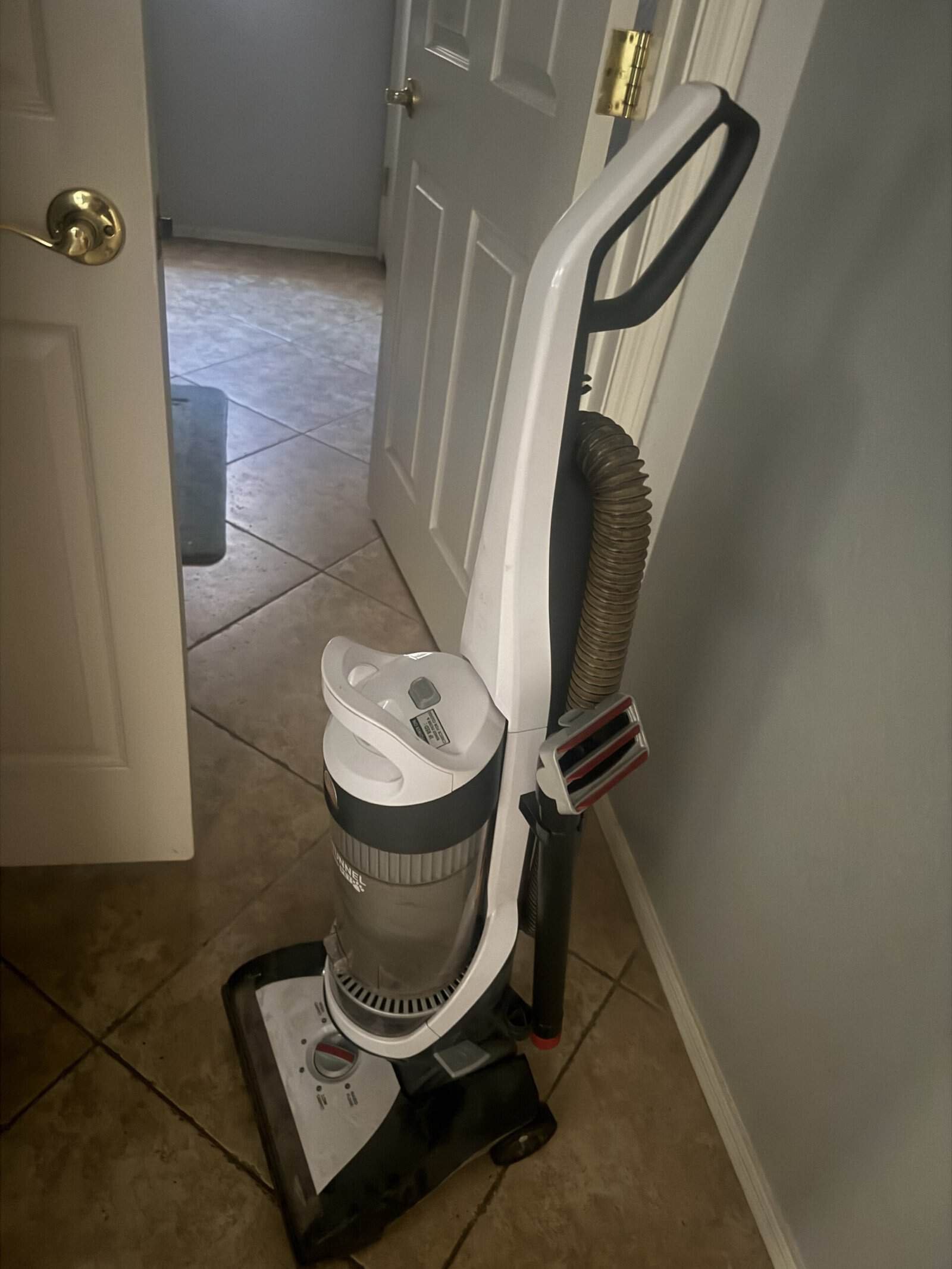
Most homes do well vacuuming high traffic areas once or twice a week and the rest every week or two, with a shedding pet pushing the high traffic number up rather than the whole house. How often should you vacuum comes down to traffic, floor type, and whether an animal lives with you. Square footage matters far less than most people expect.
Floors do not all behave the same way. Hard floors move dust around, carpet holds onto it, and a low pile rug in a busy spot sits somewhere in between. Sorting rooms by those three factors gives you a schedule you can actually keep.
Quick Answer
Vacuum entryways and hallways about twice a week, main living areas once a week, and low traffic rooms every week or two. Add a second pass in the busiest zones if a pet sheds. Anything less than every two weeks lets grit work down into carpet fibers.
Key Takeaways
- Traffic drives the schedule more than the size of the place.
- Entryways and hallways earn about two passes a week.
- Carpet needs more frequent attention than hard floors because it traps grit.
- A shedding pet raises the count in a few busy rooms, not everywhere.
- Low traffic bedrooms are usually fine every week or two.
- A cadence you can keep beats an ideal one you abandon.
| Situation | How often | Why |
|---|---|---|
| Hard floors in a low traffic home | Once every week or two | Dust and hair stay on the surface, so one pass lifts most of it. |
| Hard floors with a shedding pet | Twice a week in the busy rooms | Hair drifts and gathers along baseboards and under furniture between passes. |
| Low pile carpet | Once a week | Fibers hold grit close to the surface, where suction can still reach it. |
| High pile carpet | Once or twice a week, slowly | Deep pile hides debris, and a quick pass rarely pulls it back out. |
| Bedroom with little foot traffic | Every week or two | Less walking means less tracked in grit, though fine dust still settles. |
| Entryway or hallway | Twice a week, more if it is busy | Nearly all outdoor grit arrives here first before it spreads. |
| Area rug with furniture on it | Weekly on the open part, monthly underneath | Furniture blocks traffic, so debris collects around the edges instead. |
| Home with allergies | Twice a week in sleeping and sitting areas | More frequent slow passes keep settled dust from building up. |
Typical guidance rather than fixed rules. Adjust each row for how the room actually gets used.
What I Actually Do
The floors I live with are hardwood through the living space, with carpet in the bedrooms only. One low pile area rug sits over that hardwood with the coffee table on it. Mine is not thick, and it has never moved.
Hardwood stays visible around its edges. The weight sitting on it is what pins it down.
For equipment I keep a full size vacuum and a handheld, and there is no robot vacuum here. The handheld gets used on the couch more than anywhere else, and neither machine is a routine. It also comes out on the bed and in the car from time to time.
A dog lives with me, and shedding is a factor in how often the floors get cleaned. The dog is also scared by the noise of the upright. I vacuum every 2 to 3 weeks.
That is less often than the guidance in the table above. It is what gets done rather than what this guide recommends.
Why Traffic Matters More Than Square Footage
A small place with a busy front door needs vacuuming more often than a large one nobody walks through. Almost all of the grit on a floor arrives on shoes, paws, and bags. It lands where people walk and then gets ground in by the next set of footsteps.
That is why a schedule built around rooms works better than one built around the whole floor plan. Map the paths people take every day. Those lanes earn two passes a week, and the quiet corners can wait.
Traffic also explains why one room looks fine while another looks dusty on the same day. Use is the variable, not size.
Hard Floors Versus Carpet: Why Carpet Holds What Hard Floors Move Around
Hard floors and carpet fail in opposite directions. On wood or tile, dust and hair sit on the surface and drift with every step or air current. Nothing is hidden, so a single pass usually clears it.
Carpet works the other way. Fibers grab grit and hold it below the surface, out of sight and out of the air. That sounds better, and in some ways it is, but the debris builds up until suction pulls it back out.
So hard floors show dirt sooner and forgive a missed week. Carpet hides dirt and punishes the same delay. Grit left in the pile acts like sandpaper against the fibers whenever anyone walks across it.
Pets and Shedding: The Single Biggest Multiplier
Nothing changes a vacuuming schedule as much as an animal that sheds. Hair does not stay where it falls, because it is light enough to travel with foot traffic and air movement. It gathers along baseboards, under furniture, and in the corners of every room.
The answer is not vacuuming the entire place twice as often. It is adding a second weekly pass in the two or three spots where hair collects most. Usually that means the main sitting area, the hallway, and wherever the animal sleeps.
Soft surfaces count too. Upholstery holds hair the way carpet holds grit, so it needs its own attention rather than a wider floor schedule.
Allergies and Dust Mites: What Regular Vacuuming Changes
Dust mites live in settled household dust, and they concentrate in soft furnishings rather than on hard floors. Regular vacuuming removes some of that settled material before it builds up. It does not sterilize a room, and it is no replacement for advice from a doctor.
Carpet, mattresses, and soft cushions on a bed or sofa hold more dust than a bare floor does. Households sensitive to dust usually do better with two passes a week in sleeping and sitting areas. Slow passes matter more than extra ones.
A sealed bag or a well fitted filter also keeps fine dust from blowing straight back out. Emptying a full bin outdoors helps for the same reason.
Entryways and Bedrooms Sit at Opposite Ends of the Schedule
The entryway is the highest value place to vacuum often. Every piece of outdoor grit passes through it first, and whatever stays there gets carried deeper inside. Two passes a week at the door do more for the rest of the floors than an extra pass anywhere else.
Bedrooms usually need less than people assume. Foot traffic is low, shoes often come off before anyone gets there, and the dust that settles is finer and lighter. Every week or two is enough in most bedrooms.
Air quality is a separate question from floor cleaning, which is why a purifier in a sleeping space handles what a vacuum cannot. Sleeping areas still reward slow passes over frequent quick ones.
Can Vacuuming Too Often Damage Carpet?
Frequent vacuuming does not wear out carpet in a normal household. The wear people blame on the vacuum almost always comes from grit trapped in the pile, which cuts at fibers every time someone steps on it. Removing that grit protects the carpet rather than harming it.
The real risk is settings, not frequency. A rotating brush set too low can fray delicate or high pile fibers, and it can catch loops on looped carpet. Raise the head or switch the brush off for those surfaces.
Hard floors need the same care in reverse. Turn the brush roll off so it does not fling grit across the finish.
The Gap Between the Ideal Schedule and What Actually Gets Done
No schedule survives a busy month. Twice a week in the entryway is easy to write down and hard to keep through travel, deadlines, or a rough stretch. A realistic cadence that gets done beats an ideal one that does not.
Friction is usually the reason a plan falls apart. If the machine lives in a closet behind boxes, it stays there, which is why a cordless vacuum kept within reach gets used more than a heavier one stored away. Ease of starting matters more than suction on paper.
Set a floor rather than a target. One pass through the traffic lanes each week, with the rest whenever it happens, keeps a place in reasonable shape.
Recommended Reading
Households weighing automation can compare options in our guide to robot vacuums for small spaces. For hard floors, see how steam mops handle sealed surfaces. And for upholstery between deep cleans, try freshening a couch without a steam cleaner.
How Often Should You Vacuum: Frequently Asked Questions
How often should you vacuum if the floors look clean?
Looks are a poor guide, especially on carpet. Fine grit and hair sit below the surface long before anything shows, and hard floors hide dust along baseboards. Once a week in the traffic lanes and every week or two elsewhere keeps you ahead of what you cannot see.
Is vacuuming every two weeks enough?
Every two weeks works in a quiet home with hard floors and no pets. It stretches thin once carpet, a shedding animal, or a busy entryway enters the picture. If two weeks is the realistic ceiling, spend that time on the doorway and the main sitting area first.
Does carpet need vacuuming more often than hard floors?
Usually yes, because hard floors keep debris on the surface where one pass clears it. Carpet traps grit down in the pile, where it stays until suction lifts it and grinds against the fibers in the meantime. Weekly is a sensible baseline for carpet.
How often should a home with a shedding dog be vacuumed?
Twice a week in the rooms where hair collects, and once a week elsewhere. Hair travels, so the hallway and main sitting area fill up faster than quiet rooms do. Adding a second pass in those two or three spots does more than doubling the schedule everywhere.
Can you vacuum a high pile rug too much?
Frequency is rarely the problem, but the brush setting can be. A rotating brush set low can fray long fibers or catch loops, so raise the head or switch the brush off. Slower passes on a higher setting clean deep pile better than fast repeated ones.
Do bedrooms really need weekly vacuuming?
Most do not. Foot traffic is low and shoes usually come off before anyone reaches them, so tracked in grit stays limited. Every week or two suits a typical bedroom, though households sensitive to dust often prefer two passes a week in sleeping areas.
What is the best order to vacuum a house?
Work from the quietest rooms toward the entryway and finish at the door. That way you are not walking freshly tracked grit back across floors you just cleaned. Doing the entryway last also gives the dirtiest area its own pass rather than the tail of a full bin.
