
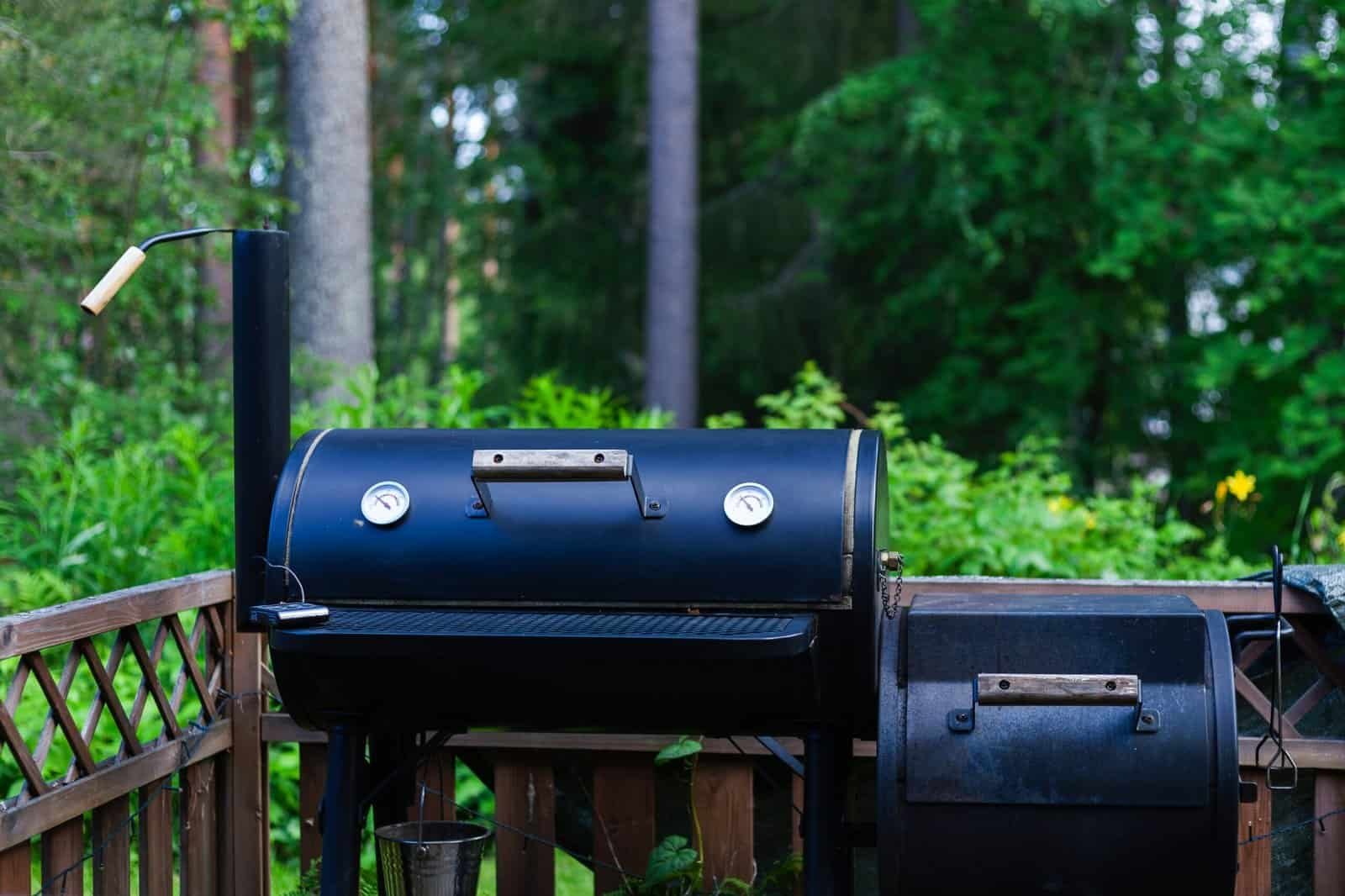
A vent matters more than waterproofing, which is the one thing worth knowing before spending anything. The best grill covers and weather protection pair a UV-coated heavy polyester shell with side vents, and the alternatives run from PVC-backed waterproof shells and fitted kamado domes to universal drawstring covers and covers with handles and pockets. Sun damage and trapped damp do more harm than rain ever manages.
A cover carries two jobs that pull against each other. It has to keep rain, snow, pollen and grit off the lid and the controls. It also has to let the damp underneath find its way back out.
That second job is the one buyers skip. A sealed shell holds moisture against bare steel, and trapped damp rusts a firebox faster than open weather does. Anyone choosing the cooker first can start with the guide to pellet grills, since hopper lids and control boards raise the cost of water getting in.
For most grills, heavy-duty polyester with a UV coating and side vents is the right call. It sheds weather, resists sun damage and still breathes. In genuinely wet climates, a vented PVC-backed cover handles standing water better, while ceramic cookers need the fitted dome shape instead.
Grill Covers at a Glance
| Type | Water Handling | Venting | Suits |
|---|---|---|---|
| Heavy-duty polyester, UV coated | Water resistant, sheds most rain | Usually two side vents | Most gas and charcoal grills outdoors |
| PVC-backed waterproof | Fully waterproof outer shell | Needs vents to breathe at all | Wet climates, heavy rain and wet snow |
| Vented cover | Water resistant, airflow designed in | Mesh or flap vents, often two | Humid areas and daily covering |
| Fitted kamado and egg-style | Water resistant, sheds off the dome | Commonly one top vent | Ceramic cookers on a nest or cart |
| Universal drawstring | Basic water resistance only | Rarely vented | Tight budgets, short-term use |
| Handles and storage pockets | Water resistant, pocket seams leak | Often vented at the rear | Grills uncovered most days |
Key Takeaways
- Venting matters more than total waterproofing, because trapped damp corrodes a grill faster than rain does.
- Denier describes yarn weight, so a higher number means heavier fabric rather than a better cover.
- UV coating protects the sun-facing panel, which always chalks, stiffens and cracks first.
- Seams usually fail before the fabric, so look closely at how the panels join.
- Measure width, depth and height instead of trusting a model name.
How We Picked These Grill Covers
We compared these cover types on four things. Fabric construction came first, then how water and trapped moisture get handled. Fit and wind behavior round out the list.
No hands-on use sits behind these picks, and none gets claimed. Instead, the assessment rests on how each construction behaves over seasons outdoors. Coated polyester chalks in sun, PVC stiffens in cold, and loose fabric abrades paint.
We also left out any sealed shell with no airflow, since that design works against the grill it covers. Where a type has a real drawback, the drawback appears in its own section.
1. Heavy-Duty Polyester Covers With UV Coating, Best Overall
Why It Stands Out
Heavy-duty polyester hits the useful middle. The woven face sheds rain and blocks grit. Meanwhile the fabric holds its shape rather than stretching out of true.
Polyester also dries fast once weather clears. That matters, because a soaked cover keeps feeding moisture to the lid. Most covers in this class add side vents too.
Worth Knowing
The coating ages, not the weave. Expect the panel facing afternoon sun to chalk first, then stiffen, then craze. Shaded panels still look fine at that point.
Water resistance has a ceiling here as well. Under hours of wind-driven rain, seams can wet through even when the fabric holds. Taped or double-stitched seams push that limit further out.
This type suits almost any gas or charcoal grill kept on a patio year round. Owners in persistently wet coastal weather should look at PVC instead, and ceramic domes need a fitted shape. Best for: patio grills facing strong sun and intermittent rain.
2. PVC-Backed Waterproof Covers, Best for Wet Climates
Why It Stands Out
A PVC backing laminated to woven fabric stops water completely. Rain beads and runs off instead of soaking in. Wet snow sitting on the lid for a week will not wick through.
The laminate adds body too, so the cover holds shape in wind. Sideways rain is where owners notice the gain, usually on the control panel and ignition. Readers weighing bad-weather cooks can look at grilling in the rain first.
Worth Knowing
A fully waterproof shell cannot breathe, and that is the catch. Warm air rises off a grill for hours after a cook. It then condenses on the cool inside face of the PVC.
Cold is the second issue. PVC stiffens as temperatures drop, and a stiff cover can split at a fold. So buy this type vented, and handle it gently in winter.
This cover suits wet coastal and northern climates with standing water or snow load. Dry, hot regions gain little and pay for it in breathability. Best for: grills facing sustained rain or wet snow, bought in a vented version.
3. Vented Covers, Best Condensation Control
Why It Stands Out
Vented covers treat airflow as the point. Mesh panels or flap vents sit high on the sides, where warm damp air collects. As a result the space underneath equalizes with outside air.
That one change does more for a finish than extra waterproofing ever will. Rust needs moisture sitting still against metal. Move the moisture out, and the condition disappears.
Worth Knowing
Vents are openings, and openings can admit water. An unhooded vent will take in spray during wind-driven rain. So placement and shielding matter far more than vent count.
Mesh also snags and tears, since it is the weakest material on the cover. Still, a torn vent is cosmetic, while trapped damp is corrosion.
This type suits humid regions, shaded patios and anyone covering a grill the same day they cook. Arid climates can treat venting as optional rather than essential. Best for: humid or shaded spots where condensation, not rainfall, is the threat.
4. Fitted Covers for Kamado and Egg-Style Cookers, Best Shape Fit
Why It Stands Out
A ceramic dome is a shape no rectangular cover follows. Fitted covers are cut for it, with a curved crown and a hem shaped to clear a nest or cart. Because the fabric lies against the cooker, wind cannot get under it.
Fit protects the parts that matter most. The top vent cap, hinge spring and band hardware all sit exposed. Anyone still choosing the cooker can read whether a kamado earns its price.
Worth Knowing
Fitted means model-specific, so measuring is not optional. Take width at the widest point, depth including the hinge, and height to the top of the vent cap. Model names change between sizes and years.
Ceramic also holds heat for a long time. A kamado can stay warm overnight, which keeps pushing moisture into the cover. Dry hardware is part of how long a ceramic cooker lasts.
This cover suits any kamado left outside, which is most of them. Cookers stored in a garage or under a deep porch roof can use a lighter dust cover. Best for: ceramic domes outdoors, where shape fit decides how the hardware ages.
5. Universal Drawstring Covers, Best Budget Choice
Why It Stands Out
Universal covers cost little and come in a few broad sizes. The drawstring runs through the hem, so pulling it tight gathers fabric under the firebox. For a weekend grill, that is often enough.
The drawstring earns its place here. A loose cover flaps in wind, and flapping fabric acts like fine sandpaper on paint. Cinch the hem, and the motion stops.
Worth Knowing
Generic sizing leaves slack somewhere no matter which size gets picked. Fabric bunches at the corners, and water pools in those folds instead of running off. Pooled water is heavy, and weight pulls on stitching.
Fabric weight is modest in this class too, so seams go before panels. Once a shoulder seam opens, water runs straight onto the lid.
This cover suits a seasonal grill, a second grill, or a stopgap. Anyone leaving an expensive grill out through winter should buy heavier fabric. Best for: low-cost coverage on a grill that spends limited time exposed.
6. Covers With Handles and Storage Pockets, Best for Convenience
Why It Stands Out
Handles change the daily routine. Pulling a heavy cover off by the hem drags it across the lid and strains stitching. Sewn-in handles let it lift straight up and go back on square.
Storage pockets add somewhere for a lighter, thermometer and brush to live. Small tools then stay out of the weather without a separate box. Anyone also running an electric smoker gains a spot for probes and clips.
Worth Knowing
Every pocket is a hole cut in the cover and stitched back together. Those seams leak first, and an open-topped pocket collects rain. Closed pockets with a flap or zip avoid most of that.
Handles concentrate load too. A handle sewn through only the outer layer will pull free eventually. Added hardware also adds weight and bulk for winter storage.
This cover suits frequent grillers who uncover and recover most days. Covering once in fall and uncovering in spring gains nothing from pockets. Best for: everyday use, where handling matters as much as weather.
What to Look For in a Grill Cover
What Does Denier Mean on a Grill Cover?
Denier describes the weight of the yarn, so a higher number means thicker yarn. Heavier fabric usually resists tears and punctures better. However, it also traps more heat and folds stiffly in cold, so weave quality and coating matter alongside the number.
How Tight Should a Grill Cover Fit?
A cover should follow the grill closely with no loose panels. Slack fabric flaps in wind and abrades the finish, yet a drum-tight cover tears at the corner seams. Aim for snug across the lid and gathered at the hem.
How Do You Measure a Grill for a Cover?
Measure three numbers: width at the widest point, depth front to back, and height to the top of the lid. Take width with the side shelves where they normally sit, since a folded shelf and a deployed shelf differ sharply. Model names also change between years, so measurements beat names.
Do UV-Coated Covers Really Last Longer?
Yes, because sunlight breaks most covers, not water. Ultraviolet light attacks the polymer in the coating and the yarn, so a cover cracks on the sun-facing side first. A UV coating absorbs that damage and buys the fabric underneath extra seasons.
Waterproof Cover or Vented Cover
When Does a Fully Waterproof Cover Make Sense?
A fully waterproof cover makes sense where water arrives in volume and stays. Long coastal rain qualifies, as does wet snow sitting on the lid. A grill parked under a dripping gutter counts too.
Even then, the cover needs an exit for humid air. Buy the waterproof shell with vents, or condensation forms inside and runs onto the firebox. The real choice is waterproofing with venting against waterproofing alone.
Why Does Venting Beat Pure Waterproofing for Daily Use?
Because corrosion needs standing moisture, and a sealed cover supplies it. Warm air leaves a grill for hours after cooking. It rises, meets the cooler outer fabric and condenses into droplets.
Those droplets then fall back onto the cook box and sit there. Open air dries a grill between showers, so a sealed cover can leave a firebox wetter than no cover at all. Owners who close their vents after a cook can see that routine in the guide to shutting a ceramic cooker down.
Common Grill Cover Mistakes to Avoid
Covering a Grill Before It Cools
Covering a warm grill drives heat and moisture into the fabric. The coating softens, and a lining can fuse to the lid. Wait until the cook box feels cool, which on ceramic may mean the next morning.
Treating a Cover as Grate Maintenance
A cover keeps rain off cast iron, but it does not keep cast iron seasoned. Bare iron still oxidizes in humid air, so grates need oiling after every cleaning. The routine in the guide to cleaning a ceramic cooker applies to covered grills too.
Leaving the Side Shelf Up
A cover sized for folded shelves will not clear deployed ones without stretching, and stretched fabric tears at the corners. Conversely, a cover sized for deployed shelves hangs loose and flaps. So pick one configuration, measure for it, and keep the grill that way.
Grill Cover FAQ
What Are the Best Grill Covers and Weather Protection Options for an Outdoor Grill?
Heavy-duty polyester with a UV coating and side vents suits most grills. It sheds rain, resists sun damage and still breathes. PVC-backed covers handle sustained rain and wet snow better. Fitted covers match ceramic domes. Universal drawstring covers work as budget stopgaps, while covers with handles suit grills uncovered most days. Venting belongs on all of them.
Can a Grill Cover Make Rust Worse?
Yes, and that surprises people. A sealed cover with no vents traps humid air against steel. It then holds that air there after every cook. Rust needs standing moisture rather than occasional rain. So the metal stays wet far longer than it would in open weather. A vented cover protects better, even though a sealed one blocks more water.
How Long Does a Grill Cover Usually Last?
Sun exposure drives lifespan far more than rainfall does. A cover in full afternoon sun ages faster than the same cover in shade. Failure also tends to start at the seams rather than mid-panel. Stitching opens, and water then runs straight onto the lid. Checking the seams each spring catches most of it early, well before the fabric gives out.
Should a Grill Cover Be Removed in Winter?
No, but winter use differs from daily use. Lift the cover occasionally through a long cold stretch so air can move. Knock snow off too, because snow load pulls hard on stitching. Also handle PVC gently once temperatures drop. The laminate stiffens in cold, and a stiff cover forced over a lid can split along a fold.
Does a Grill Cover Need to Be Fully Waterproof?
Not for most owners. Water-resistant coated polyester sheds normal rain and dries quickly afterward, which is usually enough. Full waterproofing earns its keep only where water sits for days. Coastal rain and wet snow on the lid both qualify. Even then, buy a waterproof cover that vents, or condensation simply replaces the rain.
How Do You Stop a Grill Cover Blowing Off?
Use the fastening the cover came with, every time. A drawstring pulled tight under the firebox works well. So do hem buckles and side straps. All of them remove the slack that wind needs to get underneath. Loose covers do more than blow away, though: the flapping itself scours paint off a lid within a season.
Can One Cover Fit Two Different Grills?
Rarely, and the compromise costs something. A cover large enough for the bigger grill hangs loose on the smaller one. Loose fabric then flaps, and water pools in the folds. Measuring both grills and buying separately works out better. Where budget forces a single cover, size it to the larger grill and cinch the drawstring hard.
Worth reading next: gear that sits alongside a cover includes a set of mats that protect a patio or deck and a chimney starter for lighting charcoal without fluid. For balconies and tight spaces, there are also affordable electric grills that store indoors.
