
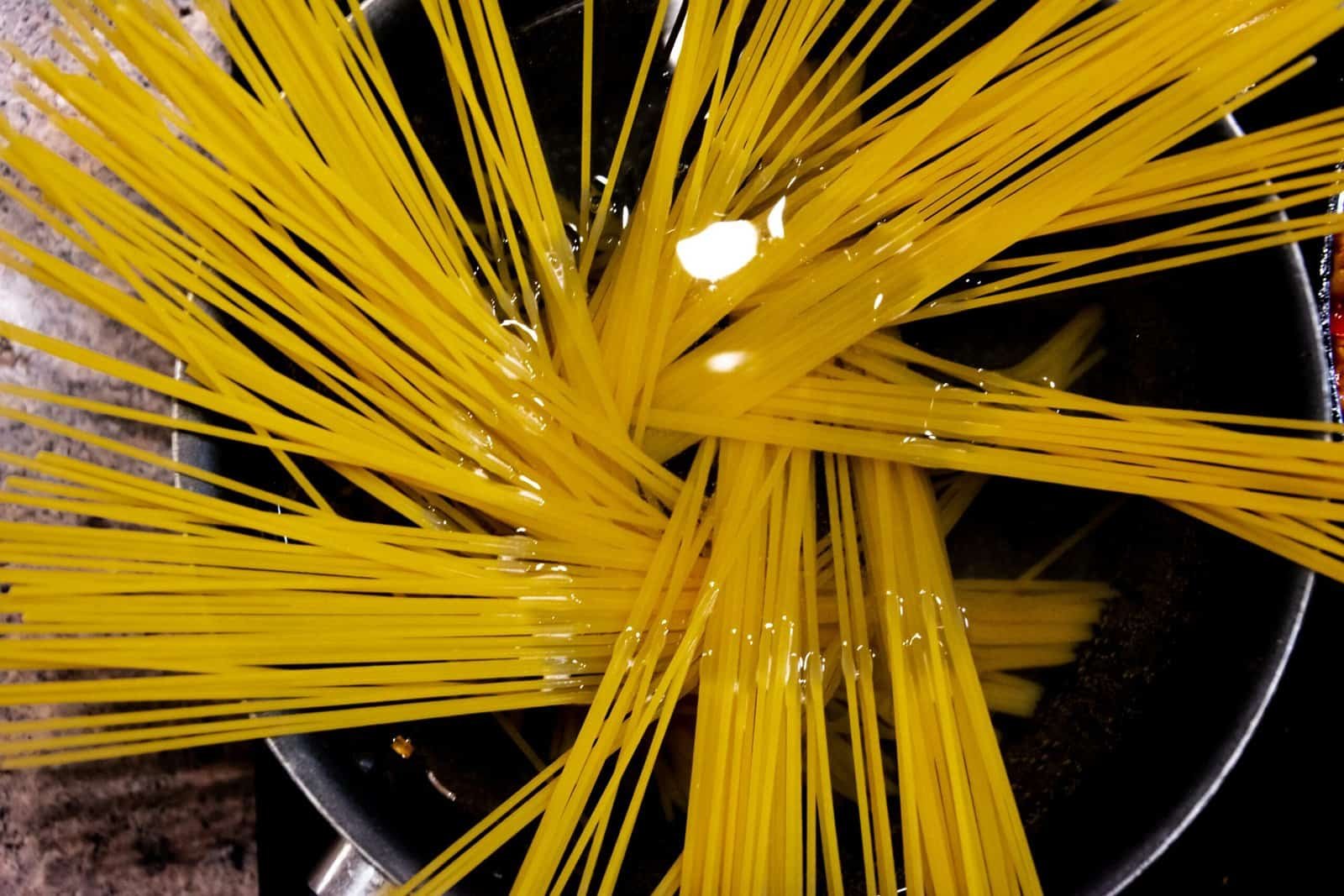
Every Italian grandmother and every cooking show host tells you to salt your pasta water generously. The standard line is that pasta water should be “salty as the sea.” Many people follow this advice without quite knowing why, and a few of the common explanations (it makes water boil faster, it seasons the pasta dramatically, it prevents sticking) are either wrong or massively overstated. If you’re shopping, start with our guide to the best water filter pitchers.
The real reason is simpler than the lore suggests, but still important enough to bother with. This guide walks through what salt actually does to pasta water, what the myths get wrong, and the practical guidance for getting it right.
Key Takeaways
- The main reason to salt pasta water is to season the pasta from the inside, since pasta absorbs salt as it absorbs water.
- Salt does NOT meaningfully prevent sticking; that’s a moisture and stirring issue, not a salt issue.
- Salt does NOT speed boiling in any noticeable way (the physics effect is real, but too small to measure in normal cooking)
- The right amount is generous: enough that the water tastes saltier than you’d want to drink, since most of the salt goes down the drain.
What Salt Actually Does
The primary effect of salted pasta water is to season the pasta itself. As pasta cooks, it absorbs water (which is part of why pasta starts hard and becomes soft). If that water has salt dissolved in it, the pasta absorbs the salt water and gets seasoned from the inside. Unsalted pasta cooked in salty sauce is seasoned only on the outside; salted-water pasta is seasoned throughout. The same kind of from-the-inside flavor development happens with other cooking chemistry, including the surface reactions covered in our article on why food browns when cooked.
The difference is real and noticeable. Taste cooked unsalted pasta plain. It’s bland, almost lifeless. Taste cooked properly-salted pasta plain. It has flavor. The salt brings out the wheat flavor of the pasta itself and provides a base layer that the sauce builds on rather than competes with.
This seasoning effect is the only major reason to salt pasta water, but it’s important enough that good cooks won’t skip it.
The Boiling Point Myth
One of the most repeated claims about salted water: it boils faster (or hotter) than unsalted water. The technical physics behind this claim has some truth, but the practical kitchen reality is essentially zero effect.
The physics: dissolving any solute in water raises the boiling point slightly. This is called boiling point elevation, and it’s real chemistry. More dissolved substance, higher boiling point.
The reality: the amount of salt actually used in pasta water raises the boiling point by a tiny fraction of a degree. The effect is so small that you cannot measure it with any normal kitchen thermometer. The water boils at essentially the same temperature whether you’ve salted it or not.
Some people claim salted water boils faster because of the elevated boiling point: since the salt water reaches a higher target temperature, more heat input is needed, and therefore boiling is delayed. The opposite of “boils faster.” Both directions of the myth exist; neither is meaningful at home cooking salt levels.
The practical answer: salt for seasoning, not for boiling effects. The water boils the same either way.
The Sticking Myth
Another common claim: salt prevents pasta from sticking together. Sometimes you’ll hear that it changes the starch surface chemistry.
The reality: pasta sticking is primarily a matter of starch released from the pasta surface during cooking. The starch makes the surfaces sticky, and pieces clump or fuse if they’re touching while still cooking. Salt doesn’t meaningfully affect this.
What actually prevents sticking:
Enough water. A large pot of water dilutes the released starch and gives the pasta room to circulate without piling together. A small pot of water becomes a starch slurry that promotes sticking.
Stirring early. Pasta sticks most aggressively in the first minute or two as the surface starch begins to release. Stirring during this window separates pieces before they fuse.
Stirring occasionally. Even after the initial period, occasional stirring keeps pieces moving and prevents clumping at the bottom of the pot.
Not adding oil to the water. Oil floats and doesn’t coat the pasta during cooking. After draining, the oil left on pasta surfaces actually makes the sauce slip off rather than adhere. Skip the oil-in-water step.
If pasta is sticking, the cause is almost always insufficient water or insufficient stirring. Adding more salt doesn’t fix sticking; adjusting the water-and-stirring approach does.
How Much Salt
The “salty as the sea” benchmark is actually pretty accurate. Sea water is about 3.5% salt by weight; pasta water at the recommended salinity is usually around 1% to 1.5% by weight. So less salty than the actual sea, but in the same neighborhood.
In practical terms:
Per gallon of water (about 4 liters), use roughly 2 to 3 tablespoons of table salt or about 4 to 5 tablespoons of kosher salt. Kosher salt has larger crystals and weighs less per volume.
Taste check: the water should taste distinctly salty, more salty than you’d want for drinking water. Not gag-inducing, but clearly seasoned. If it tastes mildly seasoned, add more.
The reason for the high salt concentration: most of the salt goes down the drain when you discard the pasta water. Only a small fraction of the dissolved salt ends up in the pasta. Under-salting the water under-seasons the pasta significantly.
People often dramatically under-salt pasta water because they’re thinking about how much salt they want to consume rather than how much needs to be in the cooking medium to season the pasta to the right level. The salt you taste in the water is mostly going away in the drained water.
For accurate measurement in your own kitchen, consider weighing salt rather than measuring by volume. Different salt brands and types have different crystal sizes that affect volume measurements. See our companion article on best kitchen scales for precision tools that make this easier.
When to Add the Salt
Some recipes specify “salt the water when it’s boiling, not before.” The reasoning offered is usually that salt pits or corrodes pots, especially stainless steel.
The reality: at the salt concentrations used in pasta water, with normal modern stainless steel, there’s no meaningful corrosion concern at typical kitchen exposure times. Adding salt to cold water versus boiling water makes no difference to the pasta. The salt dissolves either way.
The practical timing: add salt whenever convenient. Most cooks add salt after the water has heated but before adding pasta. Some add when filling the pot. Either works.
If you have particularly old or low-quality stainless steel and salt has been pitting it, address that with newer cookware rather than timing salt additions. The pitting issue is real for some materials, but not at any meaningful rate for normal modern stainless steel.
What Kind of Salt
Several salt options work for pasta water:
Table salt. Cheapest option, dissolves quickly. Works fine. Iodized table salt has trace iodine that doesn’t affect pasta flavor at cooking levels.
Kosher salt. Larger crystals take a moment longer to dissolve in cold water. Generally preferred by chefs for general use because the larger crystals are easier to grab and sprinkle. For pasta water, either kosher or table salt works equally well in the dissolved water.
Sea salt. Marginal flavor differences from refined salts are mostly imperceptible once dissolved in cooking water and absorbed by pasta. Don’t pay premium prices for “sea salt for pasta water”; the cheapest pasta-water salt works as well as the most expensive.
Specialty salts (Maldon, fleur de sel, smoked salt). Waste them on pasta water. These salts have textures and flavors that matter when used as finishing salts, where the salt is consumed visibly on top of food. Dissolved in cooking water, they’re equivalent to cheap salt at a much higher cost.
The pattern: use the cheapest salt that’s chemically just sodium chloride. Save the fancy salts for applications where their distinctive properties show.
📑 Recommended Read: If you’re cooking enough pasta to care about getting it right, a quality pasta maker for fresh homemade pasta takes the next-level step. Fresh pasta cooks differently than dried (faster, with different texture) but follows similar salt principles. Check out our tested breakdown of the pasta makers for options that turn your kitchen into a real Italian setup.
The Pasta Water Connection to Sauce
A separate but related principle: reserving some of the salty, starchy cooking water for adding to the sauce. Most recipes mention this, and most home cooks skip it.
The water at the end of cooking contains dissolved salt plus starch released from the pasta. When added to the sauce in small amounts (a few tablespoons usually), it does several useful things:
Adjusts sauce thickness. Sauce that’s reduced too much can be thinned with pasta water without diluting the seasoning, since the water itself is seasoned.
Helps sauce coat pasta. The starch in the water acts as an emulsifier, helping oil-based or cream-based sauces bind to pasta surfaces rather than slipping off.
Provides additional seasoning. The salt in the water adds to the overall seasoning of the dish.
The technique: just before draining, scoop a cup of the cooking water and set it aside. Drain the pasta. Combine pasta with sauce in a pan and add small amounts of the reserved water to adjust as needed. Most cooks use only a small portion of what they reserve.
This trick depends on the cooking water being properly salted in the first place. Under-salted cooking water makes for an under-salted sauce-extending water.
Pasta Water for Different Pasta Types
Most of the salt guidance applies the same way across pasta types, but with minor variations:
Dried pasta. The standard case. 2-3 tablespoons salt per gallon. Cook until al dente.
Fresh pasta. Same salt level but much shorter cooking time. Fresh pasta absorbs water and salt faster, so less time in the water is needed. The salting principle is unchanged.
Filled pasta (ravioli, tortellini). Same salt level. Watch carefully because filled pasta can split if boiled too aggressively. Salt doesn’t increase splitting; aggressive boiling does.
Whole wheat pasta. Same salt level. The slightly different starch and flavor profile doesn’t change the salting requirement.
Gluten-free pasta. Same salt level. The starches in gluten-free pasta absorb water and salt similarly to wheat pasta.
The salt amount is determined by the water volume and target salinity, not by the pasta type. Most pasta varieties benefit equally from properly salted water.
What About Other Boiled Foods
The pasta-water salting principle extends to other foods that absorb water during cooking:
Potatoes. Boiled potatoes benefit from heavily salted water for the same reasons as pasta. The salt seasons them throughout rather than just on the surface.
Beans. Salted water for beans is sometimes debated (does salt affect cooking time?). Recent evidence suggests salt doesn’t significantly delay bean cooking and seasons them better. Salt your bean water.
Rice. Salt for rice cooking works similarly. Properly salted cooking water makes for properly seasoned rice.
Vegetables. Briefly blanched vegetables benefit from salted water. Longer-cooked vegetables that will be discarded after cooking (vegetable stocks, blanched-then-shocked vegetables) need less salt since the salt mostly stays in the water.
The general principle: foods that absorb water during cooking absorb the dissolved salt too. Match salt levels to the absorption-and-seasoning pattern.
Common Mistakes and How to Avoid Them
Not salting at all. The biggest mistake. Plain pasta is bland in a way that sauce can’t fully fix. Even modest salt makes a noticeable difference.
Under-salting because the water “tastes salty enough.” The water needs to taste more salty than you’d want to drink because most of the salt washes away in the drain. Trust the recipe quantities or the salty-sea benchmark.
Adding oil to the water. Doesn’t prevent sticking. Does prevent sauce from adhering to pasta after cooking. Skip the oil.
Using too little water. Causes sticking and reduces the dilution, which helps pasta cook evenly. Use a large pot with plenty of water.
Not stirring early. Sticking happens fast in the first minute or two. Stir immediately after adding pasta.
Skipping the reserved pasta water. Adds flavor and helps the sauce bind. Easy to do; significantly improves results.
Worrying about salt corroding pots. Not a meaningful concern with normal modern stainless steel and normal cooking times.
Using expensive specialty salts. Wasted in cooking water. Save them for finishing applications where their properties show.
Frequently Asked Questions
Does salt really need to be added to pasta water? Yes, if you want pasta seasoned throughout rather than bland on the inside. The flavor difference is real and noticeable. Cooks who serve unsalted pasta often don’t realize how much flavor potential the dish has.
Will I consume too much sodium from salted pasta water? Most of the salt goes down the drain. The pasta absorbs only a fraction. Concerned eaters can use slightly less salt and accept slightly under-seasoned pasta, but eating pasta cooked in properly salted water isn’t a meaningful sodium burden compared to other dietary sources.
Does the type of salt matter? Not really for dissolved cooking water. Use the cheapest plain salt. Save specialty salts for finishing.
Should I salt the water before or after it boils? Either works. Salt dissolves equally well in cold and hot water for the small amounts involved. Pot corrosion concerns are not meaningful at normal cooking exposure times.
How does pasta absorb the salt? Pasta absorbs water during cooking. Whatever’s dissolved in that water (salt, in this case) goes with it into the pasta structure. The salt becomes evenly distributed throughout the pasta.
Why does salted pasta taste so much better than unsalted pasta? Salt brings out the natural flavors of the wheat and provides a baseline of seasoning that the sauce can complement rather than having to provide entirely. Unsalted pasta is essentially a flavor vacuum that good sauce can fill, but not perfectly.
Can I use too much salt in pasta water? Yes, if you really overdo it. At ten times the recommended amount, you’d produce pasta too salty to eat. At the recommended amounts, pasta water salting is hard to overdo.
What if I’m watching my salt intake? Use less salt rather than none. Even half the recommended amount produces meaningfully better pasta than no salt at all. The drained water leaves most of the salt behind, regardless.
Recommended Reading
See also our guides to countertop water filters, and salt and pepper grinders. See also our guides to box graters, egg slicers, fine mesh strainers, herb scissors, ice cream scoops, pizza cutters, and why eggs cook differently.
Related Reading
Explore more: how to choose a water filter, smart water leak detectors, countertop water filters, and water filter pitchers. Also explore: mesh wifi systems.
For dry spices versus wet pastes, compare a mortar and pestle and a spice grinder.
