
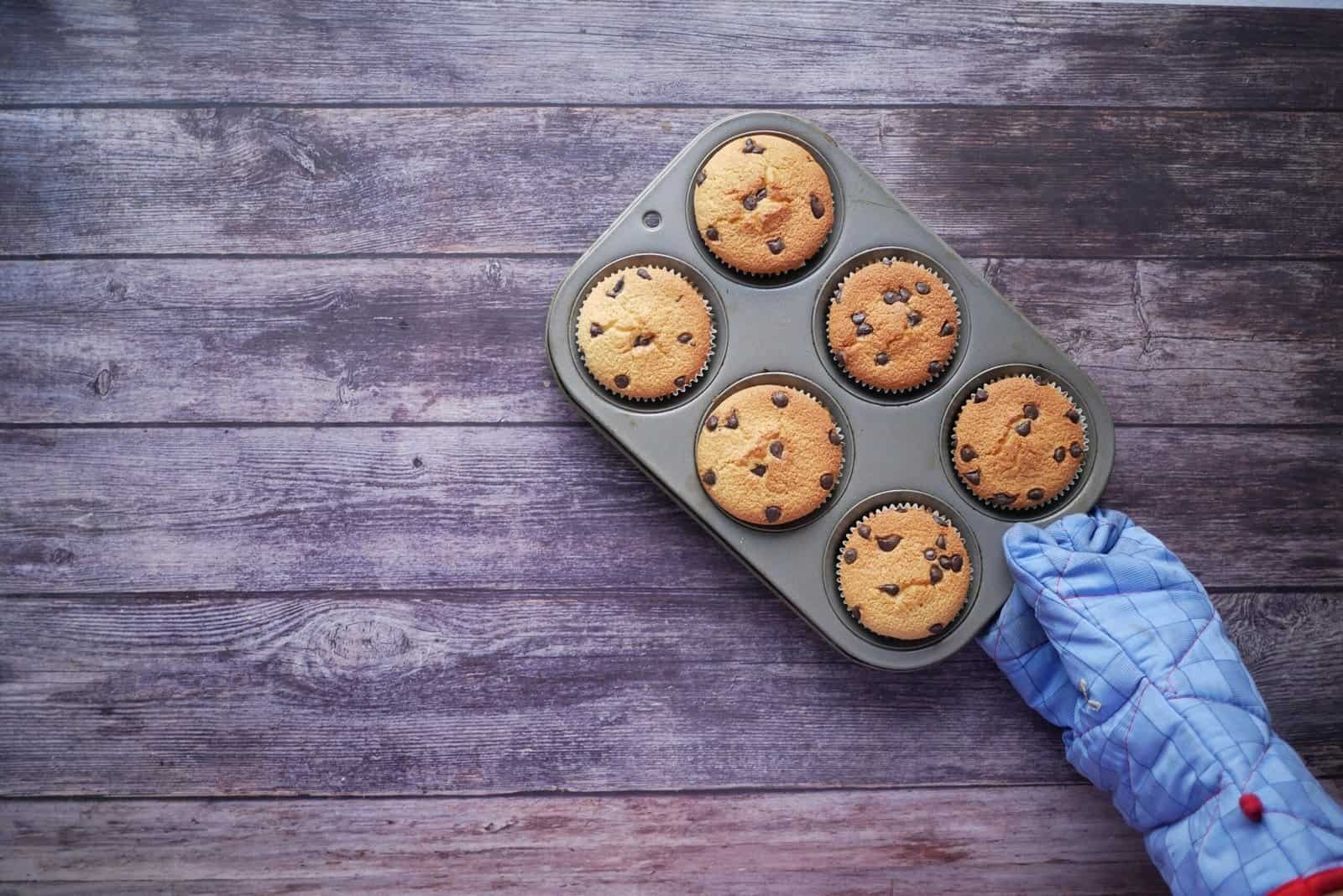
A flimsy muffin pan warps in the oven and grips every muffin; a good one bakes evenly and releases clean for years. The best muffin pans sit on the right side of that line, turning out even cupcakes and muffins without the stuck bottoms and hot spots that ruin a batch. The right one depends on how often you bake, whether you want nonstick or silicone, and how much you want to spend.
For most bakers the USA Pan muffin pan is the best all-rounder, with even browning and reliable release. Frequent bakers, silicone fans, and budget shoppers each have a better fit below.
Top pick: The USA Pan Muffin Pan uses aluminized steel with a fluted, coated surface for even baking and easy release, and it holds up batch after batch. Want flexible release? Try a Trudeau silicone pan. On a budget? The Wilton Recipe Right pan delivers.
| Your situation | USA Pan | Nordic Ware | OXO | Wilton | Trudeau Silicone | Chicago Metallic |
|---|---|---|---|---|---|---|
| Best all-rounder | Best fit | Workable | Workable | Workable | Workable | Workable |
| Easiest release | Workable | Workable | Best fit | Workable | Best fit | Workable |
| Heavy use | Best fit | Best fit | Workable | Skip | Workable | Best fit |
| Tight budget | Workable | Workable | Workable | Best fit | Workable | Skip |
| Storage in cabinet | Workable | Workable | Workable | Workable | Best fit | Workable |
Prices and pan sizes vary; confirm the cup count and current cost before buying.
Disclosure: SmartLifeItems is reader-supported. As an Amazon Associate, we earn from qualifying purchases made through links on this page, at no extra cost to you.
How We Picked the Best Muffin Pans
We focused on what bakers feel batch after batch: even browning, clean release, durability against warping, the cup count, and how easy each pan is to clean and store. We leaned toward heavier-gauge pans that resist warping, and we note where a silicone pan trades structure for flexible release. Lighter pans earn a place where price and simplicity matter more than longevity. Round out your kit with our best cooling racks for muffins that set without sweating.
Recommended read: Building a baking corner? See our best mixing bowl sets to batter up with less mess.
USA Pan Muffin Pan
The USA Pan is the baker’s default, built from aluminized steel with a fluted, coated surface that browns evenly and releases cleanly. It is the pan most home bakers should reach for first.
Why It Stands Out
The heavy aluminized steel resists warping, and the corrugated, coated surface promotes even baking and easy release. It feels sturdy in the hand and holds its shape through years of batches.
Worth Knowing
The coating is best preserved with a light grease and gentle, hand-wash care rather than harsh scrubbing. It is pricier than basic pans, though the durability earns it back.
Best for regular bakers who want even results and a pan that lasts. Skip it if you want the cheapest option or prefer a fully flexible silicone pan.
Nordic Ware Muffin Pan
Nordic Ware brings heavy-gauge aluminum and a reputation for durable bakeware. Its muffin pans bake evenly and shrug off heavy use, making them a workhorse for busy kitchens.
Why It Stands Out
The thick aluminum heats evenly and resists warping under frequent use. The build quality is reassuring, the kind of pan that survives years of weekend baking.
Worth Knowing
Some versions are uncoated natural aluminum, which bakes beautifully but needs greasing or liners for release. Confirm whether the model you choose is nonstick or natural.
Best for frequent bakers who want durable, even-baking pans and do not mind using liners. Skip it if you want a fully nonstick surface with zero prep.
OXO Good Grips Nonstick Muffin Pan
OXO’s nonstick muffin pan is the easy-release pick. A robust nonstick coating and a sturdy body make it forgiving for newer bakers who want muffins to pop out cleanly.
Why It Stands Out
The nonstick coating releases muffins with little fuss, and the rolled edges give a confident grip pulling the pan from the oven. It cleans up quickly, which lowers the barrier to baking often.
Worth Knowing
Protect the coating with nonstick-safe utensils and gentle washing to extend its life. As with all nonstick, very high heat and metal tools shorten its lifespan.
Best for newer bakers and anyone who wants the easiest release and cleanup. Skip it if you prefer uncoated pans or bake at very high temperatures.
Wilton Recipe Right Muffin Pan
Wilton’s Recipe Right line is the budget standby, found in countless home kitchens. It is inexpensive, widely available, and good enough for the occasional batch.
Why It Stands Out
The low price and easy availability make it a painless first muffin pan. The nonstick surface handles casual baking and washes up without drama.
Worth Knowing
Lighter steel can warp under high heat or heavy use over time, so it suits occasional rather than daily baking. Treat it gently and avoid sudden temperature shocks.
Best for casual or beginning bakers who want a cheap, capable pan. Skip it if you bake often and want a pan that resists warping for years.
Trudeau Silicone Muffin Pan
Trudeau’s silicone muffin pan is the flexible-release choice. Its bendable body lets you pop muffins out by flexing the cups, and it folds away for easy storage.
Why It Stands Out
Silicone releases muffins by flexing, so even sticky batters come out cleanly with little grease. It stores flat or folded, which helps in a crowded cabinet.
Worth Knowing
Floppy silicone needs a baking sheet underneath for support when moving it in and out of the oven. It browns a little differently than metal, so watch your first batch.
Best for bakers who want effortless release and compact storage. Skip it if you want crisp, even browning or a rigid pan you can move one-handed.
Chicago Metallic Muffin Pan
Chicago Metallic is a bakery-leaning brand, and its muffin pans target people who bake a lot. Heavy construction and even performance make it a strong pick for serious home kitchens.
Why It Stands Out
The sturdy build bakes evenly and stands up to frequent use, with options across cup counts and sizes. It feels like a step toward professional bakeware without the professional price.
Worth Knowing
Some lines are coated and some are natural, so confirm which you are buying. The heavier pans cost more than budget options, matching their durability.
Best for enthusiastic bakers who want bakery-style durability and even results. Skip it if you only bake occasionally and want to spend less.
How to Choose a Muffin Pan
Four questions narrow it down quickly.
Choose Your Material
Aluminized and heavy steel brown evenly and last, nonstick releases easily, and silicone flexes for effortless removal. Match the material to whether you value browning, easy release, or compact storage most.
Pick the Right Cup Count
Standard 12-cup pans suit most bakers, while jumbo and mini pans serve specific recipes. If you bake big batches, two pans or a larger format saves time, so think about your usual quantity.
Weigh Durability Against Price
Heavier pans resist warping and last for years but cost more, while light budget pans suit occasional use. Frequent bakers should invest up front, since a warped pan bakes unevenly.
Confirm It Fits Your Oven and Cabinet
Check the pan’s footprint against your oven rack and your storage space. Silicone folds away, while rigid metal pans need a dedicated slot, which matters in a tight kitchen.
Metal vs Silicone Muffin Pans
The biggest fork in the road is metal versus silicone, so weigh the two.
Where Metal Wins
Metal pans brown muffins more crisply and evenly, hold their shape, and move in and out of the oven without support. They are the choice for the best texture and rigid handling.
Where Silicone Wins
Silicone releases sticky batters with almost no grease and folds flat for storage. It is forgiving and easy to clean, though it browns more gently and needs a sheet underneath for support.
Common Muffin Pan Mistakes to Avoid
The right pan still disappoints with the wrong technique. Avoid these.
Skipping Liners or Grease
Even nonstick pans release better with liners or a light grease, especially for low-fat batters. Prep the cups unless the recipe and pan clearly allow bare baking, and your muffins will come out whole.
Overfilling the Cups
Filling cups to the brim makes muffins spill, flatten, and stick to the top of the pan. Fill cups about two-thirds full so muffins dome neatly and release cleanly.
Cooling Muffins in the Pan Too Long
Leaving muffins to cool fully in the pan can steam the bottoms and make them stick. Let them rest briefly, then move them to a cooling rack so the bottoms set crisp.
Cutting Nonstick with Metal Tools
Prying muffins out with a metal knife scratches nonstick coatings and shortens their life. Use a silicone or plastic tool, or flex a silicone pan, to protect the surface.
Getting the Best Results From Your Muffin Pan
The pan sets you up, but a few habits decide the batch.
Prep and Fill Consistently
Grease or line the cups even on nonstick, and fill each about two-thirds full so muffins dome evenly. Filling every cup to a similar level helps them bake at the same rate, which matters most in a full pan.
Bake and Cool the Right Way
Rotate the pan partway through if your oven has hot spots, then move muffins to a rack so the bottoms do not steam. A pan that lines up with your other silicone baking mats and bakeware keeps results consistent.
Round Out Your Baking Kit
Muffins are one piece of a baking corner that also turns out cakes and quick breads. If you bake often, our best cake pans and stand mixer guide build out the rest.
Frequently Asked Questions
What is the best muffin pan?
For most bakers, the USA Pan muffin pan is the best all-rounder, with heavy aluminized steel that browns evenly and releases cleanly for years. Silicone fans may prefer a Trudeau pan, while budget shoppers can grab a Wilton Recipe Right pan.
Do I need to grease a nonstick muffin pan?
Usually a light grease or liners still helps, especially for lean batters. Nonstick reduces sticking but is not foolproof, so a quick prep keeps muffins whole and makes cleanup easier.
Are silicone muffin pans safe and reliable?
Food-grade silicone pans are widely used and release muffins easily. They need a baking sheet for support and brown more gently than metal, so they suit bakers who prioritize easy release and storage.
What size muffin pan should I buy?
A standard 12-cup pan covers most recipes. Choose jumbo or mini pans for specific results, and consider owning two standard pans if you often bake large batches.
Why do my muffins stick to the pan?
Sticking usually comes from skipping liners or grease, cooling too long in the pan, or a worn coating. Prep the cups, cool muffins briefly then transfer them, and replace pans whose coating has degraded.
Can muffin pans go in the dishwasher?
Many nonstick and silicone pans can, but hand-washing protects coatings and extends pan life. Check the manufacturer’s guidance, since repeated dishwasher cycles can dull or wear some surfaces.
Can I bake cupcakes in a muffin pan?
Yes, muffin and cupcake pans are the same standard size, so either works for both. Use paper liners for cupcakes for easy release and a clean look, and fill the cups about two-thirds full.
Recommended Reading
See also our guides to springform pans.
Related Reading
Explore more: roasting pans, springform pans, grill pans, and how to line cake pans parchment. Also explore: saucepans everyday cooking, and how to sharpen a knife.
