
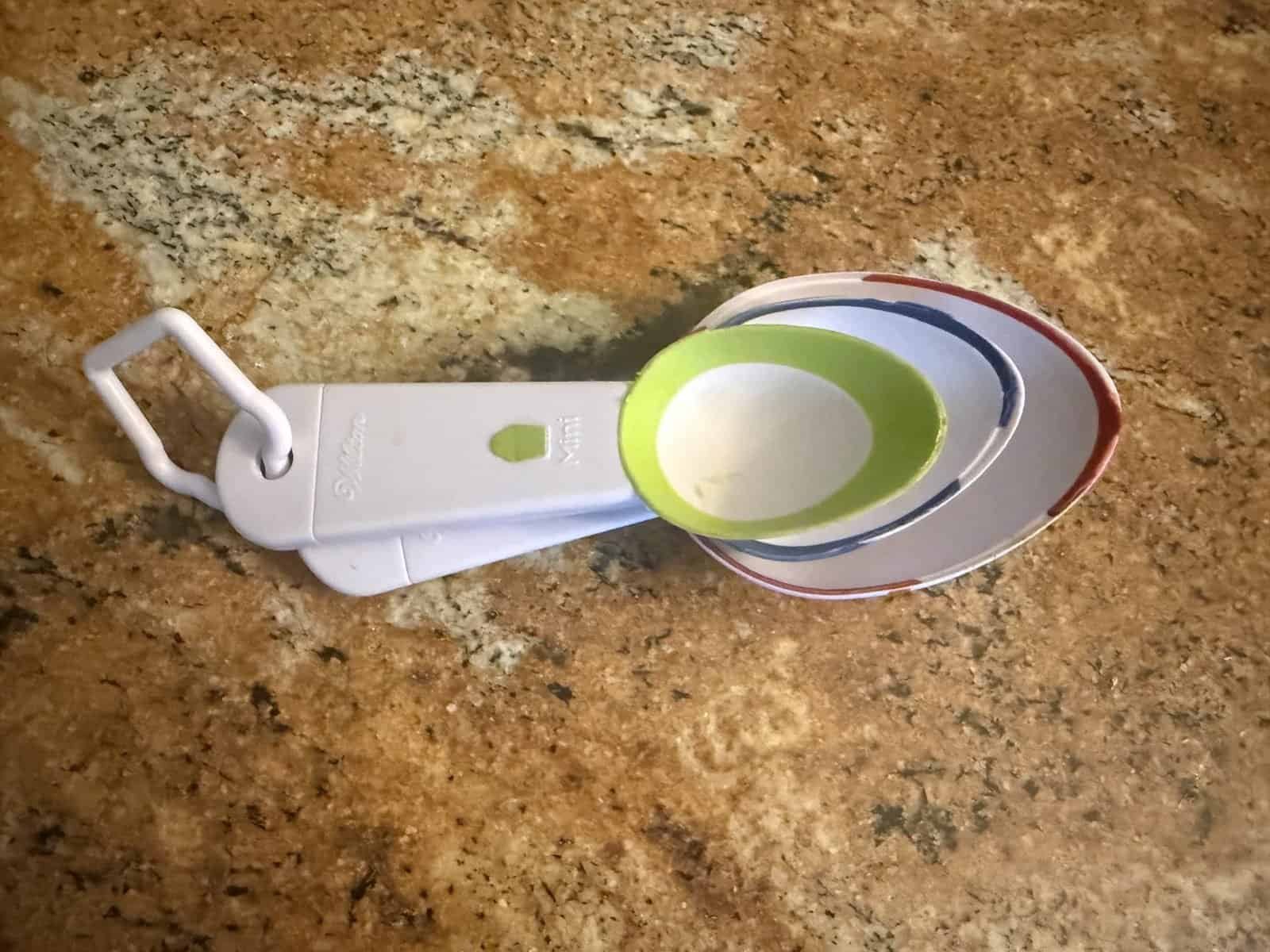
A good set of kitchen scoops makes quick work of moving flour, sugar, coffee, grains, and other dry ingredients from the bag or canister into your mixing bowl without a mess. The best kitchen scoops are sturdy enough to dig into packed flour, come in a range of sizes for big and small jobs, and rinse clean in seconds. I use a set of measured scoops in small, medium, and large sizes for exactly this, scooping flour and sugar into a bowl to mix, and they are sturdy, helpful, and easy to clean. This guide pairs that hands-on experience with product research, and it pairs well with mixing bowl sets. The six picks below cover stainless and plastic scoops in graduated sizes.
Quick Verdict
A graduated stainless steel scoop set is the best all-around choice for scooping flour, sugar, and other dry goods into a bowl. Plastic scoops are lighter and cheaper, a large single scoop suits bulk flour bins, and small scoops handle coffee and canisters. Choose a sturdy build and the size range you actually use, and keep in mind these are for scooping, not precise measuring.
Why Trust This Guide
Independent picks, reader-supported through affiliate links at no cost to you. I use a set of small, medium, and large measured scoops to move flour and sugar into my mixing bowl, and they are sturdy, helpful, and easy to clean. First-person notes describe the scoops I actually use, in my own words with no brand claimed, while the rest reflects product research.
Key Takeaways
- Kitchen scoops move dry ingredients like flour, sugar, coffee, and grains from bag or canister into a bowl.
- Graduated sizes handle everything from a spoonful of coffee to cups of flour.
- Look for a sturdy build, comfortable use, and a design that rinses clean easily.
- Scoops are for transferring ingredients, not precise measuring, since scooping flour directly packs it down.
How We Picked the Best Kitchen Scoops
We judged each scoop on sturdiness, size range, ease of use, and cleaning. Sturdiness led, because a flimsy scoop bends or flexes when you dig into packed flour or sugar, which quickly becomes annoying. We valued a useful range of sizes for different ingredients and jobs, a comfortable shape that pours cleanly into a bowl, and a smooth design that rinses clean without dry ingredients sticking in seams. The picks span stainless and plastic scoops in several sizes.
1. Stainless Steel Kitchen Scoop Set
Why It Stands Out
A graduated stainless steel scoop set is the best all-around pick. With small, medium, and large scoops in sturdy metal, it digs into packed flour and sugar without bending, pours cleanly into a bowl, and covers nearly every dry-ingredient job. The durable build is the reason a set like this lasts for years.
Worth Knowing
Metal scoops cost a little more than plastic and can feel cold or heavy to some. Rinse and dry them to keep the finish looking good.
Buy it if you want a sturdy set for all your dry ingredients. Skip it if you prefer the lightest, cheapest option.
2. The Measured Scoops I Use
Why It Stands Out
This is the set of measured scoops I actually use, so I will describe it plainly. It comes in small, medium, and large sizes, and I reach for them to scoop flour and sugar into a bowl before mixing. What stands out to me is that they are sturdy and helpful, handling the job without flexing, and they are easy to clean, which keeps them in regular rotation. For simply getting dry ingredients into a bowl quickly and cleanly, a dependable set of sizes like this is exactly what I want.
Worth Knowing
Because mine is unbranded here, look for the same things I value: a sturdy build that will not flex in packed flour, a range of sizes, and a smooth design that rinses clean. Remember these are for scooping and transferring rather than precise recipe measuring.
Buy a sturdy, easy-to-clean set of sizes like this for everyday dry-ingredient scooping. Match the sizes to what you use most.
3. Plastic Utility Scoop Set
Why It Stands Out
A plastic utility scoop set is the best budget and lightweight pick. Made of durable food-safe plastic, these scoops are light in the hand, inexpensive, and usually dishwasher safe, making them an easy grab for flour, sugar, pet food, or laundry powder. They are the practical, no-worry option.
Worth Knowing
Plastic is not as rigid as stainless, so very packed ingredients take a bit more care. Choose a thicker, sturdier plastic to avoid a flimsy feel.
Buy it if you want a cheap, light, dishwasher-safe set. Skip it if you want the sturdiest, most premium feel.
4. Heavy-Duty Stainless Flour Scoop
Why It Stands Out
A large heavy-duty stainless flour scoop is the pick for bulk jobs. Its big capacity and rigid build make short work of scooping from a flour bin, sugar canister, or large storage container, and the sturdy metal handles packed ingredients without flexing. For anyone who buys flour in bulk, it is a workhorse.
Worth Knowing
A single large scoop is less versatile than a graduated set for small amounts. Its size needs a wide-mouth bin or canister to dip into easily.
Buy it if you scoop from big flour or sugar bins. Skip it if you need a range of smaller sizes.
5. Graduated Measuring Scoop Set
Why It Stands Out
A graduated scoop set with capacity markings is the pick for rough portioning. With sizes labeled by volume, it helps you scoop a consistent amount of coffee, protein powder, or grains, bridging the gap between a plain scoop and a measuring cup. It is handy when you want a repeatable scoop without measuring exactly.
Worth Knowing
Marked scoops are for approximate portions, so for precise baking you still want proper measuring tools. Check that the sizes match the amounts you use most.
Buy it if you want repeatable portions of coffee or powders. Skip it if you only need plain scooping or exact measuring.
6. Small Canister and Coffee Scoop Set
Why It Stands Out
A set of small scoops is the pick for canisters and coffee. Compact enough to live inside a coffee tin, sugar jar, or spice canister, these little scoops handle the small, frequent jobs that a big scoop is clumsy for. They keep your canisters tidy and your hands out of the ingredients.
Worth Knowing
Small scoops are limited to small amounts, so they complement rather than replace a larger scoop. Keep one in each canister so you are not cross-contaminating ingredients.
Buy it if you want dedicated scoops for canisters and coffee. Skip it if you only need larger scoops for bulk dry goods.
Kitchen Scoops at a Glance
| If you want this | Reach for | Why |
|---|---|---|
| A sturdy all-around set | Stainless Steel Set | Graduated sizes, will not bend |
| Sturdy, easy-clean daily scoops | A measured set like mine | Small to large, easy to rinse |
| Light and budget-friendly | Plastic Utility Set | Cheap, light, dishwasher safe |
| Scooping from bulk bins | Heavy-Duty Flour Scoop | Big capacity, rigid build |
| Repeatable coffee or powder portions | Graduated Scoop Set | Volume markings for consistency |
| Canisters and coffee | Small Scoop Set | Compact, lives in the jar |
How to Choose a Kitchen Scoop
Pick Your Material
Decide between stainless steel and plastic. Stainless is sturdier and digs into packed flour or sugar without flexing, making it the more durable choice, while plastic is lighter, cheaper, and often dishwasher safe. For heavy, frequent use, metal wins; for a light, inexpensive grab, plastic is fine.
Match the Sizes to Your Ingredients
Choose a size range that fits your kitchen. Large scoops suit flour and sugar in bulk, medium scoops handle everyday amounts, and small scoops are ideal for coffee, spices, and canisters. A graduated set covers the most jobs, which is why small, medium, and large together are so useful.
Prioritize Sturdiness and Cleaning
Look for a solid build that will not bend and a smooth, seamless design that rinses clean, since dry ingredients can pack into crevices. A sturdy, easy-to-clean scoop is one you will actually keep using, and pairing it with good pantry storage containers keeps everything tidy.
Remember Scooping Is Not Measuring
Use scoops to transfer ingredients, not to measure precisely, because scooping a measuring cup directly through flour packs it down and gives you too much. For accurate baking, follow the spoon-and-level method in our guide to how to measure flour, and use your scoops to move flour into the cup first.
Common Kitchen Scoop Mistakes to Avoid
Using a Scoop to Measure Flour Directly
Dragging a measuring cup or scoop straight through the flour bag compacts it, so you end up with far more flour than a recipe wants, which leads to dry, dense results. Scoop the flour into the cup and level it off, or spoon it in, for an accurate amount.
Buying a Flimsy Scoop
A thin, bendable scoop flexes and warps when it meets packed sugar or flour. Choose a sturdy build, since the whole point of a scoop is to power through dense dry ingredients without giving way.
Sharing One Scoop Across Ingredients
Using the same scoop for flour, then sugar, then coffee spreads residue and moisture between them. Keep a dedicated scoop in each canister, which keeps ingredients clean and dry and saves you from washing between uses.
Leaving Scoops Damp
Putting a wet scoop back into flour or sugar creates clumps and can spoil the ingredient. Dry your scoops fully before storing them in a canister, and your dry goods stay loose and fresh.
Recommended Reading
- measuring cups and spoons
- how to measure flour
- mixing bowl sets
- storing flour long term
- why brown sugar hardens
- food storage containers
- mason jars
- a home baking station
- adjustable measuring cups
- cookie scoops
Frequently Asked Questions
What are kitchen scoops used for?
Kitchen scoops move dry ingredients like flour, sugar, coffee, grains, and protein powder from a bag or canister into a bowl or measuring cup. They make transferring ingredients faster and cleaner than pouring, and a range of sizes handles both bulk and small jobs.
Are kitchen scoops the same as measuring cups?
No. Measuring cups are for precise recipe amounts, while scoops are for transferring and rough portioning. Scooping a measuring cup directly through flour packs it down and gives too much, so scoops are best used to move ingredients rather than to measure them exactly.
What material is best for kitchen scoops?
Stainless steel is the sturdiest and best for digging into packed flour or sugar without bending, while plastic is lighter, cheaper, and often dishwasher safe. Choose stainless for heavy, frequent use and plastic for a light, budget-friendly option.
What sizes of kitchen scoops do I need?
A small, medium, and large set covers most needs, with large for flour and sugar, medium for everyday amounts, and small for coffee, spices, and canisters. A graduated set is the most versatile choice for a range of dry ingredients.
Can I use one scoop for all my ingredients?
You can, but it is better to keep a dedicated scoop in each canister. Sharing one scoop spreads residue and moisture between flour, sugar, and coffee, so separate scoops keep each ingredient clean and dry and save washing between uses.
How do I clean kitchen scoops?
Rinse them in warm soapy water and dry fully before storing, paying attention to any seams where dry ingredients can pack in. Many plastic scoops are dishwasher safe, but a quick hand wash and thorough drying prevents clumping in your canisters.
Can I use kitchen scoops for non-food items?
Yes, sturdy scoops are handy for laundry powder, pet food, birdseed, and similar dry goods. Just keep food and non-food scoops separate so you are not moving detergent or pet food residue into your baking ingredients.
Why should I keep scoops dry?
A damp scoop introduces moisture into flour or sugar, which causes clumping and can shorten how long the ingredient stays fresh. Drying your scoops fully before returning them to a canister keeps your dry goods loose and in good condition.
