
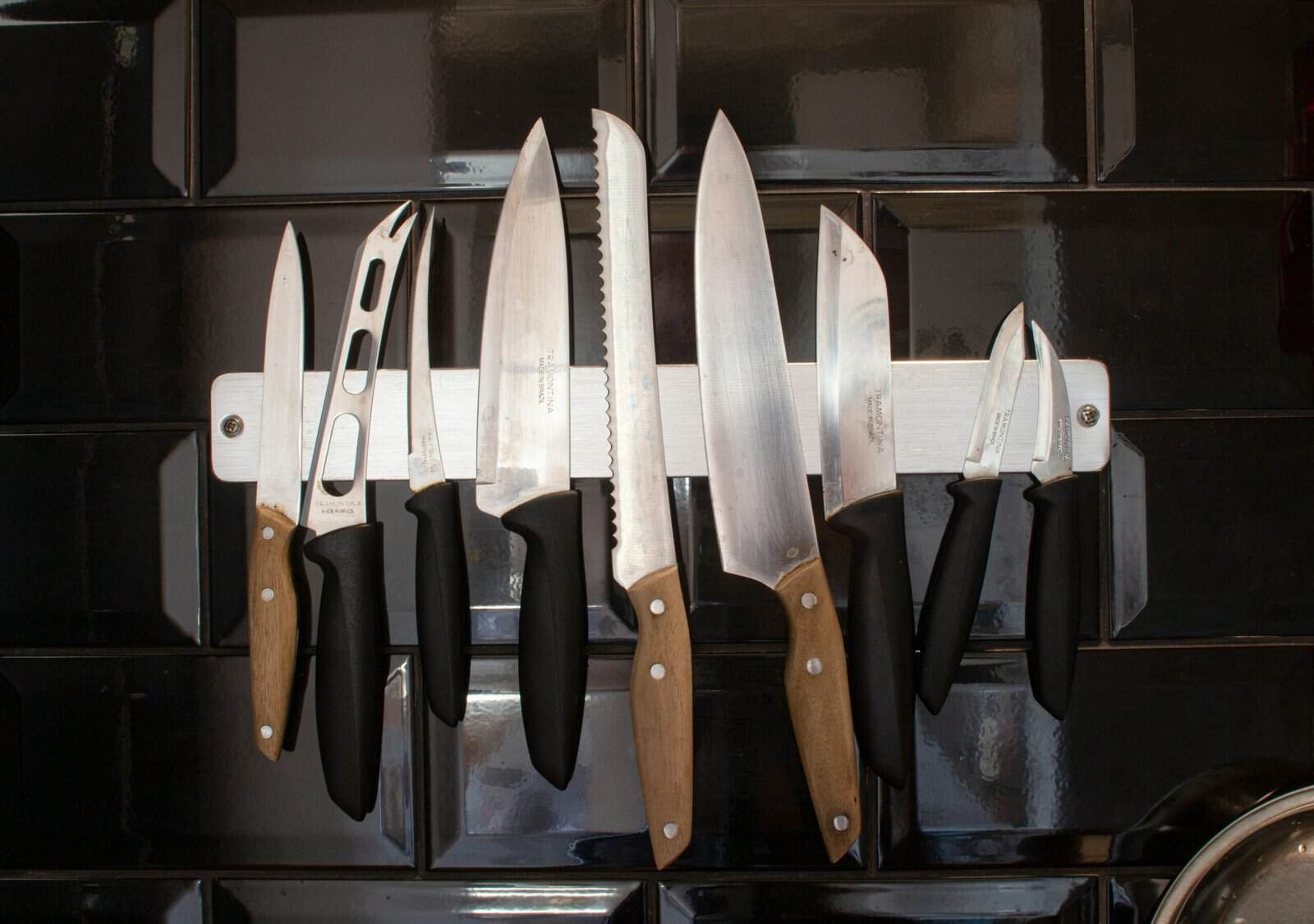
A kitchen utility knife fills the gap most knife sets leave open: the jobs too big for a paring knife but too small or fiddly for a full chef’s knife, like slicing a sandwich, trimming a chicken breast, or cutting a few tomatoes. The best utility knives give you a nimble mid-size blade that becomes the one you reach for on autopilot for quick tasks. If you are building a set, our guide to choosing kitchen tools and cookware puts it in context, and our chef’s knife roundup covers its bigger partner.
Quick Verdict
For most cooks, the Mercer Culinary Genesis utility knife is the value standout: durable German steel that holds a working edge at a friendly price. Cooks who want a sharper Japanese blade should look at the Tojiro DP, budget shoppers at the Victorinox Swiss Classic, and anyone wanting a premium finish at the Wusthof Classic. Match the steel and handle to how often you sharpen.
Key Takeaways
- A utility knife handles in-between tasks a paring knife is too small for.
- Blades run mid-size, longer than a paring knife but shorter than a chef’s knife.
- A straight edge suits precise slicing; a serrated edge grips tomatoes and sandwiches.
- German steel is tough and easy to maintain; Japanese steel is sharper but needs care.
- A utility knife complements rather than replaces a chef’s and paring knife.
How We Picked the Best Utility Knives
We focused on edge quality and retention, a comfortable handle for frequent quick use, and a spread of steels and edge types so cooks who slice precisely and those who cut a lot of tomatoes are both covered. We included straight and serrated options across German and Japanese steel.
We favored widely available lines so you can compare sizes and prices. A utility knife is a supporting player, so we weighed how well each does the everyday in-between jobs it is built for.
Mercer Culinary Genesis Utility Knife
Why It Stands Out
The Mercer Genesis pairs forged German steel with a grippy handle at a price that undercuts premium lines. The tougher steel resists chipping and resharpens easily, which suits a knife you grab constantly for quick tasks. The straight edge slices cleanly through everyday prep.
Worth Knowing
German steel holds a slightly less keen edge than hard Japanese steel, a fair trade for durability. It is heavier than a thin Japanese blade. For sharpening tools, see our knife sharpener guide.
Best for cooks who want a durable, affordable everyday knife. Skip it if you want the thinnest, sharpest blade.
Victorinox Swiss Classic Utility Knife
Why It Stands Out
The Victorinox Swiss Classic is the budget favorite, a lightweight stainless knife with a comfortable grip that punches well above its price. Its nimble blade makes quick work of sandwiches, tomatoes, and small cuts, and the low cost makes it easy to own several. It is a dependable everyday workhorse.
Worth Knowing
The lighter blade feels less substantial than forged knives, which some cooks prefer and others do not. It holds a good edge for the price. It is the easy pick when you want reliable performance cheaply.
Best for budget shoppers who want a light, nimble knife. Skip it if you want a heavier forged feel.
Tojiro DP Utility Knife
Why It Stands Out
The Tojiro DP brings hard Japanese steel to the utility size, taking a keen edge for clean, precise cuts. It is lighter and sharper than German options, which cooks who value crisp slicing appreciate for tomatoes and delicate trimming. The value-to-performance ratio is a big draw.
Worth Knowing
Harder steel is sharper but more prone to chipping if misused, so keep it off bone and frozen food. It benefits from careful hand washing. It rewards cooks who maintain their knives.
Best for cooks who want Japanese sharpness at a fair price. Skip it if you want a tougher, lower-maintenance blade.
Wusthof Classic Utility Knife
Why It Stands Out
The Wusthof Classic brings forged German steel and a full tang to the utility size, giving a sturdy, balanced blade that resharpens easily. It suits cooks who already trust German knives and want a matching everyday blade. The heft powers through firmer produce.
Worth Knowing
The German steel is tougher but not as razor-keen as hard Japanese steel. The heavier build is a preference rather than a flaw. It is a durable pick for cooks who value longevity.
Best for fans of sturdy German knives. Skip it if you prefer a light, ultra-sharp Japanese blade.
Dalstrong Gladiator Series Utility Knife
Why It Stands Out
The Dalstrong Gladiator offers a high-carbon German steel blade with a comfortable handle and bold styling at a mid-range price. It balances a keen edge with everyday toughness, making it a versatile pick for cooks who want performance and looks. The blade handles both precise and firmer cuts.
Worth Knowing
The styling is a matter of taste. It sits between budget and premium in both price and refinement. It is a solid all-round choice for daily use.
Best for cooks who want a stylish, capable mid-range knife. Skip it if you prefer understated, classic looks.
Victorinox Serrated Utility Knife
Why It Stands Out
The Victorinox serrated utility knife trades a straight edge for a toothed one that grips and slices through tomato skins, sandwiches, and soft bread rolls without crushing them. For anyone whose main gripe is squashing tomatoes, the serrations solve it. It is light, affordable, and easy to handle.
Worth Knowing
Serrated edges are harder to resharpen at home than straight ones, though they stay usable a long time. They are less suited to fine, precise slicing. It is the pick for grippy cuts on soft-skinned foods.
Best for cooks who mainly cut tomatoes, sandwiches, and rolls. Skip it if you want a straight edge for precise slicing.
Utility Knives at a Glance
| Knife | Steel | Edge | Best for | Maintenance |
|---|---|---|---|---|
| Mercer Genesis | German | Straight | Durable value | Easy |
| Victorinox Swiss Classic | Stainless | Straight | Budget everyday | Easy |
| Tojiro DP | Japanese | Straight | Precise slicing | Moderate |
| Wusthof Classic | German | Straight | German fans | Easy |
| Dalstrong Gladiator | High-carbon German | Straight | Style and value | Easy |
| Victorinox Serrated | Stainless | Serrated | Tomatoes and rolls | Low upkeep |
How to Choose a Utility Knife
Straight or Serrated Edge
A straight edge slices precisely and resharpens easily, while a serrated edge grips tomato skins and soft bread without crushing them. If squashed tomatoes are your frustration, go serrated; for general slicing, go straight. Some cooks keep one of each.
Steel Type
German steel is tough, forgiving, and easy to resharpen, while hard Japanese steel takes a keener edge but needs gentler use. Choose based on how you treat knives and how often you sharpen. Both handle everyday tasks well.
Handle Comfort
Since a utility knife gets grabbed constantly for quick jobs, a comfortable, secure grip matters as much as the blade. Western handles feel familiar; lighter handles feel nimble. Pick what feels balanced in your hand.
Where It Fits Your Set
A utility knife bridges your paring and chef’s knives, so it should complement, not duplicate, them. Our guides to paring knives and starter knife sets help you round out the block.
Utility Knife vs Paring and Chef’s Knife
How It Differs
A utility knife is longer than a paring knife but shorter than a chef’s knife, handling the mid-size jobs both do awkwardly. It is nimble for quick cuts without the bulk of a chef’s blade. Think of it as the everyday grab-and-go knife.
When to Reach for Each
Use a paring knife for peeling and detail work, a chef’s knife for big chopping and rocking cuts, and a utility knife for the quick in-between tasks. Together they cover almost all home prep.
Common Utility Knife Mistakes
Using It for Big Chopping
A utility knife is too small for breaking down large produce or heavy chopping. Reach for a chef’s knife for those jobs and keep the utility knife for quick cuts.
Cutting Bone or Frozen Food
Thin utility blades, especially hard Japanese ones, can chip on bone or frozen food. Use a heavier knife for tough tasks.
Neglecting the Edge
Because a utility knife gets used constantly, its edge dulls quickly without upkeep. Hone it regularly and sharpen when needed to keep cuts clean.
Caring for a Utility Knife
Hand Wash and Store Safely
Wash and dry the blade by hand rather than using the dishwasher, which dulls and corrodes edges, and store it in a block, on a magnetic strip, or with a guard so the edge is not knocked. These habits keep any knife sharp and safe. They matter most for a knife you use constantly.
Hone Often, Sharpen When Needed
Honing realigns the edge between sharpenings and keeps cuts clean, while periodic sharpening restores a dull blade. A utility knife dulls quickly from heavy use, so regular upkeep pays off. Our guides to boning knives and kitchen shears round out the block.
Recommended Reading
Recommended Reading
- How to choose kitchen tools and cookware
- Chef’s knives, the kitchen workhorse
- Santoku knives for all-around prep
- Cutting boards that protect your edge
- choosing a kitchen knife
Frequently Asked Questions
What is a utility knife used for in the kitchen?
A kitchen utility knife handles mid-size tasks that fall between a paring knife and a chef’s knife, like slicing sandwiches, trimming meat, and cutting a few tomatoes. Its nimble blade makes it the go-to for quick everyday cuts. It complements rather than replaces your main knives.
Is a utility knife the same as a paring knife?
No. A utility knife has a longer blade than a paring knife, making it better for slicing and mid-size jobs, while a paring knife is short for peeling and detail work. Most kitchens benefit from having both. They cover different everyday tasks.
Should a utility knife be serrated or straight?
A straight edge slices precisely and resharpens easily, while a serrated edge grips tomato skins and soft bread without crushing. Choose serrated if your main gripe is squashed tomatoes, and straight for general slicing. Some cooks keep one of each.
Do I really need a utility knife?
You can manage with a paring and chef’s knife, but a utility knife makes the frequent in-between jobs faster and more comfortable, which is why many cooks reach for it most. It is an affordable, high-use addition. Whether you need it depends on how much quick prep you do.
What size is a utility knife?
Utility knives are mid-size, longer than a paring knife but shorter than a chef’s knife, which is what makes them nimble for everyday tasks. The exact length varies by brand. Choose one that feels balanced and suits your hand.
Is German or Japanese steel better for a utility knife?
German steel is tougher, easier to resharpen, and more forgiving, while hard Japanese steel takes a keener edge but needs gentler use. Choose German for a durable, low-maintenance knife and Japanese for maximum sharpness. Both handle everyday tasks well.
How often should I sharpen a utility knife?
Because a utility knife gets used constantly, hone it every few uses and sharpen it when honing no longer restores a clean cut, which for most home cooks means a few times a year. Hard Japanese steel holds its edge longer than German steel. Testing on a tomato tells you quickly if it needs sharpening.
What should you not cut with a utility knife?
Avoid using a utility knife on bone, frozen food, or hard squash, since its thin blade can chip or bend, and skip heavy chopping of large produce, which is a chef’s knife job. Hard cheeses and crusty bread are also better handled by dedicated tools. Keeping it to quick, mid-size cuts protects the edge and keeps it doing what it does best.
