
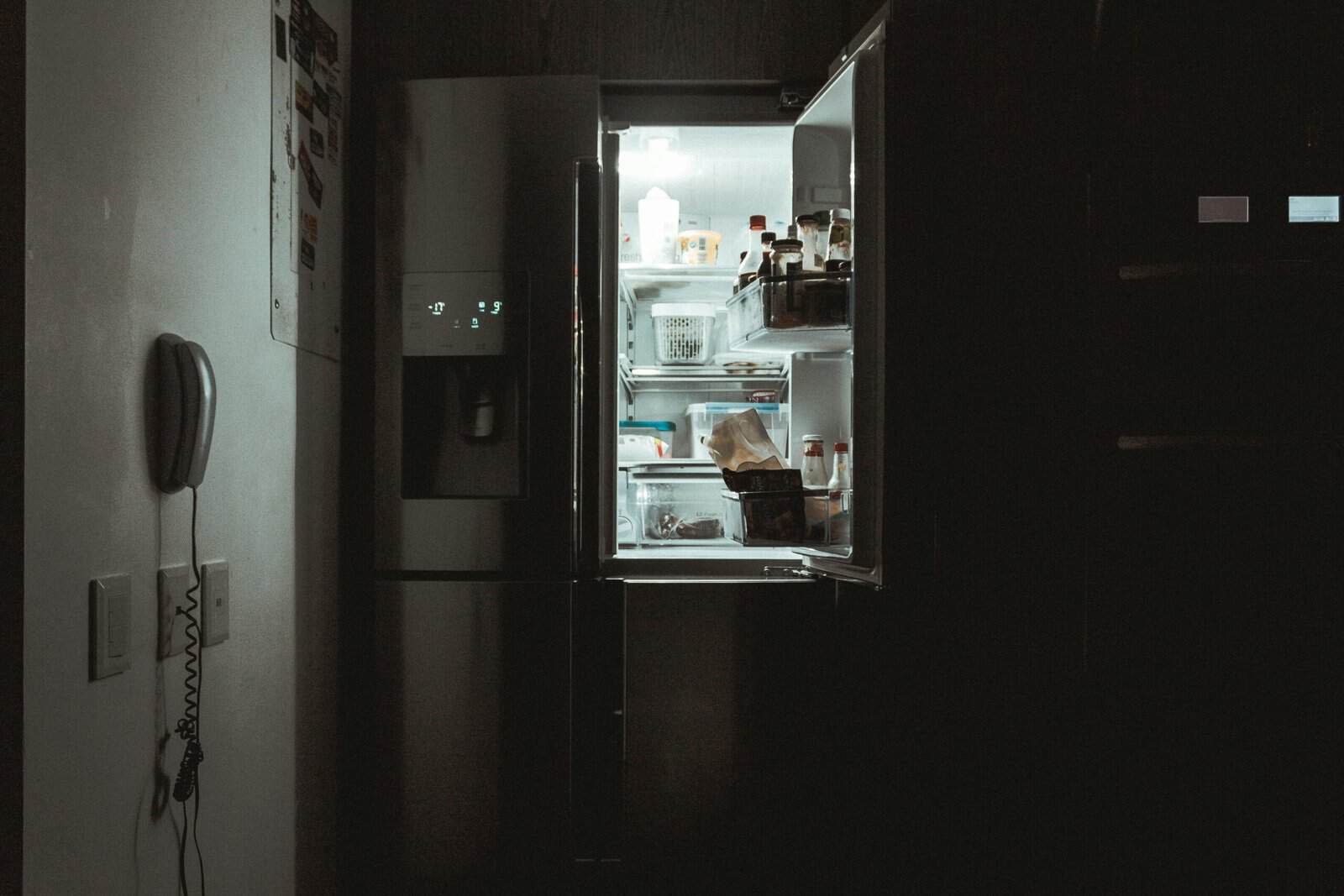
A container of leftover chili sits on the middle shelf, and nobody remembers which night it came from. The ground turkey has been frozen for months. Most charts online make it worse by treating every number as a safety deadline.
The chart below separates the two things that actually matter. It returns fridge, freezer, and pantry windows for common foods, and it flags whether each number is a safety limit or a quality estimate.
Quick Answer
Fridge times are safety limits that assume 40F or below, while freezer times only estimate quality. Food kept steadily at 0F stays safe indefinitely according to the USDA, so a package past its freezer window is usually disappointing rather than dangerous. When food smells wrong or sat out at an unknown temperature, discard it.
Key Points
- Fridge windows limit bacterial growth. Passing them creates real risk.
- Freezer windows limit flavor and texture loss. Passing them creates disappointment.
- Perishable food should not sit out over two hours, or one hour above 90F.
- Opened packages spoil faster, so the clock restarts at the seal.
- No chart overrides judgment. When in doubt, throw it out.
Fridge and freezer storage answers two different questions
Fridge and freezer storage times measure two unrelated things. A refrigerator slows bacterial growth without stopping it, so fridge numbers are safety ceilings.
A freezer works differently. The USDA states that food held steadily at 0F stays safe indefinitely, because bacterial activity halts at that temperature.
Freezer charts therefore measure quality. Ice crystals grow and fats oxidize, so a roast past its window tastes dull rather than dangerous.
Appliance temperature decides whether any chart applies
Every storage number assumes a fridge at 40F or below and a freezer at 0F. The FDA identifies 40F to 140F as the range where bacteria multiply fastest.
The dial inside the door is a setting, not a reading. An inexpensive appliance thermometer is the only way to know.
A blocked vent shifts things quietly, so a good fridge layout keeps cold air moving.
The door is the warm spot
Door shelves warm every time someone opens them. Milk and raw meat belong elsewhere.
Back shelves run coldest
Cold air enters near the back wall. Items pressed against it sometimes freeze slightly.
Freezer doors swing too
Freezer door bins swing the same way. Long term storage belongs deeper inside.
The two hour rule governs everything before storage
Perishable food should never sit at room temperature over two hours, and above 90F that drops to one hour. This USDA rule covers a warm car as much as a party platter.
The clock does not reset once food reaches the fridge, since cold only slows the bacteria that already multiplied.
Cool hot batches fast in shallow stackable storage containers. Dairy raises the same question, which is why butter left on the counter has its own limits.
Opened packages run on a much shorter clock
Opening a package introduces air, moisture, and bacteria from hands and utensils. A sealed jar may hold for months, while the opened jar holds a week or two.
Deli meat shows this sharply. Unopened it keeps about two weeks, and USDA guidance drops that to a few days once opened.
Write the opening date on the package, since a marker costs nothing.
Ground meat spoils faster than whole cuts
Grinding multiplies the surface area exposed to air. A steak carries bacteria mainly outside, and grinding folds that surface through the batch.
More surface also means more oxygen contact. Ground meat turns quickly even under proper refrigeration.
Whole cuts hold longer
Roasts, steaks, and chops keep several days. Their intact surface is the reason.
Poultry sits at the short end
Raw chicken and turkey have brief windows even whole. Cook or freeze them promptly.
Cooking starts a new clock
Cooking does not extend the original window. Leftovers get their own short fridge period.
Fatty fish freezes for a shorter window than lean fish
Fatty fish such as salmon hold freezer quality far less time than lean fish such as cod. Fat oxidizes and turns rancid even at 0F, where bacteria have already stopped.
Rancidity is chemical, not microbial, so cold slows it without halting it. Wrap oily fillets tightly, and a vacuum sealer keeps air off the surface.
Freezer burn is a quality problem, never a safety one
Freezer burn is surface dehydration, and it never makes food unsafe. Moisture escapes exposed areas and leaves dry grayish patches with a leathery texture.
Those patches taste flat, so many cooks trim them and use the rest. Air causes the problem, so press wrap against the food.
Thaw in the refrigerator, never on the counter. A safe defrosting routine protects quality and safety.
Some foods do not belong in the refrigerator
Potatoes, onions, and whole tomatoes degrade faster in the fridge than on the counter. Cold turns potato starch to sugar and leaves tomatoes mealy.
Onions soften in humid air and spoil nearby potatoes faster. Bread also stales when chilled, so the right approach to bread saves loaves.
Cool and dark beats cold
Potatoes, onions, and garlic want a dark cupboard with airflow. Light and moisture are the enemies.
Counter ripening finishes the job
Tomatoes, avocados, and peaches ripen on the counter. Chill them only once ripe.
Herbs are the exception
Most fresh herbs prefer cold and moisture. Handling fresh herbs properly stretches them past a few days.
Date labels mostly describe quality, not safety
Best by, sell by, and use by phrases are manufacturer estimates of peak quality. The USDA notes that federal rules do not require them on most foods.
Infant formula is the known exception, since its nutrient content declines and its date is regulated. For everything else, storage conditions matter more than the printed number.
Pantry storage depends on air, light, and moisture
Pantry foods last longest kept cool, dark, dry, and sealed. Heat and light stale grains and turn oils rancid.
Move opened bags into airtight containers, because a clip does not seal. Whole grain flours carry more oil and go rancid sooner, so freezing flour helps.
When in doubt, throw it out
This rule overrides every chart, including this one. Food that smells sour, looks slimy, or sat at an unknown temperature goes in the bin.
Do not taste food to check it. Many harmful bacteria produce no odor or flavor, so tasting is not a test.
Tossing leftovers costs little. A foodborne illness costs far more.
Recommended Reading
For specifics, see how long common foods keep in the refrigerator. The guide to keeping cheese in good condition covers wrapping and placement. There is also the answer on where eggs actually belong.
Food Storage FAQ
Do fridge and freezer storage times mean the same thing?
No, and that distinction is the most useful thing here. Fridge times are safety limits assuming 40F or below, while freezer times estimate quality alone. Food held at a steady 0F stays safe indefinitely under USDA guidance, so a package past its freezer window disappoints rather than endangers.
Is food past its freezer date unsafe to eat?
Not if it stayed frozen at 0F throughout, since the freezer window describes flavor and texture instead of safety. Expect a drier bite or a duller taste rather than a hazard. A freezer that lost power, or food that thawed and warmed, is different.
How cold should a refrigerator and freezer be?
The refrigerator should hold at 40F or below and the freezer at 0F, and those numbers underpin every storage chart. The control dial does not report actual temperature. An inexpensive appliance thermometer in each compartment is the only reliable way to confirm the real conditions inside.
Why does ground beef spoil faster than steak?
Grinding sharply increases the surface area exposed to air and bacteria. On a steak, bacteria sit mainly on the outer surface, and grinding spreads that surface through the whole batch. That head start gives ground meats shorter fridge windows than roasts, chops, and steaks.
Is freezer burn dangerous?
Freezer burn is never a safety problem, only a quality one. It is surface dehydration caused by air reaching the food, and it leaves dry grayish patches with a leathery feel. Most cooks trim those areas and use the rest, and tighter wrapping prevents it next time.
Which foods should stay out of the refrigerator?
Potatoes, onions, garlic, whole tomatoes, winter squash, honey, and bread all do better outside the fridge. Cold turns potato starch to sugar, makes tomatoes mealy, and softens onions in humid air. Bread stales faster when chilled, so the freezer beats the fridge for spare loaves.
Do best by dates mean food becomes unsafe?
Usually not, because most printed dates describe peak quality rather than safety. The USDA notes that federal rules do not require them on most foods, so storage conditions matter more than the label. Infant formula is the known exception, since its nutrient content declines and its date is regulated.
How long can food sit out before it should go?
Perishable food should not stay at room temperature longer than two hours, and above 90F that drops to one hour. The rule covers a warm car, party platters, and cooling leftovers alike. Refrigerating food later does not reverse growth that already happened on the counter.
Sources
- U.S. Department of Agriculture, Food Safety and Inspection Service, guidance on refrigeration and food safety
- U.S. Department of Agriculture, FoodKeeper resource on storage times for refrigerated, frozen, and pantry foods
- U.S. Food and Drug Administration, guidance on safe food handling and refrigerator temperature
