
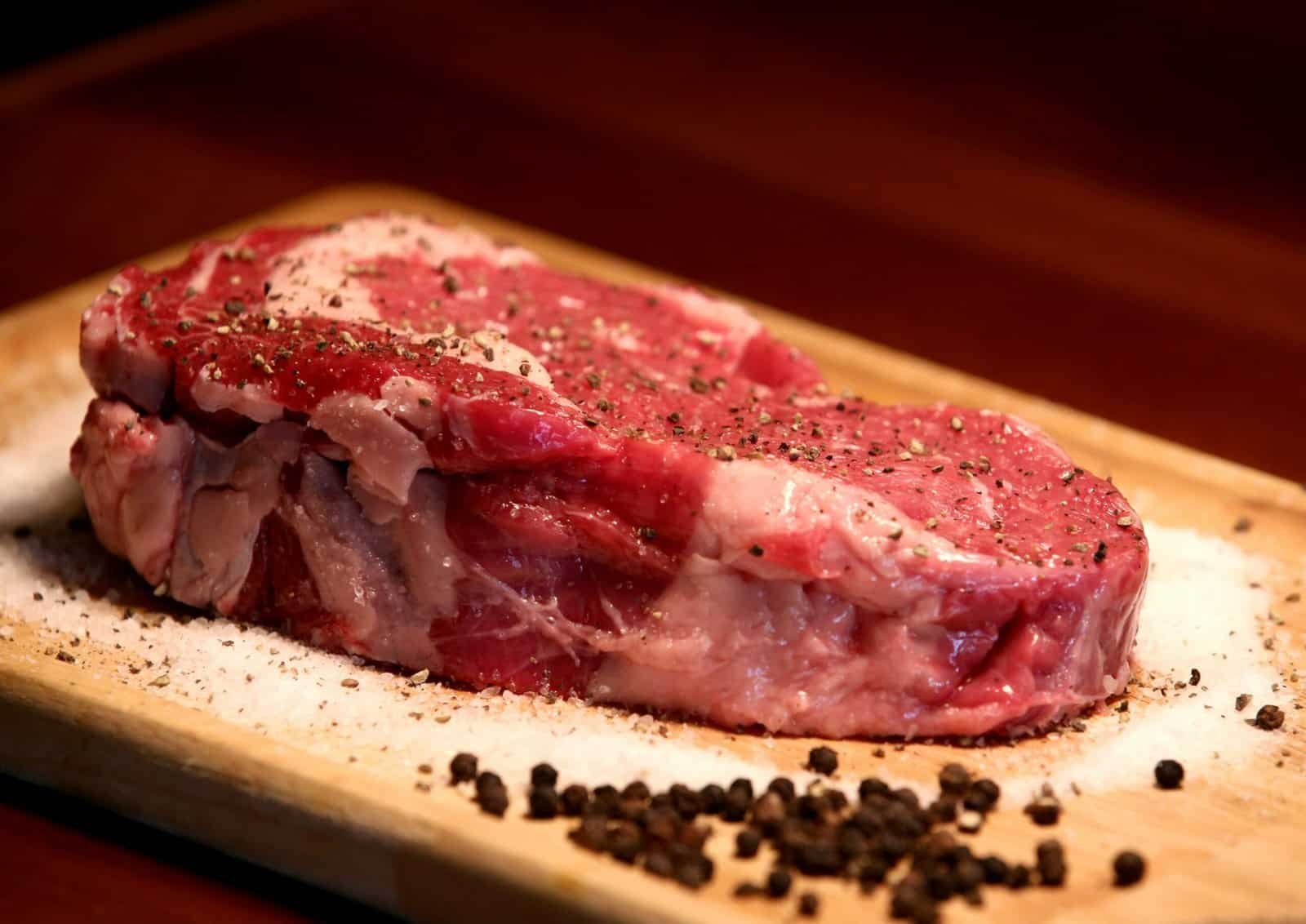
Cut into a steak immediately after taking it off the grill, and juices flood the cutting board. Wait ten minutes and cut into the same steak; much less juice runs out. The meat that was rested stays juicier on the plate. This is the basic case for resting meat after cooking, and most cooks have heard it. What’s less commonly understood is why it actually works and how much it matters. Comparing options? See our best meat thermometers roundup.
The traditional explanation involves juices “redistributing” through the meat, which is partly right and partly oversimplified. The real story involves muscle fiber contraction during cooking, gradual relaxation after, and the temperature dynamics that affect both. Understanding the actual mechanism helps you rest meat correctly: long enough to matter, not so long that the meat cools too much.
Key Takeaways
- Cooking causes muscle fibers to contract and squeeze out moisture; resting allows partial reabsorption before cutting.
- Resting time scales with the size of the cut: thin steaks need 5 minutes, large roasts may need 20-30 minutes
- Carryover cooking continues internal temperature rise during rest, which affects how rare you should pull meat from the heat.
- Resting matters more for large cuts than small ones; some thin cuts barely benefit from rest at all.
What Happens to Muscle Fibers During Cooking
Meat is mostly muscle tissue, which is organized into bundles of long protein fibers. These fibers are surrounded by connective tissue and contain proteins, water, fats, and various other components in a structured arrangement.
When meat heats up during cooking, the proteins in the muscle fibers begin to denature (unfold) and contract. The contraction is significant: muscle fibers can shrink to about 80% of their original length and width during cooking. The fibers physically squeeze together.
Squeezed fibers can’t hold as much water as relaxed fibers. The water that was distributed throughout the meat gets forced out of the fiber structure. Some of it evaporates as steam during cooking; some collects between fibers and within the meat as free liquid; some is squeezed all the way out as drippings in the pan.
The hotter the meat gets, the more the fibers contract and the more water is expelled. This is why well-done meat is drier than medium-rare meat: the same starting muscle has been squeezed harder, expelling more total moisture.
The water that gets squeezed out of fibers but stays in the meat is sitting in spaces between fibers, not held within the fiber structure. When you cut the meat, this loose water flows out easily because it’s not held in place by anything.
What Happens During Rest
Stop applying heat, and the muscle fibers begin to cool. As they cool, they partially relax, losing some of the tight contraction that the heat caused. The relaxed fibers create space to hold water again.
The water that was expelled from fibers but is still loose in the meat gets gradually reabsorbed into the fiber structure as it relaxes. Not all of it; the fibers don’t fully restore to their original state. But enough water moves back into the structure that when you finally cut the meat, less free liquid flows out.
The relaxation process takes time. Immediately after removing from the heat, the muscle is still hot and tight. Over the next few minutes, internal temperature equalizes, fibers cool, and reabsorption proceeds. After 5-20 minutes (depending on cut size), most of the practical benefit has been captured.
This is why rested meat stays juicier on the plate. It’s not that the rested meat has more total water; both pieces have similar total moisture. It’s that in the rested meat, more of the water is locked back into the fiber structure rather than sitting loose, ready to drain out at the first cut.
Carryover Cooking
The other important thing happening during rest: temperature continues to rise inside the meat for a while after removing it from the heat. This is carryover cooking.
The mechanism: during cooking, the outside of the meat heats faster than the inside. When you remove the meat, the outside is hottest, and the inside is coolest. Heat continues to flow from outside to inside (the second law of thermodynamics in action) until the temperatures equalize.
The result: internal temperature can rise 5-10°F after removal from heat, depending on cut size and cooking method.
This matters for getting target doneness. If you want a medium-rare steak (final internal temperature 130-135°F), you pull it at 125-130°F. The carryover takes it the rest of the way during rest. Pull it at 135°F, and the carryover takes it past medium-rare into medium.
For larger cuts, carryover is bigger. A whole roast can rise 10-15°F during rest. The pull temperature has to account for this. Pulling a roast at 130°F for medium-rare means it’ll reach about 140°F (well into medium) by the time it’s served.
Why Cut Size Matters for Rest Time
The amount of rest time needed scales with the size of the cut. The principle: rest time matches the time needed for internal temperature to equalize and fibers to relax through the entire piece of meat.
Thin steaks (under 1 inch thick). 3-5 minutes of rest. Fibers cool and relax quickly. Carryover is minimal (2-3°F). Longer rest just lets the meat cool more without providing much additional benefit.
Standard thick steaks (1-1.5 inches). 5-10 minutes. Enough time for meaningful reabsorption without significant temperature loss.
Large steaks or small roasts (2+ inches thick, 1-2 lbs). 10-15 minutes. The thicker cross-section needs more time for the relaxation to propagate to the center.
Large roasts (3+ lbs). 15-30 minutes. Big cuts hold heat much longer; they continue to carry over cooking longer; the relaxation process takes proportionally more time. A large prime rib or turkey can rest 30 minutes and still be safely warm.
Whole birds. 15-20 minutes for chicken; 30 minutes or more for turkey. Similar logic to roasts.
The rough rule: rest about as long as it takes for the internal temperature to start dropping, which is around 5-10 minutes for steaks and 15-30 minutes for roasts. Beyond that, you’re just letting the meat cool with limited additional benefit.
The “Foil Tent” Question
Common advice: tent the resting meat with foil to keep it warm without trapping steam. Mixed evidence on whether this is necessary.
Arguments for tenting: the foil slows heat loss to ambient air. The meat stays warmer through the rest period. For larger cuts that rest longer, this matters more.
Arguments against tenting: trapped steam can soften a crusty exterior (the crust you worked to develop through searing or roasting). The meat can continue cooking from trapped heat more than desired. For thin cuts that don’t need long rest, foil isn’t needed.
The practical compromise: loose tenting for medium and large cuts (lets some heat escape, keeps the exterior crisp). No foil for thin steaks that don’t rest long enough to cool significantly. Some cooks use a warm oven (off, but with residual warmth) for very large cuts during rest.
The crust degradation from foil is real but often overstated. Most home cooks are better off using a loose foil tent for medium-large cuts and accepting any minor crust softening.
Why Resting Matters More for Some Cuts
The size effect explains why rest matters more for some cuts:
Large roasts (prime rib, pork shoulder, whole turkey). Big benefit. The size means significant water has been squeezed out during cooking, significant relaxation can happen during rest, and the carryover cooking is large. Skipping rest for a large roast produces a dramatically wetter cutting board and drier meat on the plate.
Thick steaks (ribeyes, strips over 1.5 inches). Meaningful benefit. The thicker cross-section produces more juice volume; the rest allows enough relaxation to matter.
Thin steaks (skirt, flank, flat iron, thin ribeyes). Modest benefit. These cuts also cook so fast that they don’t develop as much internal temperature gradient. Some rest helps, but the difference is smaller.
Ground meats. Different mechanism. Burgers and similar foods have already had their fiber structure disrupted; resting doesn’t help in the same way. A few minutes’ rest i,s fine but less important.
Stews, braises, slow-cooked meats. These cuts have been cooked so long and so low that the moisture dynamics are different. The collagen has converted to gelatin, which holds water differently. Often, these are best served right away or after a brief settling period.
The Reverse-Sear Approach
Some modern cooking techniques minimize the need for rest by approaching cooking differently.
Reverse sear: cook the meat slowly at low temperature first (in an oven at 250°F until internal temperature is 10-15°F below target), then sear briefly in a very hot pan to develop the crust at the end. The slow approach means less aggressive fiber contraction; the brief sear at the end produces crust without squeezing out additional moisture deep in the meat.
The result: less juice expelled during cooking, less need for extensive rest. Many cooks find they need only a brief rest (5 minutes) after reverse-searing because the meat has been treated more gently.
Sous vide cooking takes this principle even further: the meat is held at exactly the target internal temperature throughout cooking. The fibers contract only to what that final temperature produces, not to higher temperatures the surface had to reach. Sous vide meat genuinely needs less rest than conventionally cooked meat.
What Rest Doesn’t Do
Several claims about resting are oversimplified or wrong.
“Resting redistributes the juices.” Sort of, but not quite right. The juices were never uniformly distributed; they were squeezed out of fibers. Resting allows partial reabsorption back into the fiber structure, not redistribution from one part of the meat to another.
“Rest produces more total juice.” No. The total water in the meat is largely the same. Rest just affects where that water is held (in fibers vs. loose between fibers).
“Resting makes meat more tender.” Partly, but mostly via the moisture retention rather than fiber changes. Tender cuts that are properly cooked don’t become significantly more tender through rest; tough cuts that need braising don’t get tender through brief rest.
“All cuts need significant rest.” No. Thin cuts benefit less. Small cuts benefit less. Different cuts have different rest needs.
Carryover Cooking Implications
The temperature rise during rest is significant for getting target doneness. Standard guidelines:
Steaks 1-1.5 inches. Pull 5°F below target. Rest 5-10 minutes.
Thick steaks 2+ inches. Pull 5-8°F below target. Rest 10-15 minutes.
Small roasts (3-4 lbs). Pull 8-10°F below target. Rest 15-20 minutes.
Large roasts (8+ lbs). Pull 10-15°F below target. Rest 20-30+ minutes.
Whole birds. Pull 5-10°F below target depending on size. Rest 15-30 minutes.
Use a thermometer. Eyeballing doneness in a way that accounts for carryover is hard; measuring internal temperature with a probe and accounting for known carryover values is reliable.
📑 Recommended Read: Accurate internal temperature measurement is the single most important tool for cooking meat to the right doneness. Visual cues and timing are unreliable; a thermometer is dependable. Check out our tested breakdown of the meat thermometers for fast accurate options that work for steaks, roasts, and poultry.
The Cooking Surface Matters
The pan or surface you cook on affects how much benefit you get from rest, because it affects how much moisture gets expelled in the first place.
Cast iron and carbon steel pans (when properly preheated) transfer heat efficiently to the meat surface, producing fast crust formation. This concentrates the surface cooking and reduces the depth of the overcooked outer layer that would otherwise squeeze out additional moisture. For more on cast iron benefits, see our article on how to season a cast iron skillet.
Stainless steel pans can produce good results, but require attention to temperature and may need additional fat to prevent sticking. The sticking issue can affect crust development and even moisture loss. For more on this, see our article on why stainless steel cookware sticks.
Non-stick pans rarely produce ideal seared meat because they can’t be heated as hot, which means longer cook times and more moisture loss during cooking.
Grills work well for thicker cuts because the radiant heat from below allows aggressive surface cooking while the meat’s mass keeps the interior moderating slowly.
Common Mistakes and How to Avoid Them
Skipping rest entirely. Cutting into a hot steak immediately produces juice on the cutting board. Just 5 minutes of rest captures most of the benefit.
Over-resting thin cuts. A 1/2-inch flank steak doesn’t need 15 minutes of rest. The meat cools more than the rest, which helps. Match rest time to cut size.
Under-resting large roasts. A 6-lb pork shoulder needs more than 5 minutes. Insufficient rest on large cuts produces noticeable moisture loss.
Not accounting for carryover when pulling meat. Pulling steaks at exactly the target temperature produces overcooked meat after rest. Pull 5°F below target for medium cuts.
Tight wrapping with foil. Steams the crust and continues cooking the meat more than desired. Loose tent only.
Forgetting to keep large roasts warm during long rests. A 30-minute rest of a turkey at room temperature in cold weather can drop the temperature significantly. A loose foil tent, plus a warm location (like next to the stove), helps maintain serving temperature.
Cutting into the thickest part first to check doneness during rest. Releases the juices you’re trying to keep contained. Use a thermometer to check without cutting.
Using rest time to make sauces in the same pan without finishing first. If the pan needs to be aggressively heated again for the sauce, do it efficiently. Don’t let the meat cool excessively while making sauces.
Frequently Asked Questions
Will my meat get cold during rest? Not significantly for normal rest times. A 1.5-inch steak rested for 8 minutes is still plenty warm to eat. Large roasts may need a loose foil tent and a warm location to maintain serving temperature through longer rests.
Does resting actually make a noticeable difference? For larger cuts, very noticeable. Pouring from the cutting board after no rest versus after rest tells the story; the difference in juice volume is substantial. For thin cuts, the difference is smaller but still real.
Can I rest meat too long? Yes. Eventually, the meat cools below serving temperature. The maximum useful rest for most cuts is 15-30 minutes; beyond that, you’re letting the meat cool more than the rest benefits.
Should I rest the meat covered or uncovered? Loose foil tent for medium and large cuts. Uncovered for thin steaks. Tight covering can soften the crust and trap too much heat.
Why does my meat seem dry even after resting? Likely overcooked. Rest helps retention of moisture, but can’t restore moisture that was driven out by overcooking. Pull at a lower internal temperature, accounting for carryover.
Does ground meat need rest? Less than whole cuts. The fiber disruption from grinding changes the dynamics. A brief rest (a few minutes) is fine; long rests aren’t necessary.
What about chicken and pork? The same principles apply. Poultry and pork benefit from rest similarly to beef. Larger cuts benefit more.
Should I salt before or after cooking for moisture retention? Salting well in advance (an hour or more) actually improves moisture retention through changes in protein structure. Salting just before cooking produces some surface dehydration. Salting after cooking has the least effect on moisture but the most direct flavor delivery.
More Kitchen Guides
See also the comprehensive kitchen organization methodology.
