
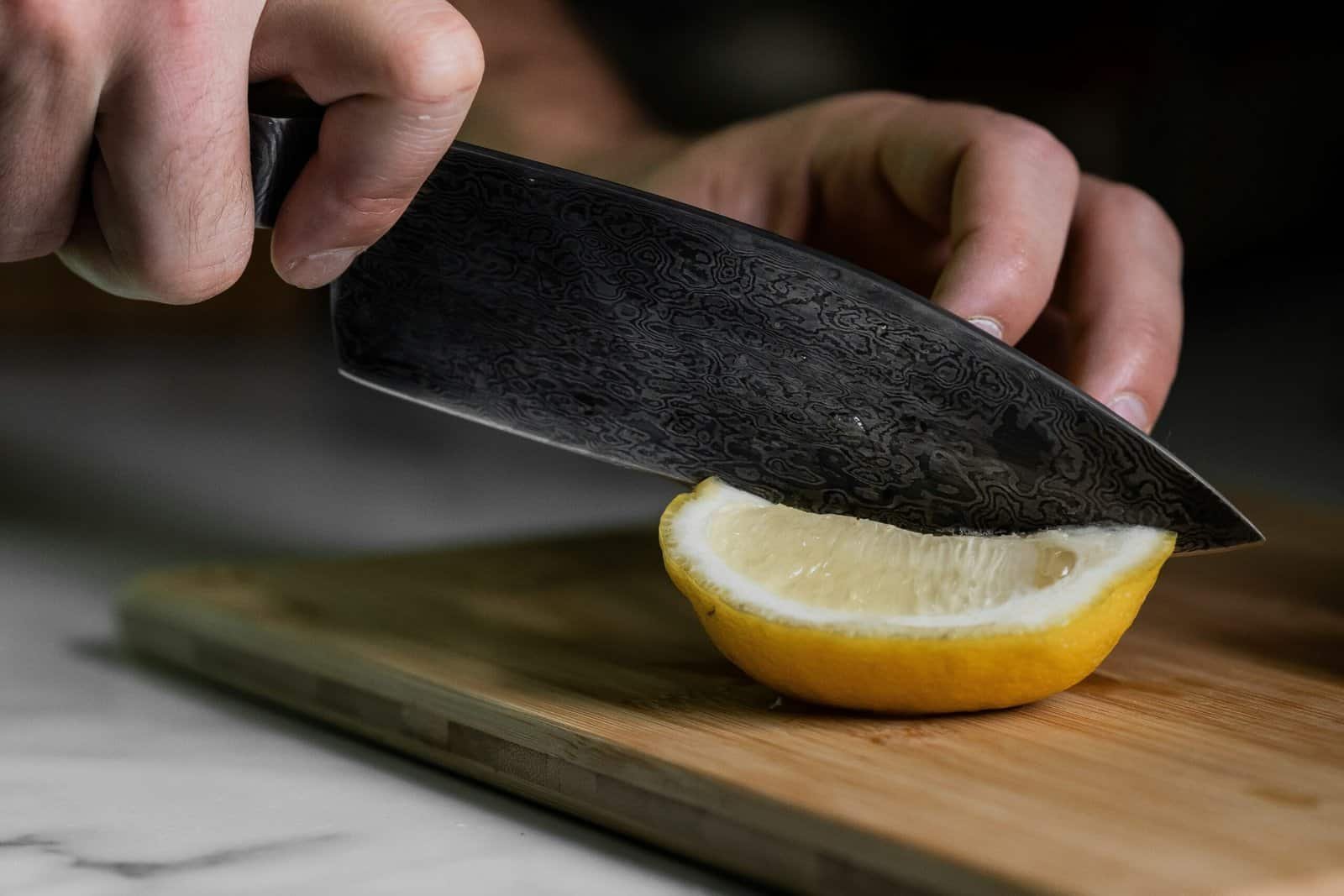
Knives rust mainly from moisture left on the blade, so knives that air-dry, sit wet, or go through the dishwasher are the ones that spot and corrode. Even stainless steel is only stain-resistant, not stain-proof, so the right conditions will rust it. Understanding what actually causes the rust makes it easy to prevent, and most of the fix comes down to keeping blades dry and storing them well. The good news is that rust is almost entirely avoidable once you know the handful of conditions that cause it, and none of the prevention takes real effort. It is a matter of a few small habits done consistently rather than any special product or treatment.
Quick Answer
Rust comes from moisture sitting on the steel, worsened by the dishwasher, acidic foods left on the blade, and damp storage. Dry knives immediately after washing, hand wash rather than machine wash, and store them dry. Those habits stop most rust before it starts.
Key Takeaways
- Moisture on the blade is the main cause of rust.
- The dishwasher is hard on knives and promotes rust.
- Stainless steel resists rust but is not rust-proof.
- Acidic foods left on a blade can cause spotting.
- Drying immediately and storing dry prevents most rust.
What Causes Knives to Rust
| Cause | Why it rusts the blade | Fix |
|---|---|---|
| Air-drying wet | Standing moisture oxidizes steel | Dry by hand right away |
| Dishwasher | Heat, moisture, harsh detergent | Hand wash instead |
| Acidic food residue | Acids attack the surface | Rinse and dry after use |
| Damp storage | Trapped moisture over time | Store fully dry |
Moisture Is the Main Culprit
Rust is iron reacting with oxygen and water, so any moisture left on a blade starts the process. A knife left to air-dry in a rack, tossed wet into a drawer, or set down damp on the counter has exactly what rust needs. The fix is simple: dry the blade thoroughly with a towel right after washing, rather than letting it drip dry. Most rust problems trace back to this one habit, and correcting it prevents the majority of spots and stains. A dry blade cannot rust. Storing knives safely covers keeping them dry after.
The Dishwasher Problem
The dishwasher combines everything that rusts a knife: prolonged moisture, high heat, and harsh detergents that strip protection from the steel. Blades also knock against racks and other items, which damages both the edge and the surface. Even knives labeled dishwasher-safe tend to spot, dull, and corrode faster with machine washing. Hand washing in warm soapy water and drying immediately is far gentler and is the single best habit for keeping knives rust-free. Whether you can put knives in the dishwasher covers this in full.
Stainless Does Not Mean Rust-Proof
Stainless steel resists rust thanks to chromium, but it is stain-resistant, not stain-proof. Given standing moisture, salt, or acids, even a stainless blade will develop spots. Higher-carbon knives, prized for holding an edge, rust more readily still. So a stainless label is not a free pass to skip drying; it just buys you more margin. Knowing the material helps you set the right expectation, but the care is the same: keep the blade dry and clean. Stainless vs carbon steel knives covers how the metals differ.
Acidic Foods and Residue
Cutting acidic foods like tomatoes, citrus, and onions leaves residue that can attack the steel if it sits. The acid accelerates corrosion, showing up as spots where the food touched the blade. The habit that prevents it is quick cleanup: rinse the blade soon after cutting acidic foods rather than leaving it dirty on the board or in the sink. A prompt rinse and dry stops the acid before it can mark the steel, which matters most for knives you use on produce. Steak knives and other frequently used blades benefit most from prompt cleaning.
How to Prevent and Remove Rust
Prevention is mostly the drying and washing habits above, plus dry storage in a block, on a magnetic strip, or in a drawer with the blade kept dry. If rust does appear, light surface spots often come off with a gentle scrub using a mild abrasive like baking soda paste and a soft cloth, working along the blade. Deeper pitting is harder to reverse, which is why prevention beats cure. Keep blades dry, hand wash them, clean acids off promptly, and store them dry, and rust rarely gets a foothold. Knife sharpeners keep the edge in shape once the surface is cared for.
Which Knives Rust Most Easily
Not all blades rust at the same rate, and knowing your knives helps you set the right care. High-carbon steel knives, valued because they take and hold a very sharp edge, are the most rust-prone and demand prompt drying every time. Stainless steel resists rust far better thanks to its chromium content, but as covered above it is not immune. Coated and fully stainless budget knives sit in between. The practical takeaway is that a prized carbon-steel blade needs more vigilance than a stainless one, while every knife benefits from the same core habits of drying, hand washing, and dry storage. If rust keeps appearing on one particular knife, its steel may simply be more reactive, which makes careful drying all the more important for that blade. Knife sets cover options across these materials.
Recommended Reading
Worth reading next: knives in the dishwasher, storing knives safely, stainless vs carbon steel knives, and steak knives, and choosing a kitchen knife.
Building Rust-Free Habits
The reliable way to keep knives rust-free is to make the good habits automatic. Wash each knife by hand right after use rather than leaving it in the sink, dry it fully with a towel before setting it down, and put it away dry in a block, on a magnetic strip, or in a drawer. For knives used on acidic foods, rinse them promptly rather than at the end of cooking. None of this takes long, and done consistently it removes every condition rust needs. The occasional deep clean and, for carbon-steel blades, a very light wipe of food-safe oil add extra protection against moisture and air over time. Build these into how you cook and rust stops being something you deal with after the fact.
Why Do My Knives Rust FAQ
Why do my knives rust?
Mostly from moisture left on the blade. A knife that air-dries, sits wet, or goes through the dishwasher has what rust needs. Acidic food residue and damp storage add to it. Drying immediately after washing and storing blades dry prevents most rust.
Does the dishwasher rust knives?
Yes. It combines prolonged moisture, heat, and harsh detergent, and blades knock against racks. Even dishwasher-safe knives spot, dull, and corrode faster with machine washing. Hand washing and drying right away is far gentler and the best habit for rust-free knives.
Why do my stainless steel knives still rust?
Stainless steel is stain-resistant, not stain-proof. With standing moisture, salt, or acids, even stainless will spot. Higher-carbon blades rust more readily. A stainless label buys margin but does not remove the need to dry and clean the blade.
Can acidic foods rust a knife?
Yes. Tomatoes, citrus, and onions leave residue that attacks steel if it sits, showing as spots where the food touched. Rinsing the blade soon after cutting acidic foods, then drying it, stops the acid before it can mark the steel.
How do I stop my knives from rusting?
Dry the blade thoroughly right after washing, hand wash instead of using the dishwasher, rinse off acidic residue promptly, and store knives dry in a block, on a strip, or in a drawer. Those habits prevent the large majority of rust.
How do I remove rust from a knife?
Light surface spots often come off with a baking soda paste and a soft cloth, scrubbing gently along the blade. Deeper pitting is hard to reverse, so prevention matters more. Once clean, return to good drying and storage habits to keep it from returning, since a cleaned blade with no protection will simply rust again under the same conditions that caused it the first time.
Is a little rust dangerous?
Light surface rust is mostly a cleanliness and appearance issue and usually cleans off. Heavier rust and pitting damage the blade and are worth avoiding. Keeping knives dry and clean prevents rust from progressing to the point where it affects the steel.
See the complete guide: the full guide to choosing the right cookware for your kitchen.
