
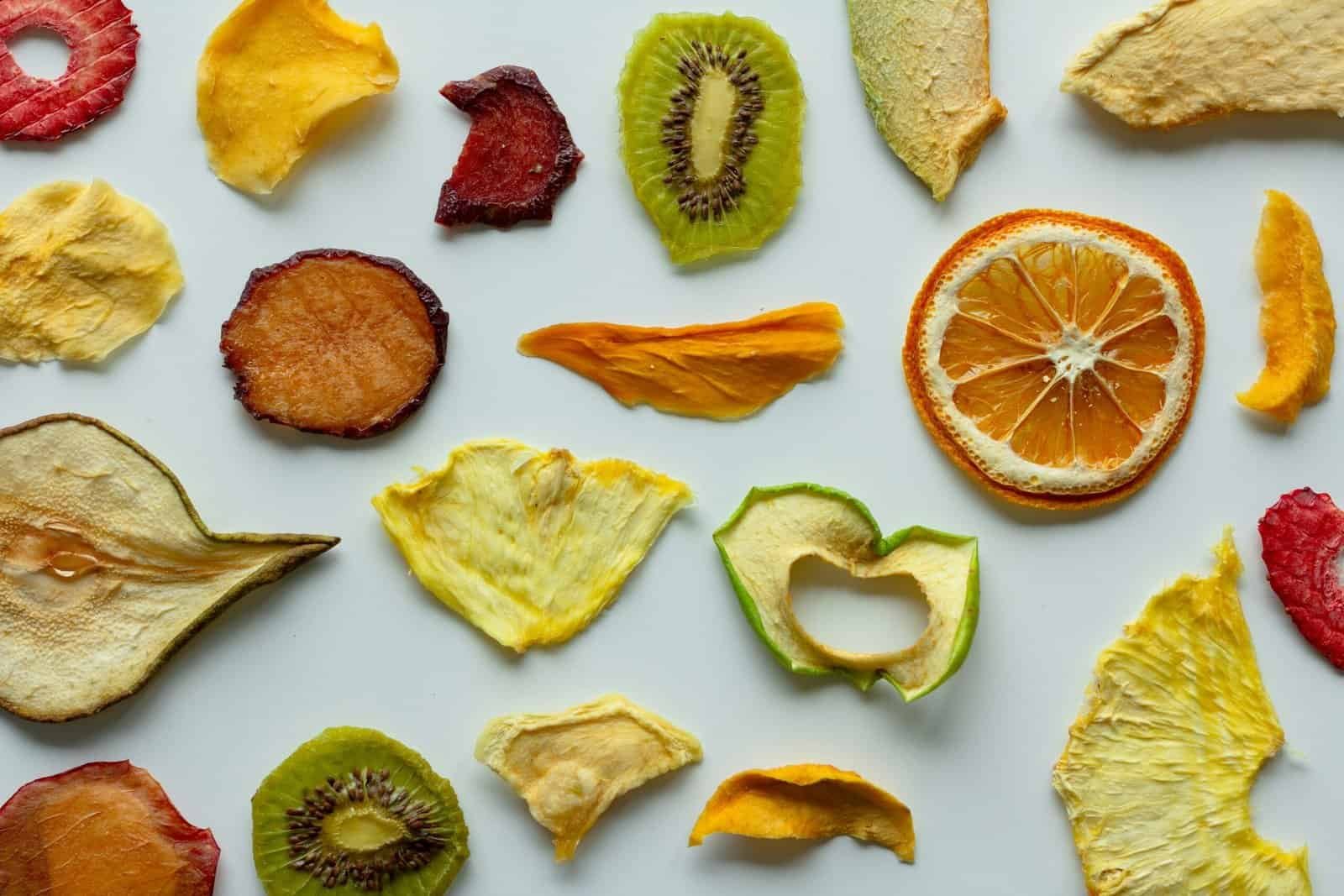
The best food dehydrators turn ten dollars of fruit into a week of snacks, or a garden glut of tomatoes into something that keeps for months. They manage it with even airflow and steady low heat, so food dries all the way through instead of cooking crisp on the outside while staying wet in the middle. The Cosori Premium suits the most kitchens. Making jerky in bulk, or drying on a tight budget? A couple of the picks below fit better.
Quick verdict: The Cosori Premium is the dehydrator to reach for if you want one machine that handles fruit, jerky, and herbs without babysitting. It dries evenly across stainless trays, runs quietly enough to leave overnight, and the timer shuts it off on its own. For big jerky runs, the horizontal-airflow Excalibur earns its counter space; for a first dehydrator on the cheap, the Hamilton Beach; for capacity you can grow into, the stackable Nesco. Getting good use from one means knowing keeping a dehydrator clean.
| If you want to | Best pick | Why |
|---|---|---|
| Dry a bit of everything | Cosori Premium | Even drying, quiet, easy controls |
| Make jerky in volume | Excalibur 3926TB | Rear fan dries large loads uniformly |
| Spend as little as possible | Hamilton Beach | Cheapest way to try the hobby |
| Add trays over time | Nesco Snackmaster Pro | Stack more trays as you need them |
| Dry big batches at once | Magic Mill Pro | Lots of tray area for the price |
Disclosure: SmartLifeItems is reader-supported. As an Amazon Associate, we earn from qualifying purchases made through links on this page, at no extra cost to you.
How We Picked the Best Food Dehydrators
Even drying did the most to separate good machines from frustrating ones. A dehydrator that runs hotter near the heating element leaves you rotating trays every hour, so we favored designs that move air evenly past every shelf. Temperature control mattered next, since jerky, fruit leather, and herbs each want a different setting, and the United States Department of Agriculture recommends drying meat at a temperature high enough to keep it safe. After that we looked at capacity and noise, because a dehydrator runs for hours and often overnight. The picks span a cheap starter tray stack up to a horizontal workhorse built for repeat batches.
Cosori Premium Stainless Steel Dehydrator
The Cosori Premium is the all-rounder, and it is where most home cooks should start. Six stainless trays slide into a front-loading door, a rear-mounted fan pushes air across the whole rack, and a digital panel lets you set a temperature and a shut-off time and walk away. It dries apple slices, banana chips, and herbs without the maddening hot-spot problem cheaper stackers have, and the stainless trays wipe clean instead of staining the way plastic ones do.
Why It Stands Out
The combination of even airflow, a real timer, and dishwasher-safe stainless trays makes this the lowest-fuss option here. You load it, set it, and come back to evenly dried food. The glass-style front door also lets you check progress without pulling trays and dumping heat.
Worth Knowing
It takes up more counter room than a round stacker, and the stainless trays add weight. For most kitchens that is a fair trade for drying that does not need constant tray rotation.
Excalibur 3926TB Nine-Tray Dehydrator
The Excalibur is the one to buy if you make jerky by the pound or put up large harvests. Its horizontal fan sits at the back and blows air forward across every tray at once, which is the layout that dries thick, heavy loads most evenly. Nine roomy trays give you space to spread a whole marinated flank steak or trays of tomatoes without crowding, and an adjustable thermostat plus a timer handle long runs.
Why It Stands Out
Rear-mounted horizontal airflow is the design serious dehydrating leans on, since it treats the top and bottom trays alike. The large flat trays suit jerky, fruit leather poured on liner sheets, and bulk produce far better than stacked round bowls.
Worth Knowing
It is a big box that lives on the counter or in a pantry, and it costs more than the stackers. If you only dry herbs now and then, it is more machine than you need.
Nesco Snackmaster Pro
The Nesco Snackmaster Pro is the expandable pick. It starts as a round stack of trays with the fan and heater in the lid, and you add trays as your batches grow. A patented airflow design pushes air down the outside and across each level rather than straight up the middle, which evens out the drying that plagues bargain stackers. An adjustable thermostat covers everything from herbs up to jerky.
Why It Stands Out
Few dehydrators let you grow capacity this cheaply. Buy the base unit, then add trays when a single tomato season overwhelms it. The top-mounted fan also keeps the footprint small.
Worth Knowing
Round trays waste a little space compared with flat rectangles, and very tall stacks dry a touch slower at the far end. Rotating once or twice fixes that.
Magic Mill Pro Food Dehydrator
The Magic Mill Pro gives you a lot of drying area for the money. It uses the same front-loading, stainless-tray, rear-fan layout as pricier machines, with a digital timer and temperature control, but lands at a friendlier price. For a household that wants to dry sizable batches without paying premium money, it hits a sweet spot between the budget stackers and the Excalibur.
Why It Stands Out
You get horizontal-style even drying and several roomy stainless trays at a mid-range price. It is the value buy for anyone who has outgrown a cheap stacker but does not need a professional box.
Worth Knowing
Build quality is good rather than heirloom, and the trays are a hair flimsier than the Cosori or Excalibur. At this price that is an easy compromise.
Hamilton Beach Five-Tray Dehydrator
The Hamilton Beach is the cheap way to find out whether dehydrating is for you. It is a simple stacker with a bottom-mounted fan, a basic temperature dial, and a handful of trays. It will not dry as evenly as the machines above, and it has no timer, but it makes perfectly good fruit chips, herbs, and starter jerky for a small fraction of their price.
Why It Stands Out
Nothing here costs less or asks less of you. For an occasional batch of apple rings or dried herbs, it does the job and stores away small.
Worth Knowing
Expect to rotate trays for even results, and plan to watch the clock since there is no auto shut-off. Heavy users tend to upgrade within a season.
Recommended read: Once your food is dry, how you store it decides how long it lasts. Pulling the air out keeps dried fruit and jerky fresh for months, so it is worth pairing a dehydrator with one of the best vacuum sealers for meal prep.
How to Choose a Food Dehydrator
The right dehydrator depends mostly on what you dry and how much of it. A few features separate a machine you will keep from one you will replace.
Airflow Layout
Horizontal designs put the fan at the back and blow air forward across every tray, which dries large or heavy loads most evenly. Vertical stackers put the fan in the lid or base and push air through the middle, which is fine for fruit and herbs but can dry unevenly on tall, packed loads.
Temperature Range and Control
Herbs want gentle heat, fruit wants a little more, and jerky needs a setting high enough to be safe. A machine with an adjustable, readable temperature setting handles all three. A single fixed setting limits you to one kind of food.
Trays and Capacity
Flat rectangular trays hold more usable space than round ones and suit jerky strips and liner-sheet fruit leather. Think about how much you will dry at once, and whether you want to add trays later.
Timer and Noise
A shut-off timer lets you start a batch and sleep or leave the house. Since a dehydrator runs for many hours, a quiet fan is worth more than it sounds on paper.
Horizontal vs Vertical Airflow
This is the choice that shapes your results more than brand names do.
When Horizontal Wins
If you make jerky, pour fruit leather, or dry big harvests, horizontal airflow dries the top and bottom trays alike and saves you from constant rotating. It is the layout built for volume and consistency.
When Vertical Is Plenty
If you mostly dry fruit slices and herbs in modest amounts, a good vertical stacker costs less, stores smaller, and dries those lighter foods well. Rotating trays once covers most of its weakness.
Common Dehydrating Mistakes
Most disappointing results trace back to a few habits, not the machine.
Cutting Pieces Unevenly
Thick and thin slices in the same batch finish at different times, leaving some pieces leathery and others still damp. Slicing to an even thickness is the single biggest fix, which is where a mandoline slicer earns its keep.
Overcrowding the Trays
Air has to move around each piece. Packing trays edge to edge blocks airflow and stretches drying time, so leave a little space between pieces.
Storing Before Fully Dry
Sealing food that still holds moisture invites mold. Let everything cool and check that it is dry to the touch, then move it into airtight pantry storage containers or vacuum bags.
Frequently Asked Questions
What is the best food dehydrator?
The Cosori Premium is the best all-around choice for most kitchens. It dries evenly on stainless trays, includes a real timer and temperature control, and runs quietly enough to leave overnight, which makes it a safe pick for fruit, jerky, and herbs alike.
Is horizontal or vertical airflow better?
Horizontal airflow dries large and heavy loads more evenly, so it is the better choice for jerky and big batches. Vertical stackers cost less and work well for fruit and herbs in smaller amounts. Match the layout to what you dry most.
What temperature should I use for jerky?
Jerky needs a higher setting than fruit to be safe to eat. Follow your dehydrator’s jerky guidance and current food-safety recommendations, and choose a machine with an adjustable thermostat so you can reach and hold that temperature.
How long does dried food last?
Properly dried fruit and jerky can keep for months when stored airtight and away from light and heat. Pulling the air out with a vacuum sealer extends shelf life further, and a cool, dark pantry helps the most.
Are dehydrators expensive to run?
They draw modest power and run at low heat, so a long batch costs little. The bigger cost is time, since drying takes hours, which is why a timer and even airflow matter for hands-off results.
Related Reading
Explore more: food dehydrators under 100.
Can you dehydrate food in an oven instead?
You can, by setting the oven to its lowest temperature and propping the door open for airflow, but it is slower, less even, and uses far more energy. A dedicated dehydrator holds low temperatures precisely and circulates air for consistent results.
What foods can you dehydrate?
A wide range: fruits, vegetables, herbs, jerky, fruit leathers, and even yogurt or dog treats. Foods with lower fat content dehydrate and store best, while very fatty foods can go rancid over time even when dried.
How long does it take to dehydrate food?
It varies by food and thickness, from about 4 to 6 hours for herbs and thin fruit slices to 8 to 12 hours or more for jerky and dense vegetables. Even slicing and not overcrowding the trays speed things up.
Do you need to blanch vegetables before dehydrating?
Many vegetables benefit from blanching first, which preserves color, texture, and nutrients and can shorten storage-related quality loss. Fruits generally do not need blanching, though a quick acid dip helps prevent browning in apples and similar produce.
Is a dehydrator or air fryer better for jerky?
A dehydrator is better for batches of jerky, holding a steady low temperature with even airflow across many trays. An air fryer can make small amounts but has limited capacity and less precise low-heat control for long drying.
Recommended Reading
See also our guides to food dehydrators.
More Kitchen Guides
Keep reading: the best food processors under 75, blender vs food processor.
