
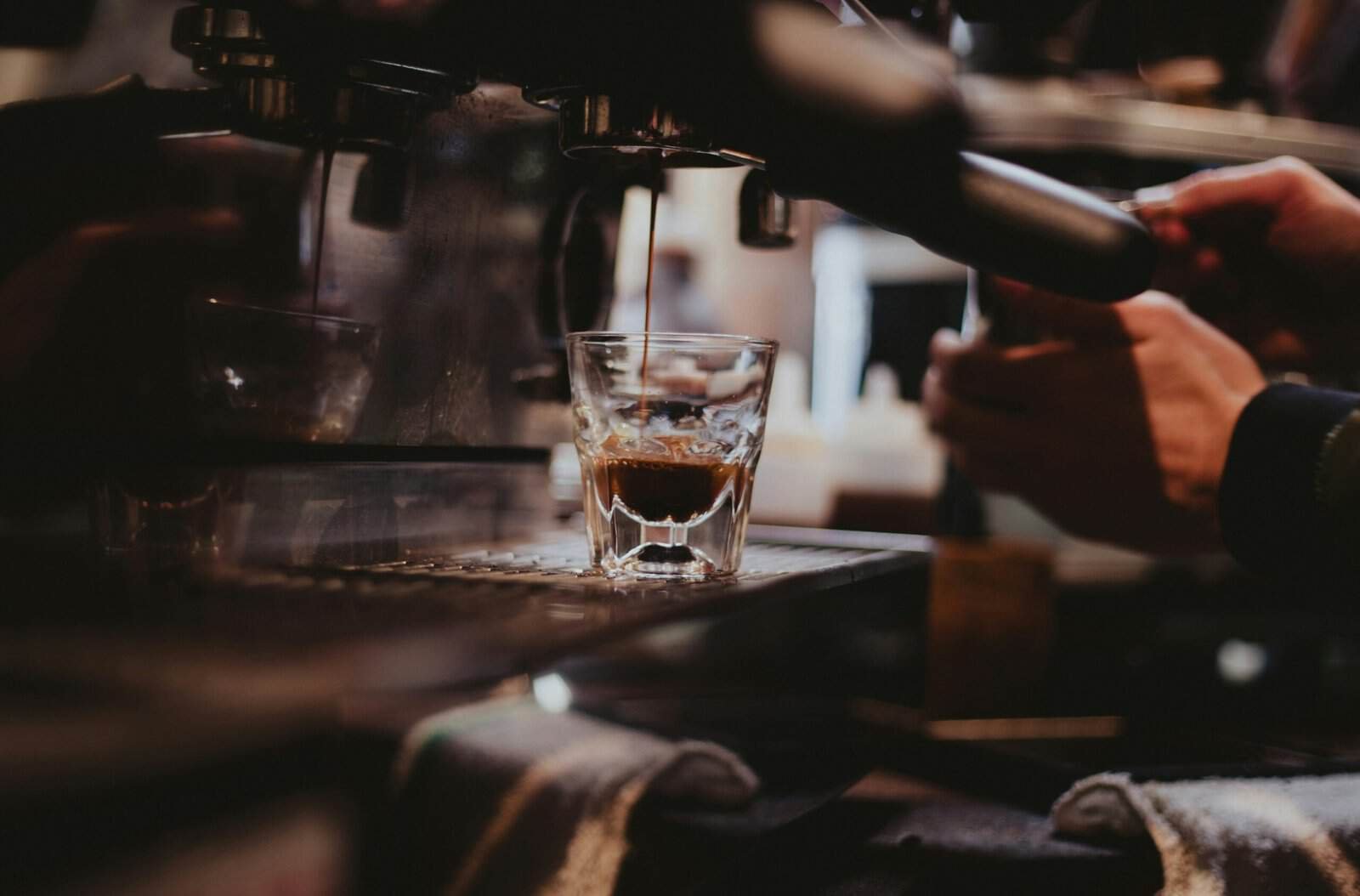
The usual assumption is that good espresso at home needs a thousand-dollar machine. Choosing an espresso machine actually comes down to matching the machine type to how hands-on you want to be, and plenty of capable models sit well under that price. The trick is paying for the features you will use and skipping the ones you will not. Comparing options? See our best super automatic espresso machines roundup.
Key takeaways
- Machine type is the biggest decision: semi-automatic, automatic, or capsule.
- You do not need the most expensive machine to make good espresso at home.
- A grinder matters as much as the machine, and many machines do not include one.
- A steam wand or frother is essential if you drink lattes and cappuccinos.
- Counter space and cleaning effort are easy to overlook until after you buy.
Espresso Machine Types
The type sets the whole experience, from how much you do by hand to how consistent each shot turns out. Start here, because it narrows the field faster than any other decision. Each type suits a different kind of drinker.
Semi-Automatic
You control when the shot starts and stops while the machine handles the pump pressure. This is the sweet spot for people who want to learn and dial in their coffee. It rewards a little practice with cafe-quality results and keeps you in the driver’s seat.
Automatic and Super-Automatic
Automatic machines time the shot for you, and super-automatics go further by grinding, dosing, and frothing at the push of a button. You trade hands-on control for consistency and speed. They cost more, but they make a reliable drink every morning with almost no skill required.
Capsule and Pod
Capsule machines swap control and cost-per-cup for sheer convenience and no mess. They suit people who want one-button espresso without learning a process or cleaning a portafilter. The ongoing price of pods adds up, so weigh that against the low entry cost.
The Features That Actually Matter
Past the machine type, a handful of features change the daily result. Focus on these instead of the spec sheet’s longest numbers. Two machines with the same pressure rating can pull very different shots.
The Grinder Question
Fresh, evenly ground coffee matters as much as the machine itself, and many espresso machines ship without a grinder. A built-in grinder on a super-automatic solves this, while a semi-automatic usually needs a separate burr grinder. Budget for grinding before you fall in love with a machine.
Milk Frothing
If you drink lattes or cappuccinos, you need a way to steam or froth milk. A manual steam wand gives better texture once you practice, while an automatic frother is simpler for beginners. A standalone milk frother covers you if a machine you love lacks one.
Pressure and Consistency
Espresso needs steady pressure to extract well, so look for a machine known for repeatable shots rather than the highest pressure number on the box. Stability beats a big headline figure every time. Reviews that mention shot-to-shot consistency tell you more than the marketing spec.
How Much Should You Spend
Budget tracks closely with machine type and how serious you are about the craft. Set your expectations before you shop so the upsells do not drift you upward. Most home drinkers are well served below premium prices.
Entry and Mid-Range
Capable semi-automatic and capsule machines cover the majority of home drinkers without a large outlay. Our best espresso machines under $500 roundup shows how much capability sits at this level. For many people, this is the smart place to stop.
When to Step Up
Spending more buys sturdier build, more consistent shots, and features like a dual boiler for back-to-back milk drinks. Pay for that only if you pull shots often and value the upgrade. A heavy machine that makes one latte a week is money parked on the counter.
Accessories You Will Actually Use
The machine is one part of the setup, and a few extras shape the result. Plan for these so the first week does not turn into a string of small purchases. None of them costs much next to the machine.
A Burr Grinder
A quality burr grinder produces the even, fine grind espresso depends on. If your machine does not grind, this is the first accessory to buy, not an afterthought. Pre-ground supermarket coffee rarely makes a satisfying shot.
Tamper and Scale
A solid tamper packs the grounds evenly so water flows through the puck the way it should. A small scale helps you keep your dose consistent from shot to shot. These cheap tools improve your coffee more than many pricey machine features.
Milk Pitcher
A stainless milk pitcher pairs with a steam wand for latte and cappuccino texture. The narrow spout gives you control when you pour. If you brew regular coffee too, our coffee maker guide covers that side of the kitchen.
Is an Espresso Machine Even Right for You
Before you commit, make sure espresso is what you actually want. The answer depends on how you drink coffee day to day. Some people are better served by a different brewer entirely.
Espresso vs Drip
Espresso is concentrated and forms the base for milk drinks, while drip makes a larger, milder cup. If you mainly drink big mugs of black coffee, a drip machine may suit you better. Our coffee maker vs espresso machine guide weighs the two head to head.
Capsule vs Full Machine
If convenience outranks everything, a capsule system may beat a full machine for your kitchen. You give up some control and pay more per cup, but you gain speed and simplicity. Our Keurig vs Nespresso comparison covers the popular pod options.
Match the Machine to Your Habits
The right machine depends on your patience, your drinks, and your budget. Use the table as a starting point, then read the matching type above. Be honest about how much fuss you actually enjoy.
| If you want | Best fit | Watch out for |
|---|---|---|
| To learn the craft and tweak shots | Semi-automatic plus burr grinder | A learning curve at first |
| Consistent drinks, minimal effort | Super-automatic | Higher upfront price |
| One-button coffee, no cleanup | Capsule machine | Ongoing pod cost |
| Lots of milk drinks back to back | Dual boiler, step-up tier | Overbuying for low use |
Recommended read: Ready to compare real models? Start with our best espresso machines under $500 and the Keurig vs Nespresso breakdown.
How Espresso Actually Gets Made
Espresso is not just strong coffee. It is the result of hot water forced through finely ground coffee under pressure, and that process explains every feature on the box. Understand it once and the buying choices fall into place.
Pressure and Extraction
A pump drives hot water through a tightly packed puck of grounds, pulling out oils and flavor in a short, concentrated shot. Steady pressure matters more than a high number, since uneven pressure pulls a sour or bitter result. This is why reviewers talk about shot consistency rather than peak pressure.
Why Grind Size Matters
The grind controls how fast water flows through the puck, so it shapes the whole shot. Too coarse and the water rushes through weak and sour; too fine and it crawls through bitter. A burr grinder lets you dial this in, which is why it sits alongside the machine in importance.
Keeping an Espresso Machine Clean
Espresso machines ask for more upkeep than a drip maker, and the coffee suffers fast when you skip it. The routine is short once it becomes habit. Build it in from day one.
Daily Cleaning
Rinse the portafilter and wipe the group head after use so old grounds and oils do not turn rancid. Purge the steam wand and wipe it down right after frothing milk, before residue dries on. These quick habits keep every shot tasting fresh.
Descaling and Water
Hard water leaves mineral scale inside the boiler and lines, which slows the machine and dulls the flavor over time. Descale on a schedule, and use filtered water to slow how fast scale forms. Softer water means less descaling and a longer machine life.
Reading the Spec Sheet
Espresso listings throw a lot of numbers at you, and most do not decide the cup. A few are worth checking, and the rest are noise. Here is what to actually read.
Pressure Ratings
Many machines advertise a high pressure figure, but espresso extracts well at a much lower working pressure than the headline number. Treat a big number as marketing, not a quality mark. What you want is a machine known for delivering steady pressure during the shot.
Boiler and Heat-Up
Single-boiler machines heat for either brewing or steaming, so you wait between pulling a shot and frothing milk. Dual-boiler and heat-exchange machines do both at once, which speeds up milk drinks for a busy household. If you make one latte at a time, a single boiler is fine and cheaper.
Water Tank and Size
A removable water tank is easier to fill and clean than a fixed one. Check the footprint and height against your counter and cabinets before buying. A machine that does not fit the space sours the daily ritual no matter how good the coffee.
Good Espresso at Home on a Budget
You can build a capable home setup without spending a fortune. The trick is to put money where it changes the cup and save it where it does not. A few priorities sort this out.
Spend on the Grinder
A solid burr grinder improves the shot more than an extra hundred dollars on the machine would. Pair an entry or mid-range machine with a good grinder and you get most of the quality for less. The grinder is the upgrade that keeps paying off.
Skip the Extras You Will Not Use
App control, large touchscreens, and built-in extras drive the price up for features a button already covers. A simpler machine with steady pressure and a decent steam wand serves most drinkers well. Put the savings toward fresh beans and a grinder instead.
Common Espresso Machine Mistakes
Most home espresso disappointment traces back to a few avoidable choices. Watch for these as you shop and set up.
Buying the machine and forgetting the grinder ranks first. A great machine fed stale, uneven grounds makes a flat shot, so plan for a burr grinder from the start. The grinder is not optional kit.
Chasing the highest pressure number leads people to the wrong machine. Espresso wants steady, well-regulated pressure, not a record figure on the box. Read for shot consistency instead.
Overbuying for rare use parks money on the counter. A dual-boiler machine earns its keep for someone making several milk drinks a day, not for a weekend latte. Match the machine to your real frequency.
Skipping cleaning and descaling shortens a machine’s life and dulls the coffee. Espresso machines need the portafilter and group head cleaned regularly, plus periodic descaling, since hard water leaves mineral buildup inside. Build the habit early. Machines do fail, and our note on what usually stops one working covers the common causes.
Ignoring counter space and noise leads to buyer’s remorse. A tall machine that does not fit under a cabinet, or a grinder that wakes the house, sours the daily ritual. Measure the space before you order.
Frequently Asked Questions
How do I choose an espresso machine?
Decide how hands-on you want to be, since machine type drives everything else. Semi-automatics give control, automatics simplify the process, and capsules trade control for convenience. Then weigh the grinder, milk frothing, size, and budget against how you actually drink coffee.
Do I need an expensive espresso machine for good espresso?
No. Capable semi-automatic and capsule machines make good espresso well under premium prices. Spending more buys sturdier build and consistency, but the machine type, a decent grinder, and your technique matter more than the price tag.
What is the difference between semi-automatic and super-automatic?
Semi-automatic machines let you control shot timing for hands-on results, while super-automatics grind, dose, and froth at the push of a button. Semi-automatics reward practice; super-automatics trade that control for consistency and speed.
Do I need a separate grinder for an espresso machine?
Often yes, since many machines do not include one and fresh grounds matter a lot for espresso. Budget for a quality burr grinder, or choose a super-automatic that grinds built-in.
How do I make lattes at home?
You need a way to steam or froth milk, either a steam wand on the machine or a separate frother. A manual wand gives better texture with practice, while an automatic frother is easier for beginners.
How much maintenance does an espresso machine need?
Plan on cleaning the portafilter and group head regularly, plus periodic descaling, especially in hard-water areas. Simpler machines need less upkeep, so factor maintenance into your choice before buying a complex model.
Is espresso stronger than regular coffee?
Espresso is more concentrated per ounce, so a small shot packs intense flavor and caffeine into a little liquid. A full mug of drip coffee can still hold more total caffeine, since you drink far more of it. Strength depends on serving size, not just the brewing method.
Where can I learn more about espresso and brewing?
The Specialty Coffee Association publishes brewing and water standards that explain extraction and grind. For maintenance, the USGS water hardness guide covers the minerals that scale a machine.
Related Reading
Explore more: bread machine, bread machine vs stand mixer, espresso tampers, espresso knock boxes, semi vs super automatic espresso, super automatic espresso machine roi analysis, choose electric kettle, and Super-Automatic Espresso Machines for Café Drinks at Home in. Also explore: quiet blenders for early mornings.
Recommended Reading
See also our guides to espresso knock boxes, and super automatic espresso machine roi analysis.
