
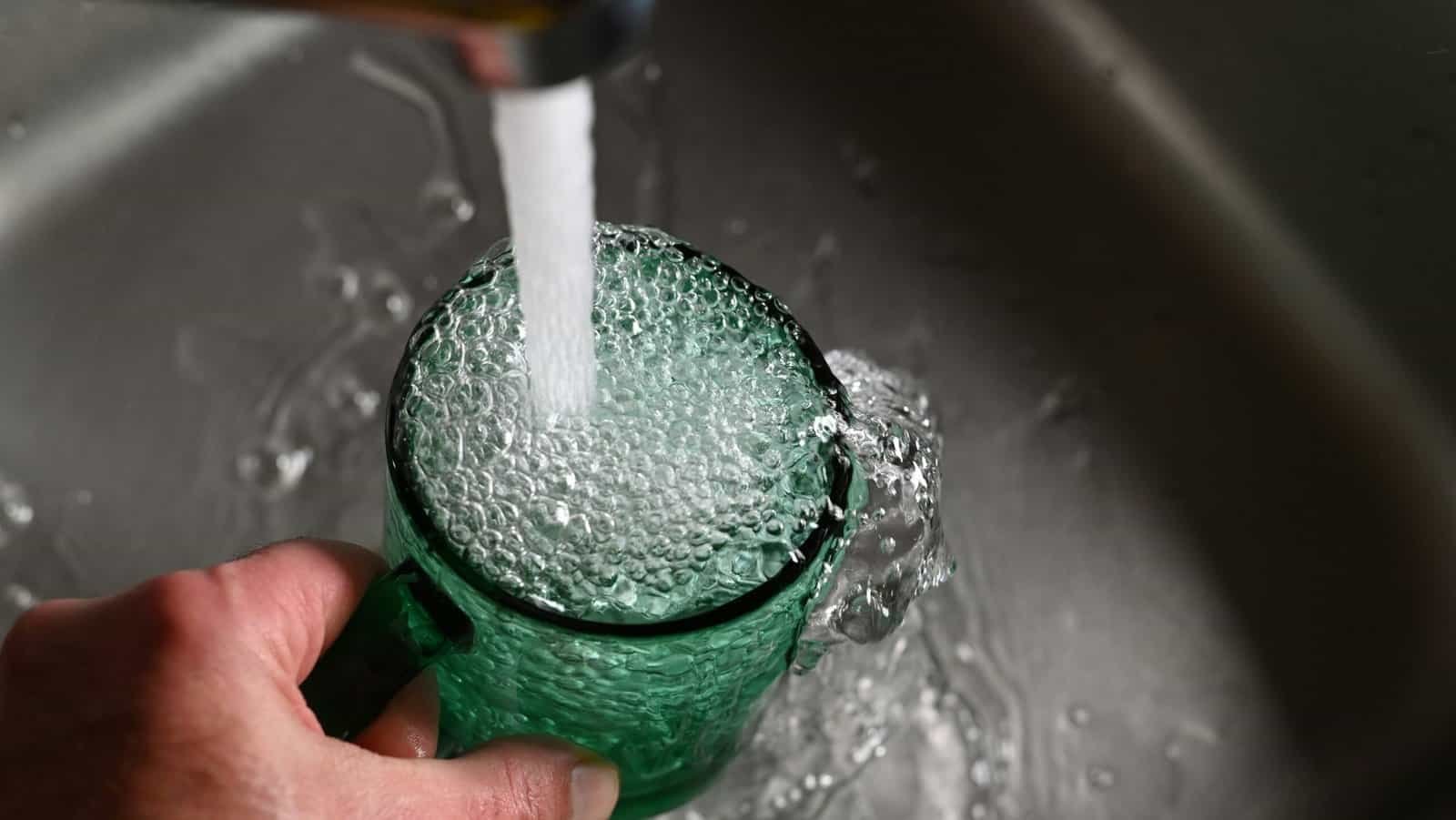
You stand in the store aisle facing twenty filters that all promise clean water. To choose a water filter, start with what is actually in your tap water, then match a filter type to those specific contaminants and your budget. The right pick comes down to your water report, the space you have, and how much you want to spend per gallon. If you’re shopping, start with our guide to the best water filter pitchers.
Key takeaways:
- Test your water or read your local report before buying anything.
- Match the filter type to the contaminants you actually have.
- Pitchers and faucet filters suit taste; reverse osmosis suits deep purification.
- Look for independent certification, not just marketing claims.
- Factor in replacement filter cost, not just the upfront price.
Start With What Is in Your Water
Every good filter decision starts with knowing your water. If you are on a public system, your utility publishes an annual water quality report that lists what it tests for. Well owners need their own test, since no utility monitors a private well.
That report tells you whether you are dealing with hardness, chlorine taste, lead, or something else. A filter built for taste will not remove lead, and a system built for lead is overkill if you only dislike the chlorine smell.
Knowing the problem keeps you from overbuying or underbuying. It also gives you the vocabulary to read product claims critically instead of trusting the loudest label.
You can also run an inexpensive home test kit for a quick read on hardness and common contaminants. Pair that with the utility report for a fuller picture. The goal is a short list of what you actually need to remove.
Write that short list down before you shop. It turns a wall of options into a simple checklist of must-have certifications. Everything that does not match the list is noise.
How to Choose a Water Filter for Your Home
Once you know your water, the decision narrows fast. Work through four questions in order: what am I removing, how much filtered water do I need, where will it live, and what can I spend over a year. Each answer rules out whole categories of filters.
Answering them in order also prevents a common trap. People often start by picking a brand they saw advertised, then work backward to justify it. Start from your water instead, and the brand sorts itself out.
If you only want better-tasting drinking water, a pitcher or faucet filter handles it. If you are worried about a specific contaminant like lead, you need a filter certified for that exact job. If you want the broadest purification, reverse osmosis covers the most ground.
Volume matters too. A single person drinking a few glasses a day is served by a pitcher, while a family cooking and drinking all day leans toward a plumbed or countertop system. Our guide to the best countertop water filters breaks down those higher-volume options.
Filter Types Explained
The market sorts into a handful of types, each with a clear use case. Here is how they differ in practice.
Pitcher and Dispenser Filters
These pour water through a carbon filter into a jug you keep in the fridge. They are cheap, need no install, and improve taste and odor.
The trade-off is small batches and frequent filter swaps. Compare specific models in our water filter pitcher guide.
Faucet-Mounted Filters
These screw onto your tap and filter on demand with a switch for filtered or unfiltered flow. They suit renters and people who want filtered water without a jug. They can slow water flow and do not fit every faucet.
Countertop Filters
These sit on the counter and connect to the faucet or work by gravity. They handle more volume than a pitcher without permanent plumbing. They take counter space, which matters in a small kitchen.
Reverse Osmosis Systems
Reverse osmosis pushes water through a fine membrane that removes a wide range of contaminants. It offers the deepest purification for home use. The costs are some wastewater, a larger unit, and pricier filters.
How Water Filters Actually Work
Understanding the mechanism helps you trust the right filter for the job. Most home filters rely on one of three methods, and each removes different things.
Carbon Adsorption
Activated carbon works like a sponge with an enormous internal surface area. As water passes through, chlorine, some organic compounds, and odors stick to the carbon. This is why carbon filters fix taste and smell so well, and why they do little for dissolved metals like a heavy lead load unless paired with a special media.
Reverse Osmosis Membranes
A reverse osmosis membrane has pores so fine that water molecules pass while most dissolved solids cannot. The rejected contaminants flush away with a small stream of wastewater. That fine filtering is what gives reverse osmosis its broad reach, and why it runs slower and needs a storage tank.
Ion Exchange and Specialty Media
Some filters add media that swap out specific ions, such as lead or certain metals. These target contaminants carbon alone struggles with. Many quality pitchers and under-sink units combine carbon with one of these media to cover more ground.
Recommended read: Filtered water makes everything taste better. See our guides to electric kettles and cold brew coffee makers.
Match the Filter to Your Water Problem
The cleanest way to choose is to map your top problem to a filter that solves it. A few common cases make this concrete.
If your water just tastes or smells of chlorine, a carbon pitcher or faucet filter fixes it cheaply. If your report flags lead, choose a pitcher, faucet, or under-sink unit specifically certified for lead reduction. If you face many concerns at once or simply want the broadest coverage, reverse osmosis is the safer call.
Hard water is a separate issue, since most drinking filters do not soften water. Scale and spotting usually call for a water softener rather than a taste filter. Knowing this saves you from buying a pitcher and expecting softer water.
Chlorine Taste and Odor
This is the most common complaint on city water and the easiest to solve. A basic carbon pitcher or faucet filter handles it for very little money. You do not need anything more elaborate for taste alone.
Lead
Lead usually enters through old pipes rather than the source water. Only a filter certified for lead reduction should be trusted here, whether a pitcher, faucet, or under-sink unit. Verify the certification covers lead specifically before relying on it.
Sediment and Cloudiness
Grit, rust flakes, and cloudiness call for a sediment filter, often as a first stage. Clearing sediment also protects finer filters downstream from clogging early. Well users see this more often than city users.
A multi-stage system that starts with sediment and follows with carbon covers most well water complaints at once. Stack the stages to match what your test found.
Certifications That Actually Mean Something
Marketing claims are easy to print, so lean on independent certification instead. Look for a mark from a recognized testing body that certifies the filter for the specific contaminants you care about. A filter certified to reduce lead has been tested to do exactly that.
Check the claim, not just the logo. A certification for chlorine taste and odor is not the same as one for lead or cysts. Read which standard and which contaminants the certification covers before you buy.
If a product lists no certification at all, treat its claims with caution. The certification is your proof the filter does what the box says. It is the single most useful thing to verify.
Certification also signals the maker submitted the product for independent testing at all. Brands confident in their filters tend to certify them. A page of vague promises with no standard listed tells you to keep looking.
Cost Beyond the Sticker Price
The cheapest filter on the shelf is rarely the cheapest to own. Replacement cartridges are the real ongoing cost, and they vary widely between systems. A low-priced unit with expensive, short-lived filters can cost more over a year than a pricier system with long-life cartridges.
Work out the cost per gallon before deciding. Divide the filter price by the gallons it treats, then multiply by your household use. That number, not the upfront price, tells you the true cost.
A worked example makes this clear. A cheap pitcher with cartridges that treat few gallons and cost several dollars each can easily beat a pricier countertop unit on cost per gallon for a busy family. Run your own numbers against your real usage.
Also factor how often you will actually change the filter. A system you neglect filters poorly and can harbor buildup. Pick something whose schedule you can realistically keep.
Where the Filter Goes in Your Kitchen
Space and install effort shape the choice as much as performance. A pitcher needs only fridge room, while a countertop unit claims counter space near the sink. Under-sink and reverse osmosis systems hide away but need a compatible faucet or a small install.
Renters usually want no-install options like pitchers, faucet mounts, or countertop units. Homeowners can consider plumbed systems for a cleaner look. Measure your space and check your faucet before committing to anything that attaches.
Think about your whole kitchen workflow too. Filtered water feeds your kettle, coffee, and even a countertop ice maker, so placement near those tools helps. A filter that is awkward to reach gets used less.
Filtered Water Is Not Just for Drinking
Once you have clean water on tap, it improves more than a glass to drink. Coffee and tea taste noticeably better without chlorine, since the water is most of the cup. Ice comes out clearer, and recipes that call for a lot of water benefit too.
This is worth weighing when you size a system. If you cook often or brew a lot of coffee, a higher-volume countertop or under-sink filter pays off over a pitcher. A pitcher that runs dry by mid-morning will frustrate a heavy user.
Keeping the system clean matters as much as choosing it. Wipe housings and reservoirs during a regular kitchen deep clean so nothing grows where your drinking water sits. A neglected filter housing undoes the work the filter does.
Common Water Filter Mistakes to Avoid
A few errors lead to wasted money or false confidence. Watch for these.
Buying Before Testing
Choosing a filter without knowing your water often targets the wrong problem. Read your report or run a test first, then buy.
Confusing Taste Filters With Purifiers
A carbon pitcher improves taste but does not remove every contaminant. Match the filter’s certified claims to your actual concern.
Ignoring Replacement Schedules
A filter past its life cleans poorly and can hold buildup. Track the schedule and change cartridges on time.
Expecting a Filter to Soften Water
Most drinking filters do not address hardness or scale. Hard water usually needs a softener, not a taste filter.
Skipping Faucet Compatibility
Faucet and some countertop units need the right adapter to attach. Check your faucet style before buying a connected system.
Frequently Asked Questions
How do I know which water filter I need?
Start with your local water quality report or a home test to learn what is in your water. Match a filter certified for those specific contaminants. The problem you have decides the filter you buy.
Do water filters remove lead?
Only filters specifically certified for lead reduction remove it reliably. A basic taste filter does not. Check the certification for lead before relying on any filter for it.
Is reverse osmosis better than a regular filter?
Reverse osmosis removes the widest range of contaminants, so it purifies more deeply. A carbon filter is simpler and cheaper if you only want better taste. Choose based on your water and your goals.
How often should I change a water filter?
It depends on the system and your usage, with each maker listing a schedule or gallon rating. A filter past its life cleans poorly. Track the schedule and replace it on time.
Do water filters soften hard water?
Most drinking filters do not soften water or remove scale. Hard water usually calls for a water softener. A taste filter will not stop spotting or buildup.
Are filter pitchers good enough?
For improving taste and odor on city water, a pitcher is often plenty. For lead or broad purification, you need a certified or reverse osmosis system. Match the tool to your concern.
Can I install a water filter myself?
Pitchers, faucet mounts, and countertop units need no real installation. Under-sink and reverse osmosis systems involve a small install or a compatible faucet. Renters usually stick to no-install options.
Under-sink and reverse osmosis units do involve a little plumbing, but many are renter-friendly with the right adapter. Read the install requirements before assuming a system is off-limits. Some attach to the cold line without permanent changes.
Where can I learn more about drinking water quality?
The EPA and NSF publish guidance on drinking water and filter certification.
Related Reading
Explore more: why salt pasta water, choose electric kettle, and smart water leak detectors. Also explore: humidifiers.
Recommended Reading
See also our guides to smart water leak detectors, and why salt pasta water.
