
For the foundational guidance behind these picks, see the foundational guide to building a cast iron kitchen.
A cast iron skillet is the rare pan that gets better the more you use it, searing steaks, baking cornbread, and lasting long enough to outlive the stove it sits on. The best cast iron skillet for you comes down to a few real choices: bare or enameled, standard or lightweight, and the size that fits your cooking. I keep a cast iron skillet as an everyday workhorse and maintain it with the simple standard care, and it has stayed in good, usable shape for it. This guide sorts skillets by type so you can match one to how you cook, and once it arrives our guide to seasoning a cast iron skillet gets it ready.
Quick Verdict
For most kitchens, a pre-seasoned classic skillet around 10 to 12 inches is the do-everything pick: cheap, tough, and ready to cook. Choose a lightweight, smooth-milled skillet if the usual heft bothers you, enameled cast iron if you want no seasoning and acid-friendly cooking, a budget skillet to try cast iron cheaply, and a large skillet for family-size batches. Care is the same across all of them. Once you have one, see what to cook in a cast iron skillet.
Why Trust This Guide
Picks are independent and reader-supported through affiliate links at no cost to you. The skillet featured first is the one I actually use, so those notes are my genuine experience, while the other types are grouped from product research so you can match one to your kitchen. No brand is named where I cannot confirm it, and nothing is described as tried that was not.
Key Takeaways
- a flat griddle for bigger batches
- A pre-seasoned classic skillet is the versatile, affordable choice for most cooks.
- Enameled cast iron skips seasoning and handles acidic foods, but costs more and can chip.
- Lightweight, smooth-milled skillets ease the main complaint about cast iron: the weight.
- Size matters more than brand; a 10 to 12 inch pan suits most everyday cooking.
- Care is identical across bare skillets: clean while warm, dry fully, and oil lightly.
How We Picked the Best Cast Iron Skillets
Cast iron is simple, so the choices that matter are practical ones: a smooth, even cooking surface, a size that fits your cooking, a handle you can manage when the pan is full and hot, and whether you want bare iron you season or enamel you do not. Those are the factors weighed here, grouped by type rather than ranked, since the right skillet depends on your kitchen. Good habits carry across every pan, and knowing how to clean cast iron keeps whichever you choose in shape for decades.
1. The Cast Iron Skillet I Use (My Pick)
Why It Stands Out
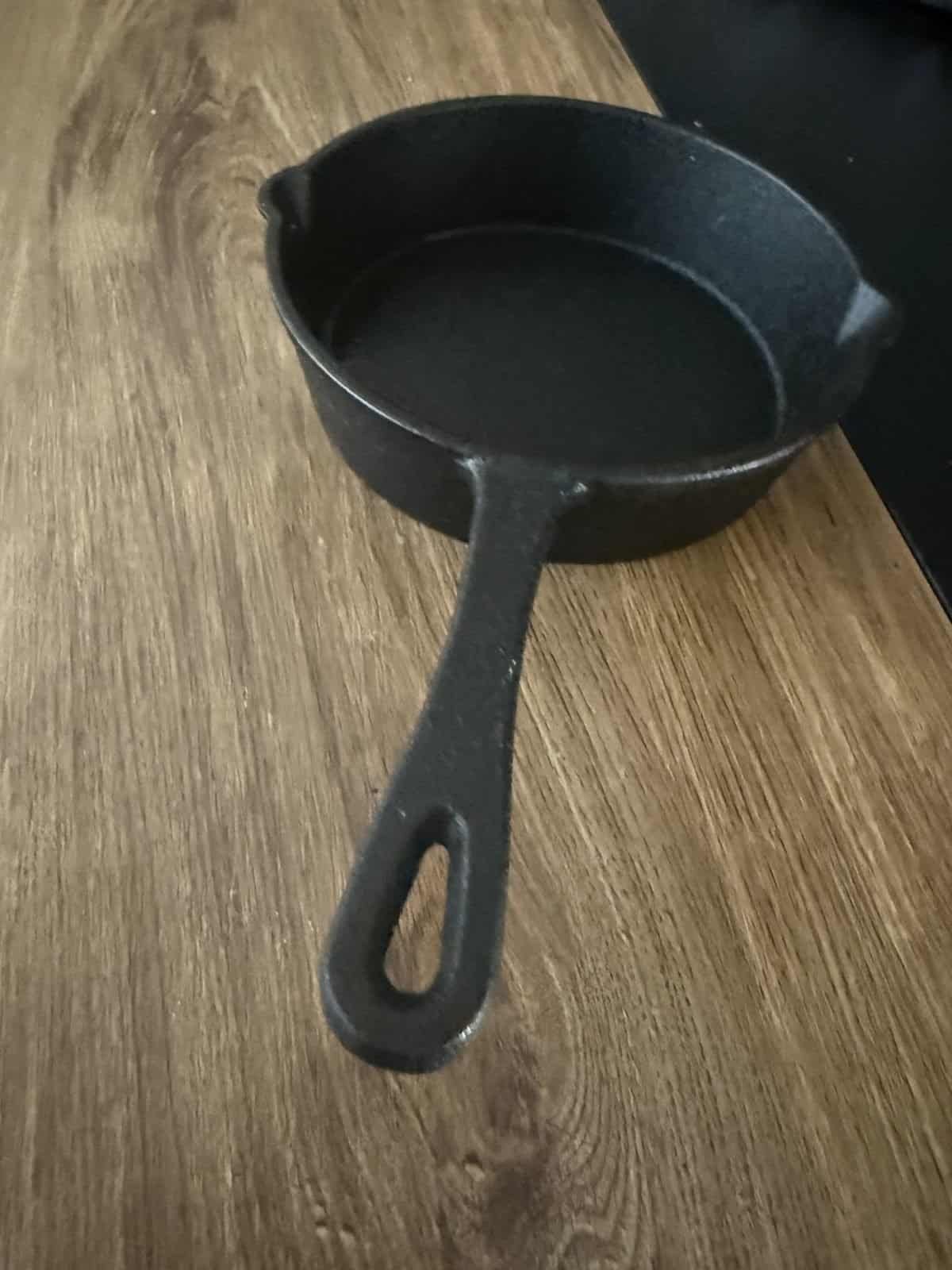
The cast iron skillet I use has earned its place as the everyday pan I reach for most. It sears, fries, and bakes the way cast iron is meant to, holding heat evenly and giving a genuine crust that a lightweight pan cannot. What matters most in daily life is that it is easy to live with: I maintain it with the standard routine, cleaning it while warm, drying it fully, and rubbing in a thin coat of oil, and it has stayed in good, usable shape without any fuss. It is the kind of pan you buy once and keep. A mesh splatter screen keeps fat in the pan while letting steam escape, which matters when searing.
Worth Knowing
Like all bare cast iron, it wants prompt drying rather than soaking, and it is heavier than nonstick, which is simply part of the trade for the sear and longevity. The handle gets hot, so keep a mitt nearby.
Who it is for: anyone who wants one durable, do-everything pan and does not mind simple upkeep. Who should skip it: cooks set on the lightest possible pan or zero maintenance.
2. Pre-Seasoned Classic Skillet (Best Overall)
Why It Stands Out
A pre-seasoned classic skillet is the sensible default for most kitchens: affordable, nearly indestructible, and ready to cook out of the box thanks to a factory seasoning layer. In the common 10 to 12 inch size it handles almost everything, from eggs to a whole roast chicken, and the seasoning only improves with use. For a first cast iron pan, this is the one to buy.
Worth Knowing
Factory seasoning is a starting point that deepens as you cook, so give it a light oiling after each wash. The cast surface is slightly textured rather than mirror-smooth, which most cooks never notice once it is seasoned.
Who it is for: most cooks wanting one versatile, budget-friendly workhorse. Who should skip it: those who specifically want a polished surface or enamel.
3. Lightweight, Smooth-Milled Skillet (Easiest to Handle)
Why It Stands Out
A lightweight cast iron skillet is machined thinner and often milled smooth, cutting the weight that is the biggest complaint about traditional cast iron. The polished surface releases food well from the start and the reduced heft makes the pan far easier to lift, tilt, and maneuver. For anyone who loves cast iron cooking but finds a standard pan a handful, this is the upgrade. If weight is the sticking point, our roundup of lightweight cast iron skillets covers the thinner options in depth.
Worth Knowing
The lighter build and finer finish usually cost more than a classic skillet. Thinner iron holds a touch less heat than a heavy pan, though the difference is small in everyday cooking.
Who it is for: cooks who want cast iron performance with less weight and a smooth surface. Who should skip it: anyone prioritizing lowest price or maximum heat mass.
4. Enameled Cast Iron Skillet (No Seasoning Needed)
Why It Stands Out
An enameled cast iron skillet wraps the iron in a glassy, colorful coating that needs no seasoning, wipes clean easily, and handles acidic foods like tomato sauce that bare cast iron can react with. You get the heat retention and even cooking of cast iron without the upkeep, plus a finish that goes from stove to table looking sharp. For low-maintenance cast iron, this is the pick. For more on this, see our guide to cast iron cleaning tools.
Worth Knowing
Enamel can chip if dropped or overheated dry, so treat it gently and skip metal utensils that scratch. It also costs more than bare cast iron and does not build a natural nonstick layer the way seasoning does.
Who it is for: cooks who want easy care, color, and acid-friendly cooking. Who should skip it: traditionalists who prefer bare, seasoned iron or the lowest price.
5. Budget Cast Iron Skillet (Best Value)
Why It Stands Out
A budget cast iron skillet proves you do not need to spend much to get the core benefits, delivering the same searing, heat retention, and durability as pricier pans for very little money. It is the easiest way to try cast iron without commitment, and it performs the same everyday jobs once seasoned. For value or a second pan, it is hard to beat.
Worth Knowing
The cheapest pans can have a rougher casting or slightly less refined handle, though seasoning smooths the surface over time. Check that it arrives pre-seasoned so it is ready to use.
Who it is for: first-time buyers and anyone wanting cast iron cheaply. Who should skip it: those who want a polished surface or premium handle.
6. Large Cast Iron Skillet (Best for Big Batches)
Why It Stands Out
A large cast iron skillet, in the 12 inch and up range, gives you the room to cook for a family or entertain, searing several portions at once or baking a big skillet meal. The extra surface means food is not crowded, which is the difference between browning and steaming. For households that cook in volume, the capacity earns its keep.
You can compare an indoor grill against cast iron for steak before deciding.
Worth Knowing
A big skillet is heavy, especially full, so a helper handle opposite the main one is worth looking for. Make sure it fits your burner and oven before buying.
Who it is for: families and anyone cooking large portions or entertaining. Who should skip it: solo cooks or small kitchens where a 10 inch pan is plenty.
Cast Iron Skillets at a Glance
| Type | Best for | Standout | Watch-out |
|---|---|---|---|
| Everyday workhorse | One do-it-all pan | Sear, fry, bake, lasts | Heavy, needs upkeep |
| Pre-seasoned classic | Most cooks | Cheap, ready to use | Slightly textured surface |
| Lightweight, smooth | Handling ease | Less weight, polished | Costs more |
| Enameled | Low maintenance | No seasoning, acid-friendly | Can chip, pricier |
| Budget | Value, first pan | Same core performance | Rougher finish |
| Large | Batches, family | Room to brown | Heavy, needs space |
How to Choose a Cast Iron Skillet
Bare or enameled
Bare cast iron builds seasoning, costs less, and takes high heat, but needs the dry-and-oil routine. Enameled needs no seasoning, wipes clean, and handles acidic foods, but costs more and can chip. Your tolerance for upkeep decides this more than anything.
Size for your cooking
A 10 to 12 inch skillet suits most everyday cooking, while 12 inches and up serves families and batches. Smaller pans handle single servings, which is where our mini cast iron skillets guide comes in. Match the pan to your typical meal and your burner.
Weight and handle
Standard cast iron is heavy, so if that is a concern, look at lightweight, smooth-milled pans, and favor any skillet with a helper handle for lifting when full. A comfortable handle you can grip with a mitt matters every time you cook.
Surface finish
Classic pans have a slightly textured cast surface that seasons up nicely, while premium pans are milled smooth for immediate release. Both cook well once seasoned, so this is about preference and budget, not performance, and it is part of why cast iron lasts for generations.
Caring for Your Cast Iron Skillet
Everyday cleaning and seasoning
Care is the same for any bare cast iron and takes almost no effort: clean the pan while warm, dry it completely, and rub in a thin coat of oil before storing. That routine keeps the seasoning slick and rust away, and it is exactly what has kept my own skillet in good shape. The full steps live in our guide to storing cast iron, which follows the same clean-warm, dry-fully, oil-lightly approach.
Comparing materials
If you are weighing cast iron against similar pans, carbon steel offers a lighter, similarly seasonable option worth a look. Our comparison of cast iron vs carbon steel breaks down where each one wins.
Common Cast Iron Skillet Mistakes to Avoid
Buying only on brand or price
The size and type matter more than the name on the pan. Pick the format that fits your cooking, and a modest skillet will serve you for decades.
Getting a pan too big or too small
An oversized skillet is heavy and awkward, while a tiny one crowds food. Match the diameter to your usual portions and your burner.
Skipping the care routine
Leaving cast iron wet or soaking invites rust and ruins seasoning. Clean it while warm, dry it fully, and oil it lightly every time.
Expecting nonstick right away
Seasoning builds with use, so a new pan is not as slick as a mature one. Cook with it, maintain it, and the surface improves month after month.
Recommended Reading
- Dutch oven vs cast iron skillet, if you want a deeper pot too.
- Carbon steel pans, a lighter seasonable alternative.
- Choosing cookware, to round out your kitchen.
- keeping the seasoning up
- pans made for pizza
Cast Iron Skillet FAQ
What size cast iron skillet should I buy?
A 10 to 12 inch skillet is the versatile sweet spot for most cooks, big enough for a family dinner yet manageable day to day. Go larger, 12 inches and up, if you regularly cook for a crowd, or smaller for single servings. Match the size to your usual portions and your burner.
Is enameled or bare cast iron better?
Bare cast iron builds a natural nonstick seasoning, costs less, and takes very high heat, but needs dry-and-oil care. Enameled needs no seasoning, wipes clean, and handles acidic foods, but costs more and can chip. Choose bare for value and tradition, enameled for low-maintenance convenience.
Are expensive cast iron skillets worth it?
Premium pans offer smoother milled surfaces, lighter weight, or refined handles, which some cooks value, but an inexpensive pre-seasoned skillet delivers the same core searing and durability. Spend up for handling comfort or a polished finish, not for better cooking, since a budget pan cooks beautifully once seasoned.
Do cast iron skillets come pre-seasoned?
Most bare cast iron skillets today arrive pre-seasoned and ready to cook, though the seasoning keeps improving with use. Enameled pans need no seasoning at all. Either way, give bare pans a light oiling after each wash to keep the layer building.
How do I care for a cast iron skillet?
Clean it while warm with hot water and a brush, dry it completely, and rub in a thin coat of oil before storing. A little mild soap is fine on a seasoned pan. Avoid soaking, the dishwasher, and air-drying, all of which invite rust.
Can you cook everything in a cast iron skillet?
Nearly. Cast iron excels at searing, frying, roasting, and baking, and moves from stovetop to oven with ease. The main caution is long-simmered acidic foods on bare iron, which can wear the seasoning, so reach for enameled cast iron for those dishes.
How long does a cast iron skillet last?
Effectively a lifetime and beyond. With basic care, cast iron does not wear out the way nonstick does, and pans are routinely handed down for generations. Even a rusty or neglected skillet can be scrubbed back and re-seasoned to like-new condition.
Is a lightweight cast iron skillet worth it?
If the weight of standard cast iron bothers you, yes. Lightweight, smooth-milled pans keep the searing and durability while being much easier to lift and maneuver, often with a polished surface that releases food well. You pay more, but for many cooks the comfort is worth it.
For the most common use, see cooking steak in one.
This is the archetype of pans that go stove to oven.
Once you have the pan, what to buy alongside it.
Maintenance decides how long a skillet lasts. choosing a cast iron scrubber covers the options.
Searing before slow cooking is worth knowing about. browning meat before slow cooking covers when it matters.
